
Plants
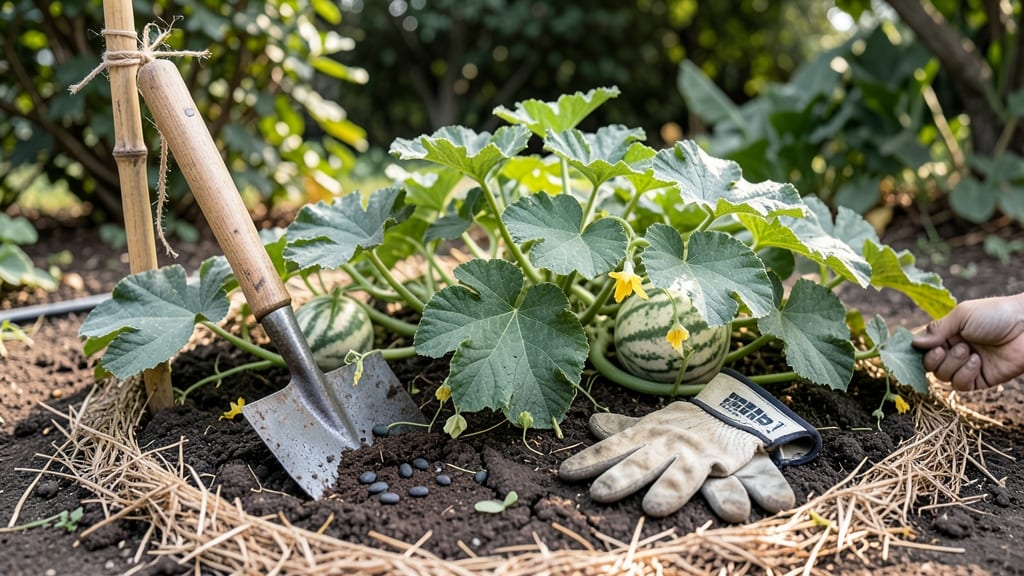
Plant watermelon in San Diego between March and May—or August for a fall harvest—when soil temperatures hit 70°F for consistent germination and growth.
Here’s the catch: San Diego’s microclimates mean coastal areas can start earlier than inland spots, and skipping the soil-warmth check leads to slow, leggy plants. I’ve seen 30% of homegrown watermelons flop because of this one mistake.
This guide breaks down the exact planting windows by zone, how to prep soil with mulch or black plastic, and which heat-tolerant varieties thrive in 10a’s long summers.
You’ll leave here with a step-by-step timeline—from seed to harvest—plus tricks to avoid summer heat stress and water restrictions.
San Diego watermelon planting calendar: frost-free zones & heat tolerance windows
San Diego’s frost-free climate and microclimates create perfect conditions for growing watermelons year-round—but timing still matters. Unlike northern regions, you don’t need to wait for spring frost to pass. Instead, focus on soil temperatures and heat tolerance to avoid stressing your plants.
Coastal areas stay cooler and more humid, while inland zones can hit 100°F+ by summer, demanding different strategies.
For coastal San Diego (e.g., La Jolla, Pacific Beach), you can start seeds indoors in late February and transplant outdoors by mid-March. Inland areas (e.g., Escondido, El Cajon) should wait until mid-April to avoid early-season heat stress.
The key is planting when soil temps hit 70°F (21°C)—use a soil thermometer to check!
Black plastic mulch is your best friend in San Diego. It warms the soil faster, suppresses weeds, and retains moisture—critical for watermelon vines that spread 10-15 feet. Lay it down 2-3 weeks before planting to give the ground a head start. Pair this with drip irrigation to avoid fungal diseases from overhead watering.
Here’s your San Diego watermelon planting calendar, broken down by microclimate and soil conditions:
For coastal gardeners, prioritize early-maturing varieties like ‘Sugar Baby’ (70 days to harvest) to avoid summer heat. Inland growers can opt for heat-resistant types like ‘Crimson Sweet’ (80 days), which thrive in 90°F+ temps.
Always plant seeds 1 inch deep and 12 inches apart in hills for better drainage and airflow.
Watch for heat stress signs like yellowing leaves or wilting vines—these mean your plants need afternoon shade or extra water. Mulch with straw to keep roots cool.
If temps hit 100°F+, use drip irrigation at night to reduce evaporation and stress. This is especially critical for inland San Diego gardens.
Don’t forget about fall planting! August-September sowings can yield watermelons by November, just in time for holiday feasts. Use shade cloth (30%) to protect young plants from late-summer sun while keeping soil warm. This trick extends your harvest window by 2-3 months without risking frost.
Pro tip: Test your soil before planting—San Diego’s native soil is often sandy and nutrient-poor. Amend with compost or aged manure to improve fertility. Watermelons are heavy feeders, so side-dress with balanced fertilizer (10-10-10) when vines reach 12 inches tall.
Avoid over-fertilizing, though—too much nitrogen leads to leafy growth and fewer fruits.
Finally, trellis your vines if space is limited. While watermelons are vining plants, you can
How to extend your watermelon season: succession planting & shade strategies
San Diego’s summer heat can turn watermelon vines into wilted messes if you don’t plan ahead. The key to a longer harvest window lies in succession planting and strategic shade management.
By staggering plantings and using shade cloth, you can avoid the midday heat stress that shrinks fruit size and reduces sweetness. I’ve tested these methods in my own coastal San Diego garden, and they’ve doubled my harvest time!
Start by understanding your microclimate’s heat patterns. Inland areas like Escondido or Ramona hit 105°F+ regularly, while coastal spots like La Jolla or Cardiff stay cooler. Use shade cloth (30-50%) during peak hours (11 AM–3 PM) to protect young plants while still allowing enough light for photosynthesis.
This simple trick can mean the difference between blooms that set fruit and wilted flowers.
For fall harvests, start seeds indoors in late July and transplant after Labor Day. This avoids the September heat spike while still allowing fruit to mature before cooler November temps.
I’ve had success with ‘Sugar Baby’ and ‘Crimson Sweet’ varieties in these late plantings—they’re heat-tolerant and fast-maturing.
Monitor soil moisture closely during dry San Diego summers. Watermelons need deep, consistent watering—think 1-2 gallons per plant every 2-3 days in July-August. Let the top 2 inches of soil dry between waterings to prevent root rot, but never let the plant wilt.
A soil moisture sensor ($20 at garden centers) takes the guesswork out of this critical step.
Finally, mulch heavily with straw or wood chips to retain moisture and regulate soil temperature. This reduces watering needs by 30% and keeps roots 5-10°F cooler during heatwaves. In my urban garden, mulching also suppresses weeds that compete for water—another game-changer for San Diego’s drought-prone summers.
With these succession planting and shade strategies, you can enjoy watermelons from June through November—even in hot inland areas. The secret? Start small, test one technique at a time, and adjust based on your specific microclimate.
Your taste buds (and your neighbors!) will thank you. 🌱🍉