
Flowers
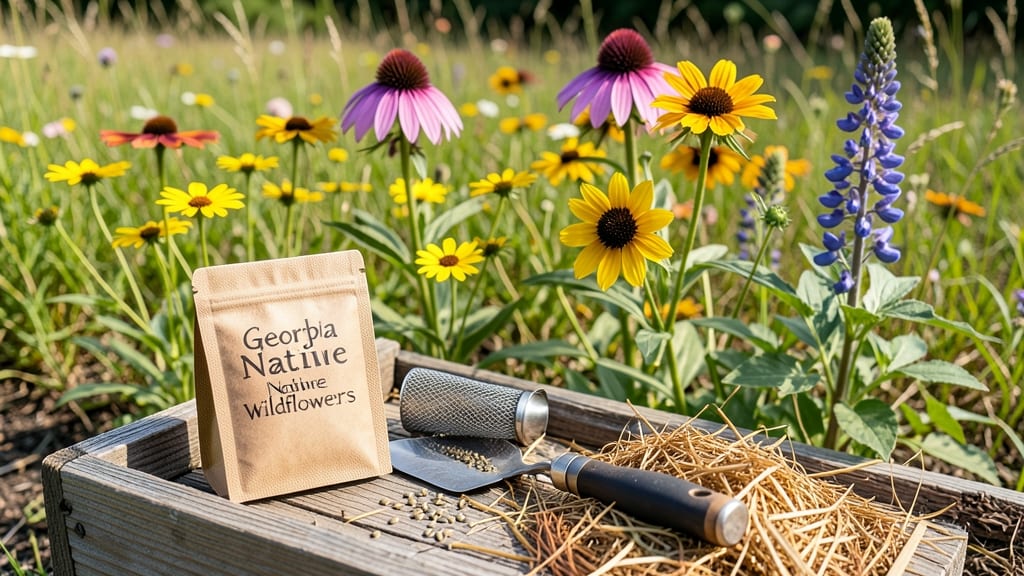
Plant wildflowers in Georgia between late winter and early spring or late summer and early fall to align with the state’s mild winters and long growing season 🌼.
Too early, and frost can wipe out tender seedlings; too late, and you might miss peak blooming seasons. Georgia’s USDA Zone 7a-9a climate gives you two clear windows—spring for vibrant summer color and fall for winter interest—but timing is the key to avoiding disappointment.
In this guide, I’ll break down the exact deadlines for each season, including how to prep your soil, choose the right seed mixes, and keep your wildflowers blooming all year. Whether you’re a first-timer or a seasoned gardener, these tips will help you create a low-maintenance, high-impact garden.
You’ll learn how to work with Georgia’s heat, humidity, and occasional drought to ensure your wildflowers thrive from spring through fall—plus, I’ll share my favorite native species that attract pollinators and require minimal care.
Best planting months for wildflowers in Georgia’s Zone 8a climate
Georgia’s Zone 8a climate offers two perfect windows for planting wildflowers—spring and fall—but timing matters to avoid frost damage and maximize blooms. The last frost date in most of Georgia falls around mid-March, while the first frost arrives in mid-November.
This means your planting schedule should align with these natural deadlines to give wildflowers the best chance to establish roots and thrive.
Spring planting is ideal for annual wildflowers that bloom quickly, while fall planting gives perennials and biennials time to root before winter. Georgia’s humidity and heat also mean summer planting can work for shade-tolerant varieties, but it requires extra care to prevent seedling stress.
Let’s break down the best months for each season and the varieties that perform best in Georgia’s microclimates.
🌱 Key Takeaway: Plant wildflowers in February-April for spring blooms or August-October for fall/winter color. Avoid planting in June-July unless you’re using shade-loving species.
For spring planting, aim to sow seeds between February and April to give them time to germinate before Georgia’s summer heat peaks. Black-eyed Susans and coneflowers are excellent choices for this window, as they thrive in the full sun and well-draining soil typical of Georgia’s gardens.
After sowing, keep the soil consistently moist until seedlings emerge, which usually takes 7–14 days depending on the variety.
If you prefer fall planting, focus on August through October to allow roots to establish before winter. Goldenrod and asters are perfect for fall color and attract pollinators like bees and butterflies.
Plant these varieties at least 6–8 weeks before the first frost—typically by mid-October in most of Georgia—to ensure they have enough time to grow before cold weather sets in.
Georgia’s Zone 8a climate also allows for summer planting, but it’s best suited for heat-tolerant annuals like zinnias and marigolds. These plants can handle the high temperatures and humidity of Georgia’s summers, but they require extra watering and mulching to retain moisture.
Plant these varieties in June or early July for blooms that last through the fall.
One of my favorite tricks for extending blooms is staggered planting. By sowing a portion of your seeds every 2–3 weeks during the optimal planting window, you’ll enjoy continuous color from spring through fall.
For example, plant half your coreopsis seeds in March and the rest in April to ensure fresh blooms all season long.
Don’t forget to prepare your soil before planting. Wildflowers thrive in well-draining soil with a pH between 6.0 and 7.5. Loosen the top 6 inches of soil and mix in compost to improve fertility and drainage.
In Georgia’s clay-heavy soils, adding sand or perlite can also help prevent waterlogging, which can drown wildflower seeds.
Finally, consider your garden’s microclimate. Areas near large trees or buildings may stay cooler or retain moisture longer, while open fields can get scorching hot. Adjust your planting timeline slightly if your garden experiences unusual heat or
How to choose wildflower seed mixes for Georgia’s growing seasons
Georgia’s humid subtropical climate and hot summers demand wildflower seed mixes that can handle both moisture and drought. The right mix ensures year-round blooms while supporting local pollinators.
Start by deciding between annuals (fast blooms, one season) and perennials (longer lifespan, lower maintenance). For Georgia’s Zone 8a, I recommend a blend of both for continuous color.
Next, consider whether you want native wildflowers (like black-eyed Susans or coreopsis) or ornamental mixes (e.g., cosmos or zinnia). Native varieties thrive with minimal care and attract local wildlife, while ornamentals offer vibrant, varied colors.
For sunny areas, opt for drought-tolerant mixes like lantana or salvia, while shade-tolerant options include foxglove or columbine.
When to Plant Wildflowers in Georgia
✅ Pros of Spring Planting
- ✔️ Longer bloom time before summer heat
- ✔️ Easier germination with spring rains
- ✔️ Ideal for annuals like cosmos
❌ Cons of Spring Planting
- ✖️ Risk of late frosts in north Georgia
- ✖️ Competition with weeds in early spring
- ✖️ Less time for perennials to establish
✅ Pros of Fall Planting
- ✔️ Cooler temps reduce stress on seeds
- ✔️ Early spring blooms next year
- ✔️ Better drought tolerance for perennials
❌ Cons of Fall Planting
- ✖️ Limited seed selection for summer blooms
- ✖️ Requires planning for spring color
- ✖️ Frost risk if planted too late
For spring blooms, plant annual mixes like sunflower or marigold in February-March after the last frost. These thrive in Georgia’s warm soils and provide instant color.
For summer-long blooms, choose perennial mixes with coneflower or bee balm, planting in late winter (January-February) so they establish roots before heat arrives.
If you want fall color, plant goldenrod or astern in August-September. These varieties handle Georgia’s humidity and occasional drought better than spring-planted annuals. Always check the mix’s sunlight requirements—some, like lupine, need full sun, while others, like trillium, prefer partial shade.
Pro tip: Look for pre-mixed regional blends labeled for Southeast US. These include native species that require less water and fertilizer. For example, Wildflower Farm’s Georgia Mix combines black-eyed Susans, coreopsis, and butterfly weed for low-maintenance beauty.
Always test your soil first—Georgia’s clay-heavy soils benefit from compost amendments before planting.
Finally, consider your garden’s maintenance level. No-mow mixes with clover or wild bergamot thrive in lawn areas with minimal upkeep, while cut-and-come-again varieties like dianthus need regular trimming. For pollinator gardens, prioritize native milkweed or purple coneflower to support monarch butterflies and bees. 🌼