
Orchid Care
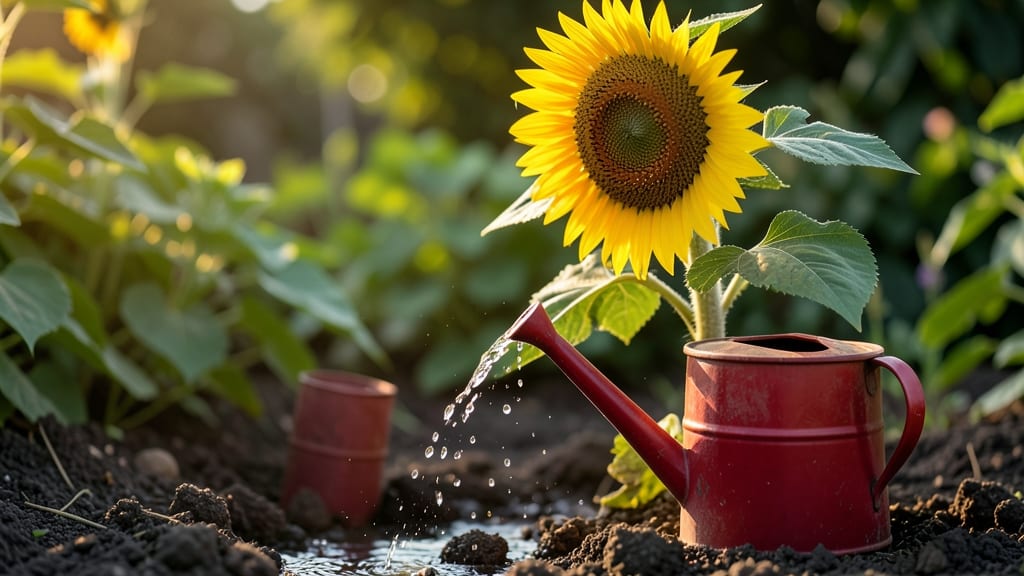
Sunflowers don’t actually require a lot of water once they’re established—1-2 inches per week is plenty, and they’re surprisingly drought-tolerant once their roots take hold.
That said, the first few weeks after planting are when most gardeners overdo it, drowning young seedlings in good intentions. Too much water rots roots, while too little stunts growth, and neither helps your 🌻 reach its towering potential.
Here’s the breakdown: deep watering every 3-5 days in spring and summer keeps soil moist but not soggy, while mature plants in USDA Zone 6a can go weeks without extra care. I’ll walk you through adjusting for heatwaves, clay soil, and the one mistake that kills more sunflowers than pests.
By the end, you’ll know exactly when to water, how to spot thirsty plants, and why your neighbors’ sunflowers might be thriving while yours look wilted—spoiler: it’s not about the water.
How much water sunflowers actually need (surprising truth about their thirst)
Sunflowers might look like they need buckets of water to grow their towering stems, but the truth is far less dramatic. These drought-tolerant giants actually prefer deep, infrequent watering over constant shallow soaks.
The myth that sunflowers require excessive water stems from their rapid growth phase—but once established, they can handle dry spells better than most flowers.
What truly matters is soil moisture at root level. Sunflowers develop deep taproots that can reach 3-5 feet underground, allowing them to access water stored deep in the soil. This natural adaptation means they’re far more resilient than shallow-rooted annuals like marigolds or zinnias, which need frequent top-watering.
| Growth Stage | Water Needs | Frequency | Soil Moisture |
|---|---|---|---|
| Seedlings (0-2 weeks) | High | Every 2-3 days | Keep top 1-2 inches moist |
| Vegetative (2-6 weeks) | Medium-High | Every 3-5 days | 12-18 inches deep |
| Flowering (6-10 weeks) | Medium | Every 5-7 days | 24+ inches deep |
| Mature (10+ weeks) | Low | Every 10-14 days | Dry top 6 inches |
| Dormancy (Fall/Winter) | None | Every 3-4 weeks | Only prevent complete dryness |
The vegetative stage (when leaves are rapidly growing) is the only time sunflowers truly demand attention. During this 4-6 week window, they need 1-2 inches of water weekly, delivered deep enough to reach their developing roots.
Think of it like giving them a long drink rather than frequent sips—this encourages those deep roots to form.
Once they start flowering, their water needs drop significantly. At this stage, overwatering becomes riskier than underwatering. Too much moisture can cause root rot or powdery mildew, especially in humid climates.
The key is to let the soil dry out between waterings—stick your finger 4-6 inches deep; if it’s dry, it’s time to water.
Sunflowers are far more drought-tolerant than popular belief suggests. In my own garden, I’ve seen mature sunflowers survive 3-week dry spells with minimal wilting, thanks to those deep roots. However, this resilience kicks in only after establishment. Seedlings and young plants still need consistent moisture to avoid stress.
Soil type plays a huge role in watering needs. In sandy soil, water drains quickly, so you’ll need to water every 2-3 days during hot spells.
In clay soil, which holds moisture longer, you can stretch waterings to every 7-10 days. Always check moisture levels—don’t rely on a schedule alone.
One common misconception is that sunflowers need daily watering during summer heatwaves. While they do appreciate extra water in extreme heat, mulching with straw or wood chips can cut water needs by 30-50%. Mulch locks in moisture, regulates soil temperature, and reduces evaporation—making your watering job easier.
If you’re growing sunflowers in containers, their water needs increase slightly because roots have less space to explore. Potted sunflowers may need watering every 2-3 days in summer, but always check the soil first. Containers dry out faster, especially in black or dark-colored pots, which absorb heat.
Watch for these tell-tale signs of water stress: wilting leaves that don’t recover by evening, yellowing lower leaves, or stems that feel hollow when tapped. These are red flags that your sunflowers are thirsty.
On the flip side, yellowing leaves with crispy edges or mushy stems signal overwatering—cut back immediately and let the soil dry out.
Remember, sunflowers aren’t just low-maintenance—they’re self-sufficient once they’re established. With the right watering approach, you’ll reward yourself with vibrant blooms and
Step-by-step watering schedule for sunflowers by growth stage
Sunflowers might look like they’re built for drought, but their young roots and rapid growth demand precise watering. Too little, and they wilt; too much, and their roots suffocate.
The key is deep, infrequent watering that encourages strong root systems. Here’s how to tailor your schedule to each stage, from tiny sprouts to towering blooms.
Your sunflower’s water needs shift dramatically as it grows. Seedlings need frequent moisture, while mature plants can handle dry spells. Soil type plays a huge role too—clay soil holds water longer than sandy soil, so adjust accordingly. Let’s break it down by stage so you never guess again.
🌱 Sunflower Watering Schedule by Growth Stage
-
Stage 1: Seedlings (0-2 weeks)
Water: Daily, 1/4 inch per day
Soil: Keep consistently moist, never soggy
Tip: Use a spray bottle for gentle moisture to avoid disturbing roots -
Stage 2: Vegetative Growth (2-6 weeks)
Water: Every 2-3 days, 1 inch total
Soil: Deep watering (6 inches down)
Adjust: Clay soil? Water every 4 days -
Stage 3: Flower Bud Formation (6-10 weeks)
Water: Every 3-4 days, 1.5 inches total
Watch for: Wilting leaves = underwatering
Fix: Mulch to retain moisture -
Stage 4: Blooming (10-14 weeks)
Water: Every 4-5 days, 2 inches total
Key: Morning watering prevents fungal risks
Soil: Sandy soil? Water daily in heatwaves -
Stage 5: Seed Maturation (14+ weeks)
Water: Reduce to weekly, 1 inch total
Goal: Dry soil encourages seed hardening
Stop: Watering 2 weeks before harvest
Watch your sunflowers for early warning signs of water stress. Yellowing leaves? That’s often overwatering (especially in clay soil). Drooping stems by midday? You’re underwatering. The trick is to water deeply—aim for 6-8 inches down—so roots grow strong. For sandy soil, water more frequently but shallower.
Adjust your schedule based on weather and soil. During heatwaves, increase frequency by 20%. In rainy seasons, skip watering entirely. Always water at the base of the plant to avoid fungal diseases on those broad leaves.
A 5-gallon bucket of water per plant, twice weekly, works for most gardens.
Once your sunflowers hit mature height, they’re surprisingly drought-tolerant—but don’t let them go completely dry. A deep soak every 7-10 days keeps them happy without wasting water. And remember: mulch is your best friend.
A 2-inch layer of straw or wood chips locks in moisture and keeps roots cool. With this schedule, your sunflowers will grow tall, proud, and disease-free. 🌻