
Light Requirements
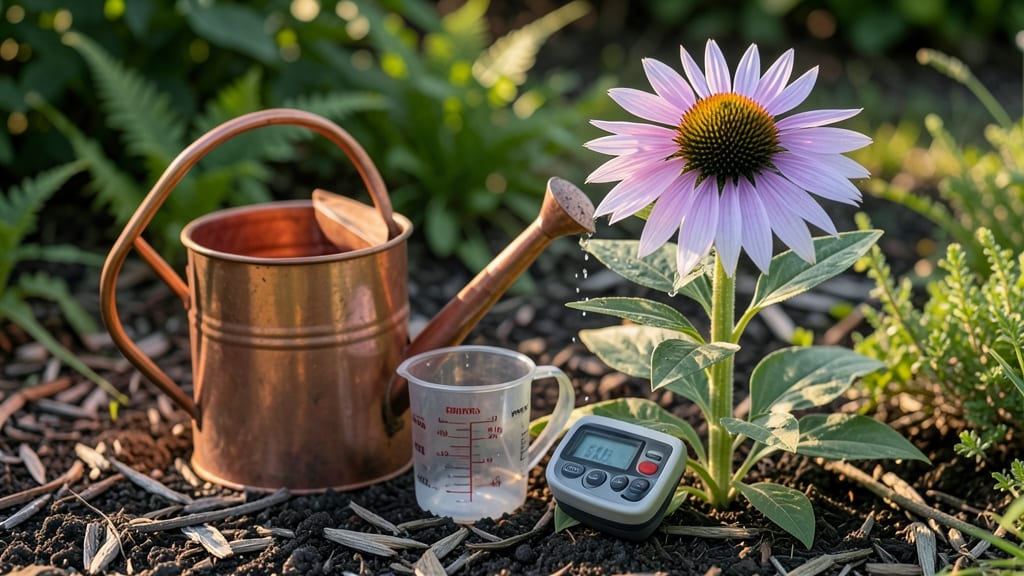
Coneflowers don’t need a lot of water—they’re built to handle dry spells once established, but a little moisture keeps them blooming like crazy 🌼.
If you’ve ever wondered why your coneflowers seem to thrive even when you forget to water them, you’re not alone—these hardy perennials are famous for their drought tolerance. But how much water do they really need to flourish without wilting? The answer might surprise you.
In USDA Zone 6a, where I garden, a deep watering once a week is plenty after the first year. The key is getting moisture down to the roots, not just wetting the surface. Overwatering is just as bad—it leads to soggy soil and weak stems.
Below, I’ll break down exactly how to water coneflowers for stronger blooms, seasonal adjustments, and mulching tricks to cut back on watering. You’ll learn how to keep your plants happy with minimal effort.
How much water coneflowers actually need (and when to adjust)
Coneflowers (Echinacea spp.) are often called drought-tolerant, but that doesn’t mean they thrive on neglect. While they handle dry spells better than many perennials, overwatering or underwatering can both lead to weak blooms or even plant death.
The key is understanding their natural moisture preferences and adjusting based on your climate and soil type. Let’s break down exactly how much water these hardy flowers need—and when to tweak your routine for the best results.
Newly planted coneflowers require the most attention to water, as their roots establish in the soil. Once mature, they develop deep roots that access moisture from 12–18 inches below the surface, making them surprisingly resilient.
However, this doesn’t mean you can skip watering entirely—consistent moisture during their first year is critical for strong root development. After that, they’ll often survive on rainfall alone in many regions.
Here’s the catch: Coneflowers hate soggy soil. Their native prairie habitats experience dry spells interspersed with occasional heavy rains, not constant wetness. Overwatering can lead to root rot, stunted growth, and fewer blooms—exactly what you’re trying to avoid.
The goal is to mimic their natural environment by keeping soil evenly moist but never waterlogged.
To help visualize the ideal watering approach, here’s a quick comparison of how coneflowers respond to different moisture levels:
The seasonal shift in watering needs is critical. During spring and fall, when temperatures are moderate, coneflowers thrive with about 1 inch of water per week. This includes rainfall—so check your soil before watering.
In summer, when heat and wind increase evaporation, you may need to double that amount and water early in the morning to reduce fungal risks.
I’ve found that deep watering (soaking the soil to 12 inches deep) every 5–7 days in summer keeps my coneflowers lush without overdoing it.
Your soil type plays a huge role in how often you need to water. Coneflowers prefer well-draining soil, but if you have clay soil, they’ll need less frequent watering because it retains moisture longer.
On the flip side, sandy soil drains quickly, so you’ll need to water more often. To test your soil’s moisture level, stick your finger 2 inches deep—if it feels dry, it’s time to water. If it’s still damp, wait another day or two.
One of the biggest myths about coneflowers is that they’re completely drought-proof. While they’re tough, prolonged drought stress will still cause them to bolt (send up seed stalks early) or produce fewer blooms.
If your area experiences extended dry spells, consider mulching with 2–3 inches of organic mulch (like shredded leaves or straw) to lock in moisture and keep roots cool. This simple step can reduce watering needs by up to 50% while also suppressing weeds.
Adjusting your watering schedule based on weather forecasts is another pro tip. If a heatwave is coming, increase watering slightly. If rain is in the forecast, hold off until the ground dries out.
Over time, you’ll learn your coneflowers’ unique rhythm—some varieties, like Echinacea purpurea, are more drought-tolerant than others, like Echinacea pallida, which may need slightly more moisture. Always water at the base of the plant (not the leaves) to prevent fungal diseases like powdery mildew.
Finally, overwatering is just as damaging as underwatering. If your coneflowers develop yellow leaves, wilting despite moist soil, or a foul smell at the base, you’re likely overdoing it. In this case, reduce watering immediately and improve drainage by amending the soil with compost or perlite.
Healthy coneflowers should have deep green leaves and sturdy stems—if they’re looking sad, it’s time
5 Signs your coneflowers are getting too much (or too little) water
Coneflowers (Echinacea spp.) are famously low-maintenance, but even these tough perennials send signals when their water needs aren’t met. Overwatering or underwatering can stifle blooms, weaken stems, and even kill your plants if ignored.
The key is learning their subtle cues—like leaf color or stem firmness—before problems escalate. I’ve seen coneflowers recover from neglect, but only when I caught the signs early.
Most gardeners assume coneflowers thrive on forgetfulness, but water stress (either too much or too little) is the #1 reason they underperform. The good news? Fixing it is simpler than you think. Start by checking these 5 warning signs that your plants are thirsty—or drowning.
Each clue comes with a quick action plan to restore balance, so you can enjoy those iconic purple blooms all season long.
Sign of: Overwatering
Soft, mushy stems and yellow leaves that stay pliable? Your coneflowers are sitting in soggy soil. Roots can’t breathe, leading to stem rot. Stop watering immediately and let soil dry 2-3 inches deep before resuming.
Sign of: Overwatering or compacted soil
Droopy leaves when the ground is still moist? Your roots are suffocating. Overwatering or clay-heavy soil blocks oxygen. Improve drainage by adding compost or perlite and water only when the top inch of soil feels dry.
Sign of: Underwatering
Leaves turning brown and brittle? Your coneflowers are thirsty. Deep water once a week (1 inch total) and mulch with straw or wood chips to retain moisture. Morning watering prevents evaporation.
Sign of: Either over- or underwatering
Healthy coneflowers produce 6-12 blooms per stem. Fewer flowers mean stress. Check soil moisture—if it’s too wet or too dry, adjust your watering schedule. Balanced moisture triggers more buds!
Sign of: Overwatering or fungal infection
Floppy or mushy stems signal root rot or weak structure. Cut back affected stems to the base and reduce watering. Apply fungicide if you spot black spots—this is a red flag for overwatering.
Once you spot these signs, act fast—but don’t panic. Coneflowers are resilient, and most issues reverse with proper watering adjustments. For example, I once had a patch of coneflowers with yellow leaves and stem rot from overwatering.
After cutting back the damaged stems and letting the soil dry, they bounced back with double the blooms the next season!
To prevent future stress, mulch heavily (3-4 inches of straw) and water deeply but infrequently. In summer heat, I water mine every 5-7 days instead of daily. This mimics their natural drought tolerance while keeping them lush. Morning watering is key—it reduces evaporation and fungal risks.
Remember: Coneflowers don’t need a lot of water, but they do need consistent moisture. The goal is well-draining soil that stays evenly moist but never soggy. With these tips, your coneflowers will reward you with vibrant blooms from summer to fall—no guesswork required! 🌼