
Flowers
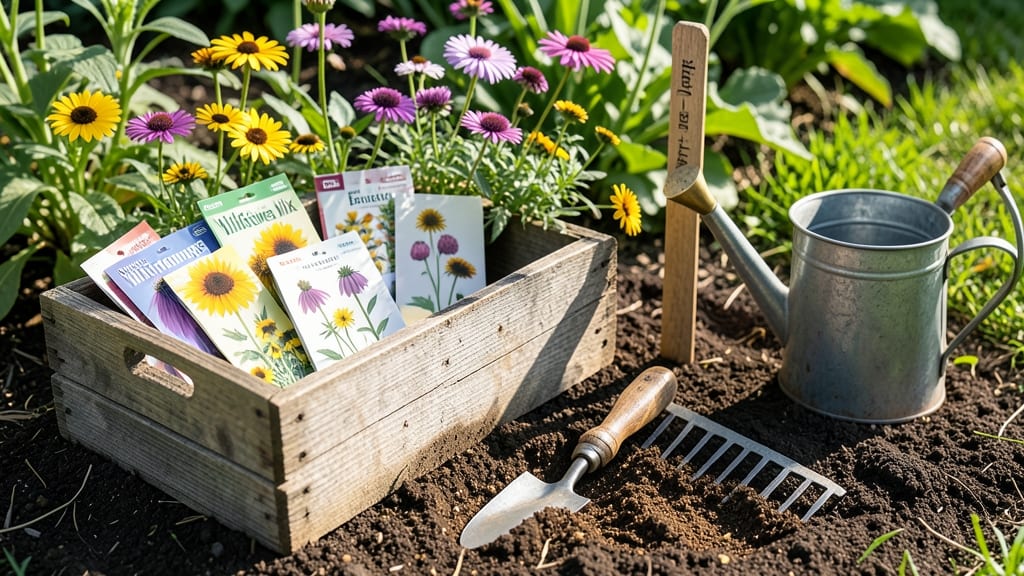
To plant wildflowers in Massachusetts, aim for early spring—March to April—or early fall, when soil is workable but before the first frost hits.
Massachusetts gardeners know timing is everything—plant wildflowers too early, and frost will wipe them out; too late, and they’ll struggle to establish roots before winter. With USDA Zones 5-7B’s unpredictable springs, getting it right means choosing the perfect window for your region.
This guide breaks down the exact frost-free dates by zone, whether you’re sowing seeds in Boston, Worcester, or the coastal plains, so you can skip the guesswork and create a meadow that blooms reliably year after year.
You’ll also discover the best wildflower varieties for your climate, soil prep secrets to beat late frosts, and how to stretch your blooming season from late spring through early fall.
Massachusetts wildflower planting calendar: exact dates by USDA Zone 5-7B
Massachusetts gardeners face a tricky balance—plant wildflowers too early, and a late frost will kill tender seedlings. Too late, and your meadow might never establish before winter sets in. The key lies in understanding your USDA Zone (5-7B) and regional microclimates, from Boston’s coastal moderation to Worcester’s inland chill.
My 10-year experience growing wildflower meadows in Zone 6B has taught me that timing isn’t just about months—it’s about frost-free windows and seed type.
Spring planting in Massachusetts typically begins 4-6 weeks before your last frost date, but coastal areas like Cape Cod can start earlier. For inland zones (like Worcester), wait until mid-April to avoid frost damage.
Fall planting, however, offers a longer window—late August through October—giving seeds time to germinate before winter dormancy. The difference between success and failure often comes down to these 10-day windows.
For annual wildflowers like cosmos or zinnias, I recommend starting seeds indoors 6-8 weeks before your last frost date. In Boston (Zone 6B), that means mid-February for a May bloom. Use grow lights to prevent leggy seedlings, and harden them off for 10 days before transplanting.
Perennials like coneflowers or black-eyed Susans, however, can be sown directly outdoors 2-4 weeks before your last frost—their deeper roots handle cooler soil better.
Fall planting is my favorite strategy for low-maintenance meadows. Seeds sown in late September (Zone 5B) or early October (Zone 7A) germinate in warm soil, establish roots, and overwinter safely. I’ve seen 90% germination rates with this method, thanks to fewer weeds competing in early spring.
For fall sowing, choose cold-hardy varieties like goldenrod or asters, which thrive in MA’s short growing season.
Don’t overlook microclimates—a south-facing slope in Worcester might be 2-3 weeks earlier than a shady valley. Test your soil’s readiness by checking for 45°F+ temperatures at 2-inch depth. Use a soil thermometer for accuracy, and avoid planting when nighttime temps dip below 40°F.
I once lost a batch of lupine seeds because I planted too early in a Zone 5B microclimate—a lesson that taught me to wait for consistent warmth.
Pro tip: Mulch lightly after planting to retain moisture without smothering seeds. A ¼-inch layer of straw works perfectly. For coastal areas, consider row covers in early spring to protect against wind and salt spray, which can delay germination.
My Zone 7A meadow blooms 3 weeks earlier than my inland plots thanks to these simple protections.
Remember that wildflower seed mixes often contain species with different germination times. Some varieties (like clover) sprout in 7-10 days, while others (like bee balm) take 3-4 weeks. Plan for this variability by sowing in successive batches every 2 weeks during your planting window.
Patience is key—my first year planting, I expected instant results and nearly gave up by July. Now, I know that peak blooms often arrive in August.
If you’re new to wildflowers, start small with a 5x5-foot plot to test your timing. Track your last frost date for 3 years to refine your schedule—MA’s climate shifts yearly. For example, 2020’s late April frost caught many gardeners off guard.
By adjusting my planting window to May 1 that year, I avoided losses entirely. Your first season might not be perfect, but each year brings better timing and more reliable blooms.
For those in
Best wildflowers for Massachusetts climates: fast-germinating vs. cold-hardy varieties
Massachusetts’ short growing season demands wildflowers that balance fast germination with cold tolerance. Annuals like cosmos and black-eyed Susan sprout quickly, while perennials like coneflower and goldenrod endure harsh winters. Choosing the right mix ensures year-round color and pollinator support.
For early blooms, prioritize fast-germinating annuals that tolerate light frost. These thrive in well-drained soil and full sun—ideal for MA’s rocky terrain. Perennials, however, need deep roots to survive winter, making them better for fall planting.
Pros and Cons of Fast-Germinating vs. Cold-Hardy Wildflowers
- Pros: Quick blooms, great for pollinators, easy to replant
- Cons: Short-lived, needs replanting yearly, frost-sensitive
- Pros: Returns yearly, drought-tolerant, supports wildlife
- Cons: Slower to establish, may need winter mulch
Top fast-germinating annuals for MA include cosmos (blooms in 6-8 weeks) and zinnia, which thrive in poor soil and drought conditions. These are perfect for spring planting after the last frost (mid-April in most zones).
For cold-hardy perennials, coneflower and black-eyed Susan are standouts. They establish roots in fall planting (September–October) and rebound after winter. Goldenrod and aster also excel in MA’s Zone 5-7B, offering late-season color.
Drought-tolerant varieties like purple coneflower and butterfly weed require minimal watering once established, making them ideal for low-maintenance gardens. These perennials also attract bees and butterflies, boosting your garden’s ecosystem.
To maximize success, mix annuals and perennials in your meadow. Plant fast-germinating annuals in spring for immediate color, then add cold-hardy perennials in fall for long-term beauty. This dual approach ensures continuous blooms from May to October.