
Flowers
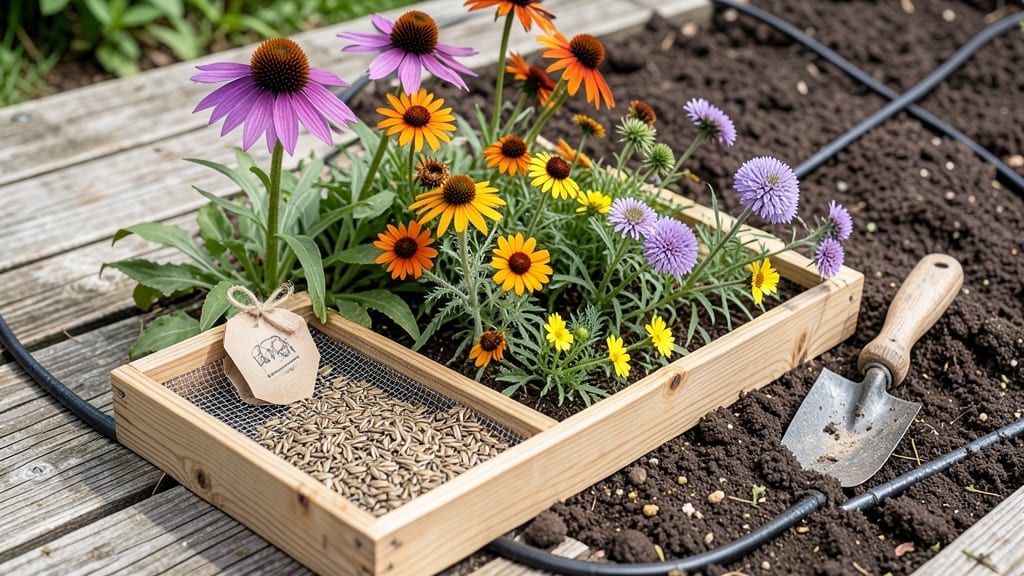
Plant wildflowers in Missouri between early spring and early fall to beat frost and ensure vibrant blooms 🌼—timing is everything in USDA Zones 5b-6b.
Missouri’s unpredictable springs and frosty autumns can turn wildflower planting into a gamble—but timing your seeds right ensures vibrant blooms year after year. Learn the exact USDA Zone 5-6 deadlines to maximize germination and avoid frost damage.
Missouri’s climate means spring planting works best in March-April, while fall offers a second chance in September-October. Skipping these windows risks seeds rotting in cold soil or drying out before roots take hold.
Below, I’ll break down the best planting months for your region, top wildflower varieties that thrive here, and pro tips to keep your meadow blooming for years.
Missouri wildflower planting deadlines by USDA Zone 5-6: frost-free timing guide
Missouri’s USDA Zones 5b-6b bring unpredictable frost dates that can make wildflower planting tricky. The key is planting when soil temperatures reach 40-50°F—early enough for germination but late enough to avoid late spring frosts that can kill tender seedlings.
For most wildflowers, this means March through April for spring planting and September through early October for fall options.
Fall planting is often more successful in Missouri because it allows seeds to establish roots before winter. However, annual wildflowers like cosmos and zinnias can handle late spring sowing (after April 15), while perennials like coneflowers need the extra time to root deeply before frost.
Always check your local last frost date—St. Louis averages April 10, while northern Missouri (e.g., Kansas City) can see frost until April 20.
🌱 Pro Tip: Use a soil thermometer to confirm 40-50°F soil temps before planting. Cold soil can delay germination by weeks, especially for slow-sprouting perennials like black-eyed Susans.
| Season | Planting Window (Zone 5-6) | Best For | Frost Risk |
|---|---|---|---|
| Early Spring | March 15 – April 15 | Annuals (cosmos, sunflowers) | High (late frosts) |
| Late Spring | April 16 – May 10 | Perennials (coneflowers, bee balm) | Low (safe after frost) |
| Early Fall | September 1 – October 5 | All types (best success) | Moderate (early frosts) |
| Late Fall | October 6 – November 1 | Hardy perennials (goldenrod, asters) | High (winter kill risk) |
For spring planting, aim to sow seeds 4-6 weeks before your last frost date.
In Missouri, this typically means mid-March in southern zones (e.g., Springfield) and late March to early April in northern zones (e.g., Columbia). Annual wildflowers like sunflowers and cosmos can handle direct sowing after frost, but perennials like coneflowers need the head start.
Fall planting offers a longer window—from September 1 to October 5—because seeds germinate slowly in cool soil and establish roots before winter. This is ideal for drought-tolerant perennials like purple coneflower and black-eyed Susan, which thrive with minimal spring care.
However, avoid planting after October 10, as seeds may not germinate before first frost (typically mid-October).
🌿 Key Exception: Some winter-hardy annuals, like larkspur and sweet alyssum, can be sown in late summer (August) for fall blooms. These tolerate light frosts and even snow cover, making them perfect for Missouri’s short growing season.
Missouri’s summer heat (June-August) is not ideal for planting most wildflowers, but you can direct-sow fast-germinating annuals like zinnias or marigolds in late May for late summer blooms. These handle high temperatures better than perennials but require consistent watering to establish roots quickly.
Always prepare your soil 2-3 weeks before planting. Wildflowers thrive in well-draining, slightly rocky soil—common in Missouri’s limestone regions. Loosen the top 6 inches of soil and mix in compost to improve fertility. Avoid heavy clay soils, which can suffocate seeds and cause rot.
If you’re unsure about your local frost dates, check the Missouri Botanical Garden’s frost calendar or use the National Weather Service’s freeze probability maps. In Zone 5b (northern Missouri), plant by April 1 for spring; in Zone 6b (southern Missouri), you have until April 15.
For fall, Zone 5b should finish by September 20, while Zone 6b can go until October 5.
Timing your wildflower planting right ensures vibrant blooms from early summer
Best wildflower species for Missouri’s short growing season: cold-hardy vs. heat-tolerant picks
Missouri’s USDA Zones 5-6 demand wildflowers that can handle late frosts and summer heat. My top picks balance cold-hardy varieties for spring planting with heat-tolerant species for fall sowing. These selections thrive in dry conditions while attracting pollinators year-round.
For spring planting (March-April), focus on cold-hardy annuals like Black-Eyed Susan (Rudbeckia hirta) and Coreopsis. These fast-growing flowers tolerate light frosts and bloom by summer. In contrast, fall-planted varieties such as Purple Coneflower (Echinacea purpurea) establish roots before winter and rebloom vigorously in spring.
🌱 Spring vs. Fall Planting: Pros & Cons
- ✅ Faster blooms (6-8 weeks)
- ✅ Better for annuals
- ✅ Avoids summer drought
- ❌ Frost risk if planted too early
- ❌ Limited fall color
- ✅ Stronger root systems
- ✅ Extended bloom seasons
- ✅ Better drought tolerance
- ❌ Slower first-year blooms
- ❌ Requires precise timing
My top cold-hardy pick is Blanket Flower (Gaillardia), which thrives in full sun and dry soil. It blooms from June to frost and attracts butterflies and bees.
For heat-tolerant perennials, Butterfly Weed (Asclepias tuberosa) is a drought-resistant superstar that reblooms annually with minimal care.
If you’re short on time, annual wildflowers like Sunflower (Helianthus annuus) and Cosmos (Cosmos bipinnatus) offer quick color (30-60 days). These self-seeding varieties thrive in poor soil and hot conditions, making them ideal for summer gaps between perennials.
For pollinator powerhouses, mix Milkweed (Asclepias) with Goldenrod (Solidago). Both are native Missouri favorites that support monarch butterflies and native bees. Plant them in September for spring blooms—their deep roots outcompete weeds and reduce watering needs.
Pro tip: Pair fast growers like Zinnia (Zinnia elegans) with slow starters such as Black-Eyed Susan. This layered approach ensures continuous blooms from June to October, even in Missouri’s short growing season. 🌻