
Flowers
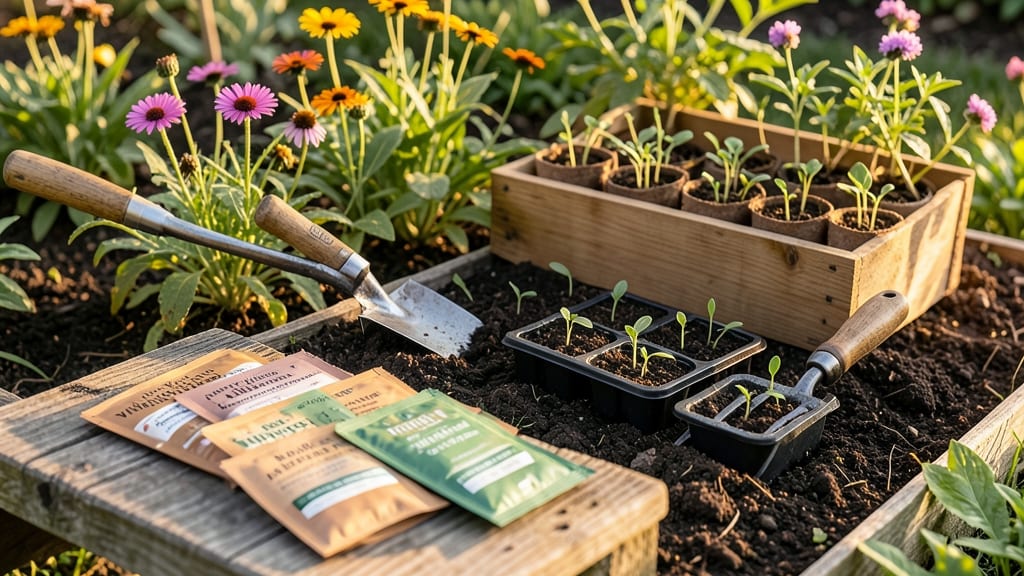
Planting wildflowers in Virginia at the right time ensures vibrant blooms from spring to fall 🌼 — aim for late winter to early spring or late summer to early fall for best results.
Virginia’s diverse climate—from coastal plains to mountain highlands—means wildflower planting timing can make or break your garden’s success. Plant at the wrong time, and you’ll miss vibrant blooms; get it right, and your meadow could explode with color for years.
Most Virginia gardeners swear by spring planting after the last frost (around mid-March), but fall is also a great option for species like black-eyed Susans and coneflowers. The key is preparing your soil well and choosing native varieties that thrive in your USDA zone.
In this guide, I’ll walk you through the best months for each Virginia region, how to pick the right seed mixes, and simple care tips to keep your wildflowers thriving—no green thumb required!
Virginia wildflower planting calendar by USDA Zone (best months for each region)
Virginia’s six USDA zones (5a-8a) create a patchwork of planting opportunities, but timing is everything. Coastal areas like Norfolk (Zone 8a) enjoy longer growing seasons, while mountain regions (Zone 5a) face earlier frosts. Understanding these differences ensures your wildflowers thrive year after year.
Most Virginia wildflowers prefer late winter to early spring (February-April) or late summer to early fall (August-September) planting. Spring planting aligns with natural rainfall, while fall sowing lets seeds establish roots before winter. Let’s break down the best months for each zone.
🌱
| USDA Zone | Best Planting Months | Key Considerations | Recommended Seed Mixes |
|---|---|---|---|
| 5a (Mountains) | Late April - Early June | Short growing season; avoid frost-prone areas | Black-eyed Susan, Coneflower, Goldenrod |
| 6a (Piedmont) | March - April or August - September | Moderate rainfall; prepare soil in fall | Butterfly Weed, Purple Coneflower, Wild Bergamot |
| 6b (Central VA) | February - March or August - September | Longer frost-free period; ideal for spring blooms | Coreopsis, Phlox, Milkweed |
| 7a (Tidewater) | January - February or September - October | Humid climate; ensure good drainage | Sunflower, Zinnia, Blanket Flower |
| 7b (Coastal) | January - February or September - October | Salty air; choose salt-tolerant species | Beach Sunflower, Seaside Goldenrod, Marsh Elder |
| 8a (Southeast) | December - January or September - October | Warm winters; year-round planting possible | Lantana, Salvia, Mexican Sunflower |
For Zone 5a (mountains), focus on late April to early June planting to avoid late frosts. Native species like Black-eyed Susan and Goldenrod thrive here, offering vibrant colors despite the shorter growing season. Always check your local last frost date—typically around April 15 in these areas.
In Zones 6a-6b (Piedmont), both spring (March-April) and fall (August-September) planting work well. Fall planting gives seeds time to germinate before winter, while spring planting aligns with natural rainfall. Wild Bergamot and Butterfly Weed are excellent choices for these zones.
Coastal regions like Zone 7a-8a offer the most flexibility. Plant January-February for early blooms or September-October to take advantage of mild winters. Salt-tolerant species like Beach Sunflower are perfect for these areas, where salty air can stress other plants.
Regardless of zone, always prepare your soil by loosening the top 6 inches and removing weeds. Scatter seeds evenly and lightly cover with soil or mulch to protect them from drying out. Water consistently for the first 4-6 weeks to encourage germination.
🌿
Pro tip: Use a wildflower seed mix tailored to your zone. For example, Zone 5a mixes should include cold-hardy species, while Zone 8a mixes can incorporate more heat-tolerant varieties. Always check the seed packet for specific instructions—some mixes require stratification (cold treatment) before planting.
Finally, consider mowing or leaving seed heads after blooming to support wildlife and natural reseeding. With the right timing and care, your Virginia wild
How to choose wildflower seed mixes for Virginia’s climate and soil types
Virginia’s varied soil types and microclimates demand careful wildflower seed mix selection. The sandy coastal plains of the Tidewater region need drought-tolerant species, while the clay-heavy Piedmont benefits from deep-rooted perennials. Choosing the right mix ensures vibrant blooms and low maintenance—once established, many Virginia wildflowers thrive with minimal care.
Native seed mixes outperform non-native blends because they’re adapted to Virginia’s USDA zones 5a-8a. Look for mixes labeled "Virginia-friendly" or "southeastern native" to attract pollinators like monarch butterflies and bees. These mixes also require less water once roots establish, saving you time and resources during Virginia’s hot summers.
Sun exposure is critical—full sun (6+ hours daily) suits most Virginia wildflowers, but part shade (3-6 hours) works for woodland species like trillium or bloodroot.
Check your garden’s sunlight patterns before selecting a mix; coastal areas often have harsher sunlight, while mountain regions may experience cooler, shorter days.
Soil pH matters too. Virginia’s acidic sandy soils (common in coastal areas) favor azaleas and blueberries, while neutral to slightly alkaline soils (Piedmont) support coneflowers and black-eyed Susans.
Test your soil’s pH before planting—most wildflowers prefer 6.0-7.0, but some natives like lobelia thrive in acidic conditions (5.0-6.0).
Native vs. Non-Native Wildflower Seed Mixes
- ✅ Supports local ecosystems
- ✅ Low water needs after establishment
- ✅ Attracts native pollinators
- ✅ Thrives in Virginia’s climate
- ❌ May require more water
- ❌ Could spread invasively
- ❌ Less pollinator-friendly
- ❌ Higher maintenance
- Eco-friendly gardens
- Low-maintenance meadows
- Pollinator support
- Quick color bursts
- Temporary displays
- Non-native landscapes
Top 5 Virginia-friendly wildflowers include black-eyed Susan (golden blooms, drought-tolerant), purple coneflower (long-lasting, pollinator magnet), coreopsis (bright yellow, adaptable to poor soil), butterfly weed (orange, milkweed for monarchs), and wild bergamot (lavender, fragrant and deer-resistant).
These species handle Virginia’s humid summers and variable winters with ease.
For coastal Virginia, opt for salt-tolerant mixes like sea oats or beach heather, while mountain regions benefit from alpine wildflowers like columbine or phlox. Always check the mix’s sunlight and soil requirements—some blends are designed for shady woodlands, while others thrive in sunny meadows.
A little research now saves headaches later!
Start with a small test plot (5x5 feet) to gauge how your chosen mix performs. Virginia’s unpredictable spring rains can wash away seeds, so consider hydroseeding or light mulching for better germination.
With the right mix, your wildflower garden will bloom reliably for years with minimal effort—just sit back and enjoy the show! 🌼