
Flowers
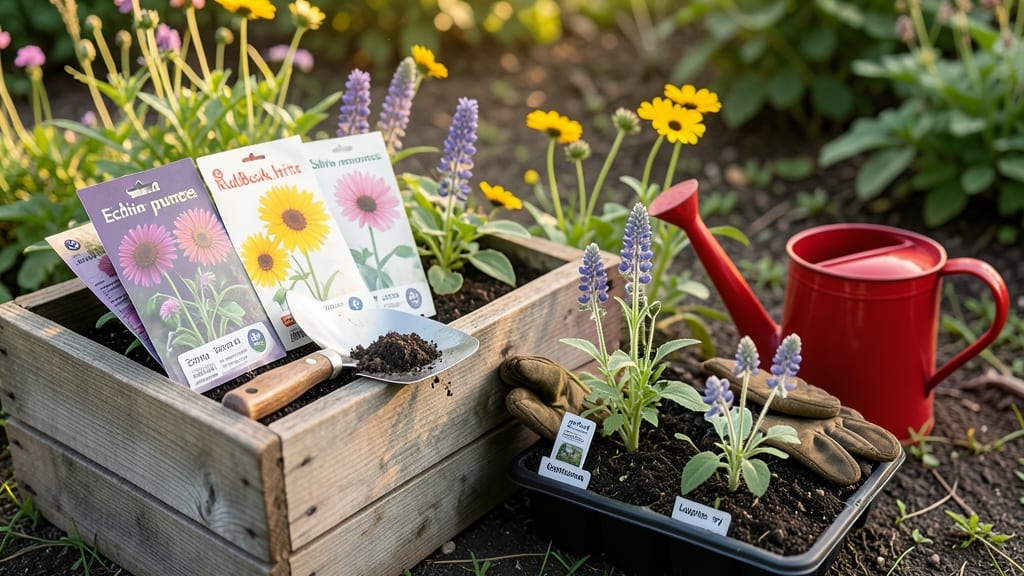
Plant wildflowers in Zone 8 during early spring or fall for vibrant blooms that last all season 🌼 — timing is everything for those year-round bursts of color.
Picture this: you’ve cleared the soil, scattered seeds, and watered them in, only to watch them wither under the summer heat or fail to sprout before the first frost. That’s what happens when you don’t align planting with Zone 8’s climate quirks.
Spring planting (March) gives wildflowers a head start before the heat sets in, while fall (September-October) ensures roots establish before winter. Both strategies beat the odds for drought-prone areas and maximize blooms.
Below, I’ll break down the exact months to plant, adjust for your local microclimate, and share the top 5 wildflower species that thrive with minimal fuss.
Best planting months for wildflowers in Zone 8 by season
Timing is everything when planting wildflowers in Zone 8. Unlike annuals, wildflowers often need 60-90 days to establish roots before blooming, so planting too early or late can leave your meadow sparse.
My Zone 8 garden thrives when I follow seasonal cues—cool springs, scorching summers, and mild falls all dictate the perfect window.
Fall planting is my top recommendation for Zone 8 wildflowers. Seeds sown in September or October germinate slowly through winter, then burst into bloom by spring. This method also avoids summer heat stress, which can scorch tender seedlings.
For summer-blooming varieties, I adjust timing slightly to ensure spring planting completes its cycle before the heat peaks.
| Season | Ideal Planting Window | Key Species | Climate Notes |
|---|---|---|---|
| Spring | March-April (after last frost) | Black-eyed Susan, Coneflower | Soil temps 60°F+; water deeply |
| Summer | Avoid (heat stress risk) | N/A | Wait for fall or spring |
| Fall | September-October (6-8 weeks before frost) | Coreopsis, Goldenrod, Lupine | Seeds germinate in spring; drought-tolerant |
| Winter | Not recommended (dormancy period) | N/A | Soil too cold for germination |
For spring planting, I focus on March-April once soil temperatures reach 60°F+. This timing aligns with native wildflowers like black-eyed Susan and coneflower, which need 6-8 weeks to establish before summer’s intense heat arrives.
I always test soil moisture—dry spells can stall germination, so I keep seeds lightly moist until sprouts appear.
My fall planting strategy prioritizes September-October, giving seeds time to germinate in cool weather but avoiding winter’s harshest chill. This method ensures spring blooms when pollinators are most active. I’ve found coreopsis and goldenrod thrive with this approach, often outcompeting weeds naturally.
Summer planting is a no-go in Zone 8. The 100°F+ heat dries soil quickly, and seedlings struggle to establish before wilting. Instead, I use summer to mow down spent blooms, collect seeds, and prep soil for fall. This keeps my garden productive year-round without overcrowding.
Microclimates matter! Coastal Zone 8 areas (like San Francisco) can plant 2 weeks earlier than inland spots (like Phoenix). I adjust by monitoring soil temperature—seeds need 50°F+ to sprout.
For desert zones, I opt for drought-tolerant species like blanket flower and plant in late fall to escape summer’s extreme heat.
After planting, I mulch lightly to retain moisture and suppress weeds. Native wildflowers like lupine benefit from well-draining soil, so I avoid heavy mulch layers. Watering deeply once weekly in spring/fall and bi-weekly in summer keeps my meadow lush without overwatering.
Pro tip: Mix wildflower seeds with sand for even distribution. I use a seed spreader or broadcast by hand, then lightly rake to ensure soil contact. This prevents clumping and ensures even germination across the meadow.
With the right timing, my Zone 8 wildflower garden blooms from spring to fall, attracting bees, butterflies, and hummingbirds. The key? Fall planting for spring color and spring planting for summer blooms—never summer, and rarely winter. 🌼
How to adjust planting timing for Zone 8 microclimates
Zone 8’s diverse microclimates—from coastal breezes to desert heat—mean wildflower planting windows can shift dramatically.
In coastal areas, cooler temperatures and higher humidity may extend your fall planting into November, while desert regions demand early spring sowing to avoid summer drought stress. Mountainous zones often experience earlier frosts, requiring adjustments to protect tender seedlings.
Soil temperature is your best guide: aim for 60°F+ for spring planting and 70°F+ for fall. Coastal soils stay moist longer, so you can plant 2-3 weeks later than inland areas. Meanwhile, desert wildflowers like blanket flower thrive when seeded 6-8 weeks before monsoon rains, typically by mid-March.
Always check your local last frost date—but remember, microclimates can shift it by 2-4 weeks.
- 1 Coastal Areas: Plant fall wildflowers by October 15 to avoid winter rains. Use drought-tolerant mixes like California poppy that handle salt spray.
- 2 Desert Regions: Seed spring wildflowers by February 1 to capitalize on monsoon moisture. Choose native species like desert marigold that thrive with minimal water.
- 3 Mountainous Zones: Adjust for earlier frosts—plant fall wildflowers by September 1. Mulch heavily to protect roots from temperature swings between day and night.
- 4 Urban Heat Islands: Plant heat-tolerant species like black-eyed Susan in late winter (January) to establish roots before summer heat peaks.
- 5 Soil Prep Tip: Test soil 3 weeks before planting. Amend sandy desert soils with compost; coastal clay may need gypsum to improve drainage.
For coastal gardens, prioritize wind-resistant species like yarrow or beach heather, which handle salt spray and sandy soils. In desert landscapes, focus on deep-rooted natives such as penstemon that store water efficiently.
If you’re in a mountainous microclimate, consider shade-tolerant wildflowers like columbine for north-facing slopes where sunlight is limited.
Always monitor soil moisture—coastal areas may need less frequent watering due to humidity, while desert soils dry out rapidly. Use a moisture meter to guide your watering schedule, especially during seedling establishment.
In urban heat islands, mulch with straw or wood chips to retain moisture and regulate soil temperature.
Protect young seedlings from unpredictable frosts in mountainous areas by using row covers or cloche tunnels until plants reach 3-4 inches tall. For desert plantings, avoid overhead watering to prevent fungal diseases in the high heat.
Instead, use drip irrigation or soaker hoses to deliver water directly to the roots.
By tailoring your planting timeline to your local microclimate, you’ll create a thriving wildflower meadow that blooms reliably year after year—no matter where you garden in Zone 8. Start with small test plots to refine your timing before expanding! 🌿