
Plants
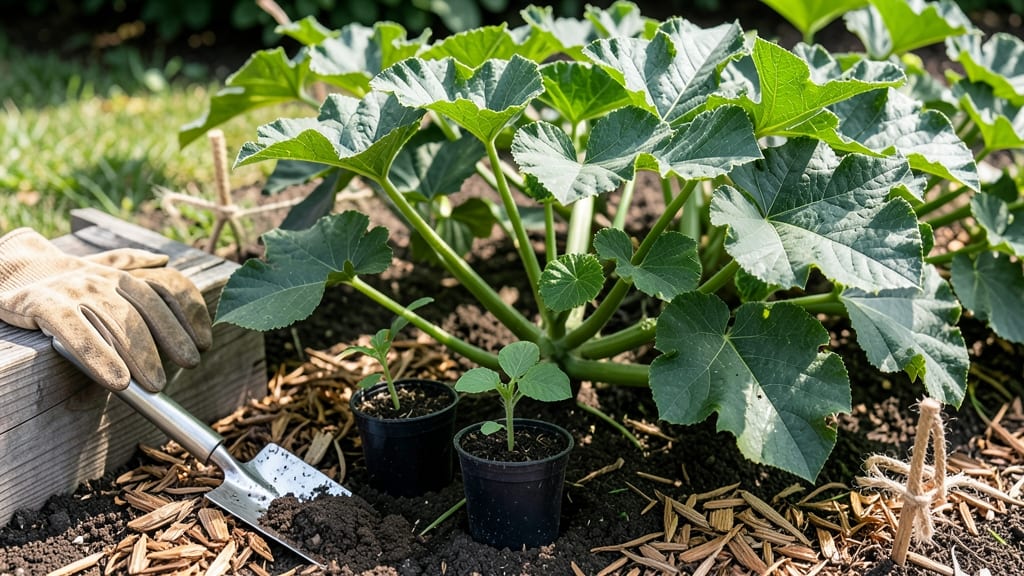
To plant zucchini in Utah, aim for mid-April to early June after the last frost—when soil warms to at least 60°F—to give your 🎃 plants a strong start before summer’s heat.
Utah’s climate throws a curveball with its unpredictable frosts and high-altitude swings, so timing is everything. Plant too early, and a late freeze will stall growth; too late, and you’ll miss the 120-day harvest window before fall sets in.
Whether you’re in Salt Lake City’s cooler valleys or St. George’s desert heat, the key is matching your elevation to the right planting date. I’ll break down the exact windows for USDA Zones 6-7, plus how to adjust for microclimates that can shift your schedule by weeks.
You’ll also learn when to start seeds indoors, how to space plants for maximum yield, and tricks to extend your harvest into September—so you’re not left with half-grown zucchini when the first frost hits.
Utah’s zucchini planting calendar: exact dates for USDA Zones 6-7
Utah’s USDA Zones 6-7 present unique challenges for zucchini growers, with last frost dates varying drastically between high-altitude areas like Salt Lake City and the warmer desert climate of St. George.
To maximize your harvest, timing is everything—plant too early, and frost will kill tender seedlings; too late, and summer’s heat arrives before your plants mature. The key is understanding your microclimate and soil temperature thresholds.
Zucchini thrives when soil temperatures reach at least 60°F, a critical threshold that typically aligns with Utah’s last frost dates in late April to early May, depending on elevation.
For Zone 6 areas (e.g., Salt Lake City, Provo), aim for planting after May 1, while Zone 7 regions (e.g., St. George, Cedar City) can start as early as mid-April if nighttime temperatures stay above freezing.
Always verify local frost data—Utah’s unpredictable spring weather can delay frost-free dates by weeks.
Direct sowing is the preferred method for zucchini, as transplants struggle to establish roots in Utah’s dry, alkaline soils. Sow seeds 1 inch deep and 2-3 feet apart in rows spaced 3-4 feet apart to allow for vigorous vine growth. If you’re transplanting seedlings, harden them off for 7-10 days before setting them out after the last frost. For extended harvests, consider succession planting every 2-3 weeks until early June.
| Region | USDA Zone | Last Frost Date | Ideal Planting Window | Soil Temp Requirement | Notes |
|---|---|---|---|---|---|
| Salt Lake City | 6 | May 10-15 | May 15 - June 1 | ≥60°F | High altitude; use row covers for early starts. |
| Provo | 6 | May 5-10 | May 10 - May 25 | ≥60°F | Cold pockets; wait for consistent warmth. |
| St. George | 7 | March 20 - April 5 | April 1 - April 30 | ≥60°F | Early start possible; watch for late frosts. |
| Cedar City | 6-7 | April 25 - May 5 | May 1 - May 15 | ≥60°F | Transition zone; monitor nighttime temps. |
In Zone 6 areas like Salt Lake City and Provo, where nights can still dip below freezing into May, I recommend using black plastic mulch to warm the soil and floating row covers to protect young plants.
These tools can shave 1-2 weeks off your planting timeline, giving your zucchini a head start before summer’s intensity arrives.
For Zone 7 regions, like St. George, you can push planting back into late April or even early May for a second harvest, but be prepared for heat stress if temperatures exceed 90°F.
If you’re growing zucchini in containers or raised beds, soil warms up faster, allowing you to plant 1-2 weeks earlier than in-ground gardens. Fill containers with a high-quality potting mix and add compost to improve moisture retention—Utah’s dry winds can quickly dry out potted plants.
For in-ground planting, amend your soil with aged compost or well-rotted manure to improve drainage and fertility, as Utah’s native soils are often alkaline and nutrient-poor.
For transplants, purchase healthy 4-6 week-old seedlings from a local nursery, but avoid buying them too early—Utah’s spring weather can be unpredictable, and seedlings may outgrow their containers before you’re ready to plant.
If you’re starting seeds indoors, use grow lights to provide 12-14 hours of light daily and transplant outdoors once they’ve developed 2-3 true leaves. Harden them off gradually by exposing them to outdoor conditions for 1 hour daily, increasing the time over 5-7 days.
Once planted, zucchini plants need consistent moisture to thrive—Utah’s dry climate means watering deeply 2-3 times per week during the growing season. Use drip irrigation or soaker hoses to deliver water directly to the roots and reduce evaporation.
Avoid overhead watering, which can spread fungal diseases like powdery mildew, a common issue in Utah’s humid summer mornings. Mulch around plants with straw or wood chips to retain moisture and suppress weeds
How to extend Utah’s growing season for zucchini: cold frames, row covers, and succession planting
Utah’s short growing season and unpredictable frost can cut your zucchini harvest short—but you can fight back. By using cold frames, row covers, and succession planting, I’ve extended my zucchini season by 4-6 weeks each year.
These methods protect tender plants from late frosts and keep producing fruit well into fall when temperatures drop.
For early harvests, start with cold-hardy varieties like ‘Defender’ or ‘Eight Ball’, which tolerate cooler soils. Pair them with low tunnels or mini greenhouses to create a microclimate that warms up faster. In my garden, this shaves 2-3 weeks off the time needed to reach maturity.
For late-season zucchini, focus on succession planting—sow new seeds every 2-3 weeks until early July. This ensures a steady supply of young plants that mature before fall frosts hit. In Utah’s USDA Zone 6-7, this strategy can push harvests into early October if protected.
Don’t overlook mulching—a thick layer of straw or leaves insulates roots and retains moisture during Utah’s dry spells. I’ve seen zucchini plants thrive in 90°F+ heat with proper mulching, producing fruit well past Labor Day. Pair this with drip irrigation to avoid fungal issues from overhead watering.
Pro tip: Hardening off seedlings before transplanting (acclimate them to outdoor temps over 5-7 days) reduces shock. Combine this with evening row covers for the first week to help young plants adjust to Utah’s cool nights.
With these tactics, I’ve turned Utah’s limited season into a year-round zucchini bonanza—just imagine the fresh squash straight from your garden in September! 🎃