
How To
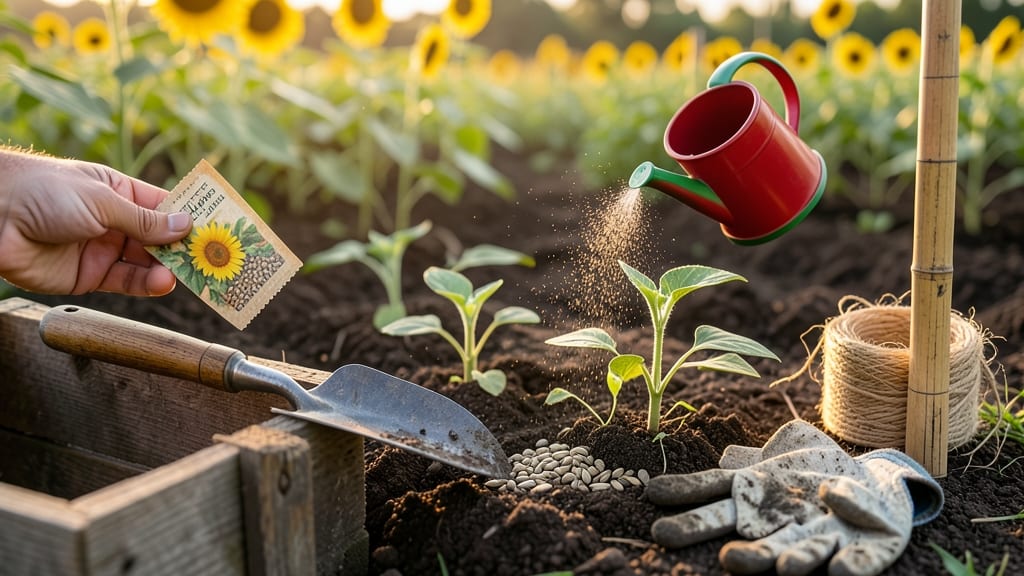
Sow sunflowers 🌻 when soil temperatures hit 50°F (10°C)—that’s the magic threshold between stunted seedlings and sky-high blooms.
Picture this: you’ve waited all winter for those towering 12-foot giants to emerge, only to watch them wilt under a late frost or bolt in the heat. Timing isn’t just about the calendar—it’s about heat-loving roots and frost-sensitive leaves.
From Zone 3’s chilly springs to Zone 11’s early starts, the right moment varies wildly. Dwarf varieties can handle late sowings, while mammoth types need a head start.
I’ll break down the exact windows for your region—and why a two-week difference can mean the difference between a harvest and a flop.
You’ll leave here knowing when to plant for height, seeds, or cut flowers, plus pro tips to stretch your season. No more guessing—just sunflowers that thrive from seed to stem.
USDA Zone planting calendar: best months to direct-sow sunflowers
Sunflowers are warm-season lovers that need consistent heat to thrive, but their exact planting window depends on your USDA zone and local frost dates. In colder zones (3–5), you’ll need to wait until late spring, while warmer zones (9–11) can start as early as February.
The key is planting when soil temperatures hit 50°F (10°C)—any earlier, and your seeds will rot in cold soil.
Most gardeners direct-sow sunflowers outdoors because they hate transplanting. Their long taproots get damaged easily, so starting them indoors isn’t recommended unless you’re in a short-season zone (3–4). Even then, transplant carefully with a clump of soil around the roots to minimize shock.
| USDA Zone | Best Sowing Window | Soil Temp Requirement | Notes |
|---|---|---|---|
| 3–4 | Late May–Early June | 50°F+ (10°C+) | Short season; choose early-maturing varieties |
| 5–6 | Mid-April–Mid-May | 50°F+ (10°C+) | Ideal for giant varieties like 'Mammoth' (12+ ft) |
| 7–8 | Early March–Late April | 55°F+ (13°C+) | Long season; can succession plant for fall blooms |
| 9–10 | February–March | 60°F+ (15°C+) | Year-round growth; avoid summer heat for seed production |
| 11 | January–February | 65°F+ (18°C+) | Tropical climates; shade cloth helps in extreme heat |
In USDA Zones 3–5, where frost lingers late, aim for late May to early June sowing. These zones have the shortest growing seasons, so prioritize early-maturing varieties like 'Teddy Bear' (50–55 days) or 'Autumn Beauty' (55–60 days).
If you’re eager to start earlier, use row covers to protect seedlings from unexpected frosts.
For Zones 6–8, the sweet spot is mid-April to late May. This window ensures your sunflowers get 100+ frost-free days to reach maturity.
In these zones, you can also experiment with succession planting—sow a second batch in early July for fall blooms, especially if you’re growing dwarf varieties like 'Sunspot' (45–50 days).
Warmer zones (9–11) offer flexibility. You can start as early as February, but avoid planting in peak summer heat (above 90°F/32°C), which can stress seedlings.
Instead, opt for fall sowing in September–October for winter blooms. In Zone 11, sunflowers can even grow as perennials if given consistent moisture.
Pro tip: Use a soil thermometer to confirm temperatures before sowing. Sunflower seeds need warm soil to germinate—cold soil will cause them to rot.
If your soil is still chilly, wait a week or two for the temperature to rise naturally, or use black plastic mulch to warm it up faster.
One common mistake is planting sunflowers too close to summer. If sown in July or August, they may not mature before the first frost in cooler zones.
Always check your average first frost date and count backward from your variety’s days to maturity to calculate the ideal planting window.
For cut flowers, aim to sow sunflowers 4–6 weeks before your average first frost date in fall. This ensures they’ll bloom just as summer winds down, giving you long-stemmed, vibrant blooms for arrangements. Varieties like 'ProCut' are bred specifically for
Sunflower variety guide: when to plant for height, seeds, OR cut flowers
Not all sunflowers are created equal—and neither are their planting windows. If you’re growing gigantic varieties like 'Mammoth' (12+ ft), you’ll need to start them early to beat the frost. But dwarf types like 'Teddy Bear' (3–5 ft) can handle late sowing without stress.
The key? Matching your sunflower goals—whether it’s towering stems, seed production, or cut flowers—to the right timing.
Most sunflowers are annuals, meaning they complete their life cycle in one season. However, a few perennial varieties (like Helianthus annuus cultivars) return year after year, requiring slightly different care.
For annuals, timing is everything: plant too early, and seedlings may rot in cold soil; too late, and you’ll miss the 90-day flowering window for many varieties.
🌻 Goal-Specific Planting Guide:
- Max Height: Sow giant varieties (e.g., 'Russian Giant') 4–6 weeks before your last frost date.
- Seed Production: Plant mid-season types (e.g., 'Autumn Beauty') 2–3 weeks after the last frost for a late-summer harvest.
- Cut Flowers: Opt for dwarf or semi-dwarf varieties (e.g., 'ProCut') and sow them 1–2 weeks later than giants to avoid leggy stems.
| Variety Type | Height Range | Best Sowing Time | Ideal Use |
|---|---|---|---|
| Giant Annuals | 10–15 ft | 4–6 weeks before last frost | Seed production, ornamental |
| Standard Annuals | 6–10 ft | 2–3 weeks after last frost | Cut flowers, seeds |
| Dwarf Annuals | 2–4 ft | 3–4 weeks after last frost | Containers, borders, cut flowers |
| Perennial Sunflowers | 3–8 ft | Early spring or fall (Zone 5+) | Pollinator support, long-term blooms |
For perennial sunflowers, timing shifts to favor early spring or fall planting in colder zones (USDA 5–7). These varieties, like Helianthus debilis, establish roots slowly and benefit from a longer growing season.
In warmer zones (8–11), you can sow them year-round, but aim for fall planting to avoid summer heat stress.
Pro tip: If you’re growing sunflowers for cut flowers, prioritize dwarf or semi-dwarf varieties like 'ProCut' or 'Islander'. These stay compact but still produce long-lasting stems.
For seed production, giant varieties like 'Russian Giant' or 'Mammoth' need early starts—sow them indoors 6–8 weeks before your last frost if your growing season is short.
Remember, sunflowers are frost-sensitive but heat-tolerant. In short-season zones (e.g., Zone 3–4), opt for early-maturing varieties like 'Early Bird' (50–55 days) to ensure blooms before frost. In long-season zones (Zone 8–11), you can even succession plant for continuous blooms all summer.