
Blooming
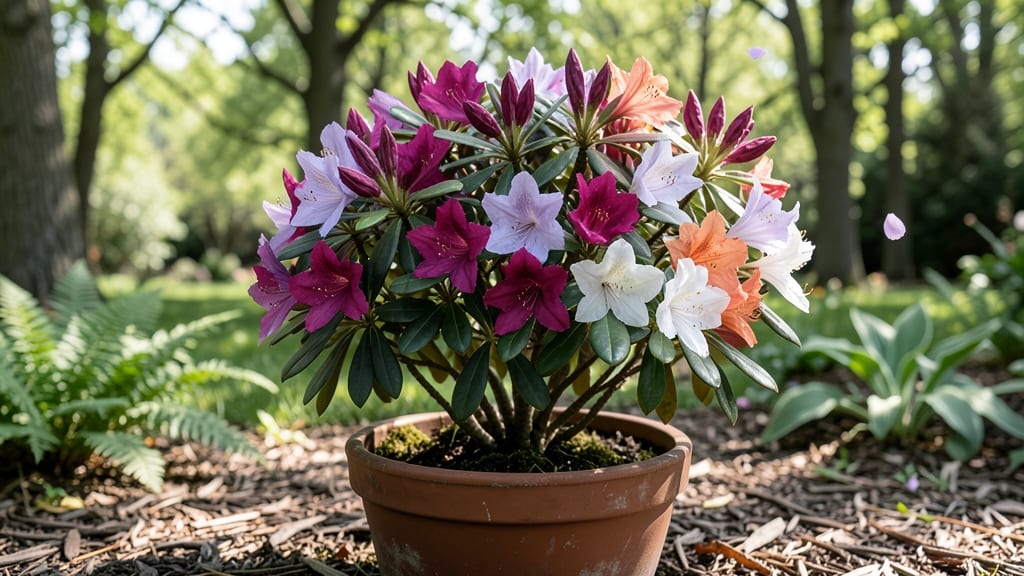
The azalea flower blooming time in early spring 🌸 turns your garden into a splash of color, signaling the end of winter—but the exact moment depends on your variety, location, and a few key care habits.
If you’ve ever waited eagerly for your azaleas to burst into vibrant blooms, you know timing is everything—but why do some plants flower early while others lag behind?
The answer lies in your climate, the type of azalea, and how well you’ve prepared the soil and plant over the past year.
In USDA Zone 6a, most azaleas bloom between late April and early May, but southern varieties can start as early as March, while northern ones may wait until June.
Below, I’ll break down how to predict your azalea’s blooming window, what to watch for in the weeks leading up to those first buds, and the simple care adjustments that can shift your plant’s schedule by weeks.
Azalea blooming seasons: when and why your plant chooses its time
Azaleas are famous for their show-stopping blooms, but their timing varies wildly depending on the variety and climate. Most gardeners expect spring blooms, but some azaleas thrive in fall instead. Understanding these patterns helps you anticipate and encourage the perfect bloom time for your plants.
In USDA zones 6-10, azaleas typically bloom in early spring (March-April) or fall (September-October). The key difference lies in their dormancy requirements—some need a cool winter chill to trigger buds, while others rely on summer heat to kickstart growth.
| Variety Type | Bloom Season | USDA Zones | Key Trigger |
|---|---|---|---|
| Spring Azaleas | March-April | 6-9 | Cool winter chill (30-40°F) |
| Fall Azaleas | September-October | 7-10 | Summer heat (80°F+) |
| Early Spring | February-March | 6-8 | Mild winter, early thaw |
| Late Spring | April-May | 7-9 | Prolonged cool spring |
Spring-blooming azaleas, like the Southern Indica varieties, rely on winter chill hours to break dormancy. If you live in warmer zones (8-10), these plants may bloom later or skip flowering entirely without sufficient cold exposure.
Fall azaleas, such as Kurume hybrids, prefer hot summers to build energy for blooming. In cooler climates (6-7), they may bloom in early spring instead. This shift happens because their growth cycle aligns with summer heat rather than winter chill.
Sunlight plays a critical role in bloom timing. Most azaleas need morning sun and afternoon shade—too much direct sun can delay blooming by stressing the plant. In shady spots, buds may form later or stay smaller due to reduced photosynthesis.
Temperature fluctuations also affect bud development. A sudden warm spell in winter can trick azaleas into blooming too early, only to be damaged by a late frost. Conversely, consistent cool nights (50-60°F) help buds open evenly and last longer.
Dormancy is another key factor. Azaleas need a 6-8 week rest period in cooler temps to recharge energy for next year’s blooms. If you live in a warm-winter zone, consider mimicking dormancy by reducing water and fertilizer in late fall.
For early bloomers, like 'Girard’s Pink', focus on well-draining soil and regular feeding in early spring. Late bloomers, such as 'Hino Crimson', thrive with summer pruning to encourage new growth that blooms later.
If your azaleas aren’t blooming on time, check for nutrient deficiencies (especially phosphorus for flowers) or over-pruning that removes next year’s buds. A simple soil test can reveal if pH imbalances are holding back blooms.
🌸
How to control azalea blooming time: pruning, fertilizing, and care tips
Want to coax your azaleas into blooming earlier or delay their flowers for a longer display? The key lies in understanding three critical factors: pruning timing, fertilizer choices, and seasonal care adjustments.
Unlike many plants, azaleas set their next year’s buds during the current growing season, so how you treat them now determines when—and if—they’ll flower. Let’s break down the proven strategies to take control of your azalea’s blooming schedule.
Your first move should be pruning with purpose. If you want earlier blooms, prune lightly in late spring or early summer after flowering to encourage new growth that will form next year’s buds sooner.
For delayed blooms, hold off until late summer or early fall to push back the flowering window. Just remember: never prune in fall if you’re in a cold climate—this can shock the plant before winter dormancy.
Earlier Blooms vs. Delayed Blooms
Earlier Blooms
- ✅ Prune after blooming (late spring)
- ✅ Use high-phosphorus fertilizer (10-20-10)
- ✅ Water deeply in late summer
- ✅ Provide afternoon shade in hot zones
Delayed Blooms
- ✅ Prune in late summer (after buds form)
- ✅ Use balanced fertilizer (10-10-10)
- ✅ Reduce watering in early fall
- ✅ Expose to more sun in late summer
Fertilizer plays a huge role in blooming time, and choosing the wrong type can delay flowers by months. For earlier blooms, opt for a high-phosphorus fertilizer (like 10-20-10) in late summer to encourage bud formation.
Phosphorus is the bloom booster, signaling the plant to focus on flowers instead of foliage. If you’re aiming for delayed blooms, switch to a balanced fertilizer (10-10-10) in early summer to promote steady growth rather than rushing into flowering.
Don’t underestimate the power of watering adjustments. Azaleas need consistent moisture, but timing matters. To encourage earlier blooms, increase watering in late summer to help roots establish and buds form. For delayed blooms, reduce water slightly in early fall to slow growth and push back flowering.
Always water deeply in the morning to prevent fungal issues and ensure roots get the hydration they need.
Seasonal care is where many gardeners go wrong. Fall is critical: if you want blooms next spring, avoid heavy pruning or fertilizing after mid-September. Instead, focus on mulching with pine needles or oak leaves to protect roots and maintain soil acidity.
In winter, skip fertilizing entirely—azaleas are dormant and won’t respond. Once spring arrives, a light feeding in March with a balanced fertilizer will wake up your plant for the blooming season ahead.
If your azaleas still aren’t cooperating, check for three common mistakes: over-pruning, using alkaline soil, or ignoring pests. Spider mites and scale can drain energy meant for blooms.
Treat infestations with neem oil and test your soil’s pH (4.5-6.0)—if it’s too high, amend with sulfur or peat moss. With the right adjustments, you’ll have stunning azalea blooms right when you want them! 🌸