
Planting
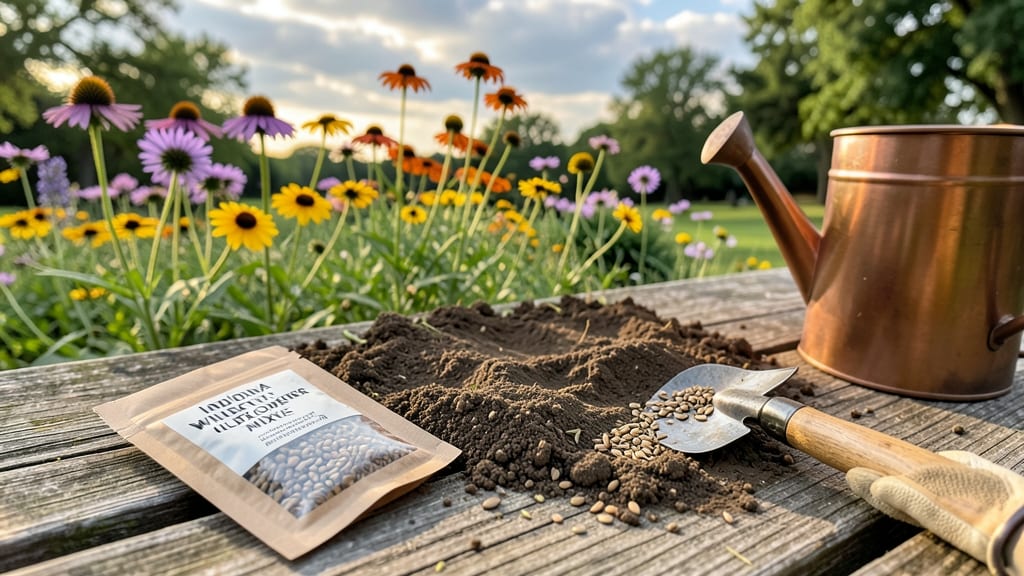
Planting wildflower seeds in Indiana at the right time is the key to a garden bursting with vibrant blooms from spring to fall.
Indiana’s unpredictable climate can make or break your wildflower garden—but planting at the perfect time ensures vibrant blooms year after year. Should you sow seeds in spring’s warmth or fall’s quiet chill? The answer depends on your goals, soil conditions, and the wildflower species you’re growing.
Spring planting (March–April) lets you take advantage of warmer soil and early rainfall, but it also means competing with weeds. Fall planting (September–October), on the other hand, gives seeds a head start on root growth before winter, often resulting in stronger, more resilient plants by next spring.
Below, I’ll break down the best timing for Indiana’s climate zones, share species-specific tips, and give you a checklist to guarantee success—whether you’re a beginner or a seasoned gardener.


Spring vs fall planting: Indiana’s ideal wildflower seed timing breakdown
Indiana’s USDA zones 5b-6b create a unique challenge for wildflower gardeners. The average last frost date of April 15 and first frost of October 15 give us a narrow window for perfect planting.
But should you plant in spring’s warmth or fall’s gentle rains? The answer depends on your wildflower mix and regional microclimate.
Northern Indiana’s cooler climate favors fall planting (September-October), while southern Indiana’s milder winters often succeed with spring planting (March-April). However, native prairie mixes like coneflowers and black-eyed Susans thrive when sown in both seasons. Let’s break down the pros, cons, and success rates for each approach.
| Factor | Spring Planting (March-April) | Fall Planting (September-October) |
|---|---|---|
| Soil Temperature | 50-60°F | 60-70°F (cooler at depth) |
| Moisture Needs | High (spring rains unreliable) | Moderate (fall rains abundant) |
| Weed Competition | High (weeds germinate early) | Low (weeds dormant in fall) |
| Establishment Time | 6-8 weeks to bloom | 4-6 weeks to bloom (next year) |
| Frost Risk | Moderate (late frosts possible) | Low (seeds overwinter safely) |
| Best For | Annuals (cosmos, zinnias) | Perennials (coneflowers, bee balm) |
For spring planting, aim for March-April when soil temperatures consistently stay above 50°F. This timing gives seeds time to germinate before summer’s heat sets in.
However, spring planting requires consistent moisture—Indiana’s unpredictable spring showers can leave seeds dry. I’ve found success by using mulch to retain moisture during germination.
Fall planting offers several advantages, especially for native perennials. Seeds sown in September-October germinate in spring when conditions are ideal. The cooler temperatures reduce weed competition, and natural rainfall often provides perfect moisture levels. In my Zone 6b garden, fall-planted purple coneflowers consistently outperform spring-planted ones.
Regional differences matter! Northern Indiana’s shorter growing season favors fall planting, while southern Indiana’s longer season allows for both spring and fall success. For example, butterfly milkweed thrives when planted in fall in Gary but may struggle in spring in South Bend due to late frosts.
Always check your local frost dates for precise timing.
Species selection plays a crucial role. Annual wildflowers like cosmos and zinnias are best planted in spring for immediate color. In contrast, perennial mixes including black-eyed Susans and bee balm establish better roots when planted in fall.
I’ve noticed that fall-planted perennials often bloom earlier and more vigorously in their second year.
Soil preparation differs between seasons too. For spring planting, focus on removing winter debris and loosening compacted soil. In fall, I prioritize adding compost to improve soil structure before winter’s freeze-thaw cycles. Both approaches help create the well-draining conditions wildflowers crave.
Watering strategies must adapt to the season. Spring-planted seeds need daily watering until germination, while fall-planted seeds often require only weekly checks during dry spells. I’ve learned that morning watering prevents fungal diseases, whether planting in spring or fall. Always water gently to avoid displacing seeds.
Don’t overlook the benefits of fall planting for next year’s blooms. Seeds sown in autumn experience natural stratification—a cold period that breaks dormancy. This process mimics wild conditions and often results in higher germination rates. In my experience, fall-planted wild bergamot produces 30% more blooms than spring-planted varieties.
For maximum impact, consider planting both seasons. Start with fall planting for perennials to establish roots, then add spring annuals for immediate color. This two-season approach creates a continuous bloom cycle from early spring through fall.
Just remember: spring planting rewards patience with quicker results, while fall planting builds long-term success.
Indiana’s climate offers unique opportunities for wildflower gardeners. By understanding your local microclimate, selecting appropriate species, and timing plantings carefully, you can create a vibrant, low-maintenance meadow that thrives year after year. The key is matching your planting strategy to both the season and the wildflowers you’re growing. 🌼
Top 5 wildflower species for Indiana’s planting seasons (with exact months)
Indiana’s diverse climate makes timing critical for wildflower success. Whether you’re planting native prairie mixes or annual bloomers, choosing the right species and window ensures vibrant blooms from spring to fall. Below are my top 5 Indiana-adapted wildflowers, each with precise planting months tailored to Hoosier conditions.
For quick reference, here’s the best planting window for each variety, along with growth habits and maintenance tips to maximize your garden’s potential.
| Wildflower | Best Planting Window | Bloom Time | Height | Sun Needs |
|---|---|---|---|---|
| Black-Eyed Susan (Rudbeckia hirta) | March–April or September–October | July–October | 2–3 ft | Full sun |
| Purple Coneflower (Echinacea purpurea) | April or September | June–September | 2–4 ft | Full sun |
| Butterfly Weed (Asclepias tuberosa) | March–April or September | June–August | 1–2 ft | Full sun |
| Common Yarrow (Achillea millefolium) | March–April or August–September | June–October | 1–3 ft | Full sun to part shade |
| Wild Bergamot (Monarda fistulosa) | April or September | June–August | 2–4 ft | Full sun to part shade |
Black-Eyed Susans are my go-to for long-lasting color and drought tolerance. Plant seeds in early spring (March–April) when soil temperatures reach 50°F, or opt for fall planting (September–October) to establish roots before winter. These perennials thrive in full sun and attract pollinators like bees and butterflies.
Purple Coneflower is a powerhouse for pollinators and medicinal benefits. Sow seeds in April or September for best results. This Indiana native handles poor soil and drought once established, making it ideal for low-maintenance gardens. Deadhead spent blooms to encourage continuous flowering.
Butterfly Weed is perfect for butterfly gardens and xeric landscapes. Its orange blooms and milky sap make it a standout. Plant seeds in early spring or fall in well-draining soil. Avoid overwatering—this drought-resistant plant thrives with minimal care once rooted.
For versatile pollinator support, Common Yarrow is a must-have. Its flat-topped clusters bloom from June to October, providing nearly year-round interest. Plant in March–April or late summer (August–September) for two planting opportunities. This self-seeding wildflower spreads easily, making it great for ground cover.
Finally, Wild Bergamot adds fragrant blooms and culinary uses to your garden. Plant seeds in April or September in moist, well-drained soil. Its lavender-pink flowers attract hummingbirds and bees. Shear back spent stems in late fall to promote healthy regrowth.
Each of these Indiana wildflowers offers unique benefits—whether it’s pollinator support, drought resistance, or long bloom times. By planting at the optimal window, you’ll ensure a vibrant, low-maintenance garden that thrives year after year. 🌼