
Flowers
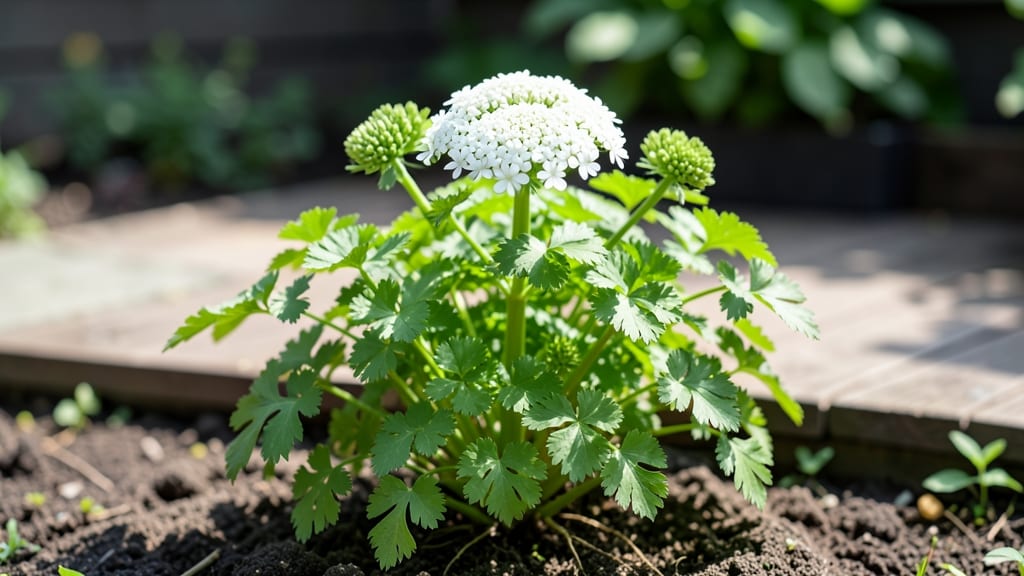
Your cilantro plant’s flowers are a natural part of its life cycle 🌱 — and they’re not just pretty, they’re useful too.
Picture this: you’re reaching for fresh cilantro leaves for your favorite salsa, only to find delicate white or yellow blooms popping up instead. That’s bolting, and while it might seem like a setback, it’s actually a sign your cilantro is thriving.
These flowers can even be harvested for seeds or used to add a unique flavor to your dishes.
But how do you keep your cilantro producing lush leaves instead of flowers? The key lies in timing, care, and a few simple tricks.
Whether you’re dealing with heat stress or just want to extend your harvest season, I’ve got you covered with practical tips to manage your cilantro’s life cycle.
From preventing bolting to making the most of those flowers, you’ll learn how to turn this common gardening challenge into an opportunity for a more productive—and flavorful—garden.


Why cilantro plants develop flowers and what it means for your harvest
Cilantro plants naturally produce delicate white or yellow flowers as part of their life cycle, a process called bolting. When you spot these blooms, it’s your plant’s way of transitioning from leaf production to seed development.
This shift happens when cilantro senses environmental cues like long daylight hours or temperature fluctuations, signaling it’s time to reproduce.
For gardeners focused on leaf harvests, flowering can feel like a setback. Once cilantro bolts, the leaves often become bitter and tough, reducing their culinary appeal. However, understanding why this happens helps you manage growth conditions to delay flowering and extend your harvest window.
🌱 Key Insight: Cilantro flowers are a survival mechanism, not a flaw. The plant prioritizes seed production when stressed or entering its natural reproductive phase.
Cilantro’s flowering response is tied to its genetic heritage as a biennial plant. In ideal conditions—cool temperatures and moderate daylight—it focuses on leaf growth. But when stressed, it shifts priorities to reproductive mode, producing flowers and seeds. This is why gardeners in hot climates often struggle with premature bolting.
Identifying stressed plants early is key. Look for yellowing leaves, tall, leggy stems, or premature flower stalks. These signs indicate your cilantro is reacting to environmental pressures. Addressing these triggers promptly can extend your harvest window by weeks.
One common misconception is that all cilantro varieties bolt at the same rate. In reality, slow-bolting varieties like ‘Calypso’ or ‘Santo’ are bred to resist heat stress better than standard types. Choosing the right variety for your climate can make a significant difference in leaf production.
Temperature plays a crucial role. Cilantro thrives in cool weather (60–70°F). When daytime temps exceed 75°F, the plant perceives it as a signal to bolt. Even nighttime temperatures above 65°F can trigger early flowering. This is why many gardeners opt for fall plantings to avoid summer heat.
Daylight hours also influence bolting. Cilantro is sensitive to daylength changes. In spring and fall, when days are 12–14 hours long, the plant may bolt prematurely.
To counteract this, use shade cloth (30–50%) during peak sunlight hours or grow cilantro in containers that you can move indoors during hot afternoons.
Watering habits directly impact flowering. Inconsistent moisture causes stress, while overwatering can lead to root rot, both of which trigger bolting. Aim for 1 inch of water weekly, adjusting for rainfall. Mulching with straw or compost helps retain moisture and regulate soil temperature, reducing stress signals to the plant.
If you’re growing cilantro for seeds or garnishes, flowering is actually beneficial. The seeds (coriander) are a prized spice, and the flowers add aesthetic value to the garden.
However, if your goal is fresh leaves, take proactive steps to delay bolting by managing temperature, light, and water—giving you a longer harvest season.
How to encourage cilantro flowers: step-by-step gardening techniques
Encouraging cilantro to flower is easier than you think, and it can actually enhance your garden’s productivity. By following a few key steps, you can promote blooming while maintaining leaf production—or even harvest seeds for future crops.
The secret lies in soil preparation, light management, and timing, which I’ll walk you through below.
Cilantro naturally bolts (stems elongate and flower) when stressed or as daylength increases. To encourage this process intentionally, start by creating ideal growing conditions. Well-draining soil rich in organic matter sets the foundation, while staggered sowing ensures a steady supply of blooms throughout the season.
Let’s dive into the exact techniques that work.
-
Step 1: Prepare Nutrient-Rich Soil
Amend your soil with compost or aged manure before planting. Cilantro thrives in loamy, slightly acidic soil (pH 6.2-6.8). Avoid heavy clay, which can cause stress and premature bolting.
-
Step 2: Plant in Full Sun with Partial Shade
Place your cilantro in a spot with 6+ hours of sunlight but provide afternoon shade in hot climates (zones 8+). This balance prevents heat stress, which triggers bolting.
-
Step 3: Use Staggered Sowing for Extended Blooms
Sow seeds every 2-3 weeks from spring to early summer. This ensures a continuous cycle of flowering plants, as older plants bolt while newer ones mature.
-
Step 4: Water Deeply but Infrequently
Water at the base of the plant in the morning to keep soil consistently moist but not soggy. Overwatering or uneven moisture can stress cilantro, accelerating bolting.
-
Step 5: Thin Seedlings Early
Thin seedlings to 3-4 inches apart when they’re 2 inches tall. This reduces competition for nutrients, allowing plants to focus energy on leaf and flower production.
-
Step 6: Harvest Flowers for Seeds
Once flowers appear, let 10-20% of plants mature to harvest seeds. Dry the seed heads in a paper bag, then crush to release coriander seeds for next year’s garden.
-
Step 7: Mulch to Retain Moisture
Apply a 1-inch layer of mulch (straw or shredded leaves) to keep soil cool and retain moisture. This reduces stress triggers that cause early bolting.
If you’re aiming for both flowers and leaves, avoid harvesting leaves once flowering begins. Instead, focus on younger plants in your staggered sowing for fresh cilantro while letting older plants bolt naturally. This dual approach maximizes your garden’s productivity year-round.
For gardeners in hot climates (zones 9-11), consider growing cilantro in fall or winter when temperatures drop below 80°F. Cooler weather slows bolting, giving you more time to enjoy both flowers and leaves before the plant sets seed.
With these techniques, you’ll not only encourage abundant cilantro flowers but also create a self-sustaining cycle of seeds for future harvests. Happy gardening!