
Blooming
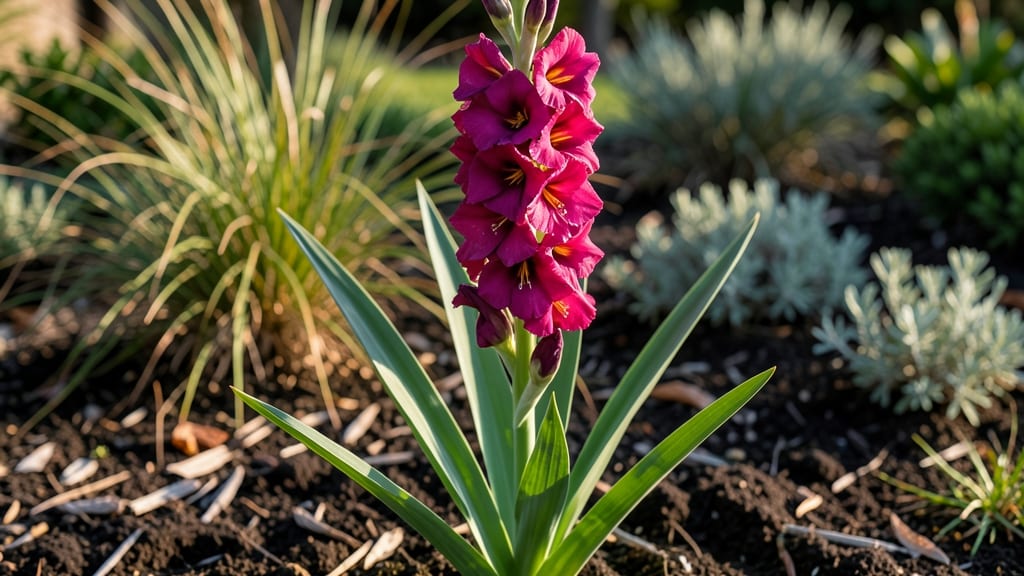
The gladiolus flowering season spans from late June through September 🌸, transforming your garden into a towering display of color—but only if you plant corms at the right time for your USDA zone.
Timing your gladiolus blooms correctly can turn your garden into a vibrant, month-long spectacle—but only if you plant them at the right time for your USDA zone.
Miss the window, and you might end up with tall stems and no flowers, or worse, blooms that arrive too late to enjoy. In Zone 6a, for example, planting in April ensures summer blooms, while warmer zones like 9–11 can stretch the season into October.
What you might not realize is that factors like soil temperature, sunlight exposure, and even the variety you choose can shift your flowering window by weeks. A cool spring delays blooms, while succession planting in late May can extend your display into fall.
The key is understanding how your local climate interacts with the plant’s natural cycle.
In this guide, I’ll break down the exact months your gladiolus will bloom based on your zone, share proven tricks to stagger your blooms for a longer show, and reveal the common mistakes that rob you of vibrant flowers.
By the end, you’ll know exactly when to plant—and how to keep those dramatic spikes coming all season long.
When do gladiolus flowers bloom? Month-by-month timeline by USDA zone
Gladiolus flowers are summer's showstoppers, but their blooming window varies dramatically depending on your USDA zone. In cooler zones like Zone 3-5, you'll see early blooms starting in mid-June, while tropical Zone 10-11 gardens enjoy late-season color until November.
Understanding these patterns helps you plan for a garden that stays vibrant from summer through fall.
The key to timing gladiolus blooms is planting 4-6 weeks before your last frost date, but the real magic happens in how climate affects their development. Warmer zones push blooms earlier, while cooler regions may need heat-loving varieties to perform well.
Let's break down exactly when to expect those dramatic spike-shaped blooms across all USDA zones.
In USDA Zones 3-4, where summers are short, gladiolus blooms arrive as a welcome relief from winter. Start with early-blooming varieties like 'Green Star' or 'Picasso' to ensure you get any flowers at all.
These zones typically see their peak blooming in late July, with late bloomers stretching into mid-September if temperatures remain mild.
For Zones 5-6, the blooming season begins dramatically in early June and continues through October. This extended window makes these zones perfect for succession planting.
Plant corms in three staggered batches—every 2-3 weeks—to enjoy continuous color from June through September. The key is choosing varieties with different maturity dates.
Gardeners in Zones 7-8 enjoy the longest and most reliable blooming windows. Blooms typically start in late May and continue until October, with peak color occurring from June through August.
This extended season allows for multiple planting cycles—even fall plantings can produce winter blooms in milder microclimates. Varieties like 'Black Star' and 'White Prosperity' thrive here.
Warmer Zones 9-10 push the boundaries of traditional gladiolus growing. Planting in late summer or early fall can produce stunning blooms from April through November.
The secret is using heat-tolerant varieties and providing afternoon shade during peak summer heat. In these zones, you can even plant year-round with proper care.
Tropical Zone 11 offers the most unique opportunities. Gladiolus can bloom year-round with the right conditions. Start plantings in March, June, and September for continuous color. The key is maintaining consistent moisture and protecting plants from intense afternoon sun. Varieties like 'African Queen' perform exceptionally well in these conditions.
Regardless of your zone, remember that soil temperature plays a crucial role. Gladiolus corms need soil that's warmed to at least 60°F (15°C) before planting. In cooler zones, consider using black plastic mulch to warm the soil faster. This simple trick can advance blooming by 2-3 weeks in marginal climates.
For maximum impact, pair your gladiolus with complementary perennials that bloom in the same periods. In cooler zones, try black-eyed Susans or coneflowers to extend the color show.
In warmer zones, salvias or gazanias create stunning contrasts. With the right planning, your gladiolus can be the star of your garden from summer through fall
How to extend your gladiolus flowering season with smart planting
If you love the bold, dramatic blooms of gladiolus flowers, you don’t have to settle for a single burst of color. With the right planting strategies, you can stretch their flowering season from early summer through crisp fall.
The secret? Succession planting and smart corm selection—techniques that ensure continuous blooms without overcrowding your garden.
Gladiolus thrive in USDA Zones 5–10, but their bloom timing varies by microclimate and cultivar. By planting different gladiolus varieties in staggered batches, you can create a month-long floral display.
The key is understanding how soil temperature, sun exposure, and watering consistency influence each planting cycle.
- 1. Succession Planting: Plant 3 batches of corms 2 weeks apart for staggered blooms. Example: First batch in early May, second in mid-May, third in early June.
- 2. Choose Early/Late Varieties: Pair early bloomers (e.g., 'Green Star') with late-season types (e.g., 'Black Star') for extended color.
- 3. Warm Up Soil First: Use black plastic mulch 2 weeks before planting to speed up corm sprouting in cooler zones.
- 4. Microclimate Spotlight: Plant heat-tolerant varieties near south-facing walls to delay frost sensitivity.
- 5. Fertilize Strategically: Apply low-nitrogen fertilizer (5-10-10) at planting, then high-phosphorus (10-20-10) when buds form.
For succession planting to work, start with high-quality corms—look for firm, plump bulbs with no soft spots. Plant the first batch 4–6 weeks before your last frost date, then repeat every 2 weeks until mid-summer. This ensures each batch gets 6–8 weeks of growth before blooming.
Don’t overlook microclimate strategies. In Zone 7 or warmer, place late-blooming varieties near heat-reflective surfaces (like light-colored walls) to extend their season. In cooler zones, use row covers to protect late-season blooms from early frost.
Watering plays a critical role in prolonging blooms. Deep watering every 3–5 days (1–1.5 inches per week) encourages strong stems and vibrant flowers. Avoid overhead watering at dusk to prevent fungal diseases like rust, which can shorten the season.
Finally, deadhead spent blooms regularly to redirect energy into new flower spikes. This simple step can add 2–3 extra weeks of color to your gladiolus display. With these techniques, your garden will stay in full summer-to-fall bloom—no gaps, no guesswork.