
How To
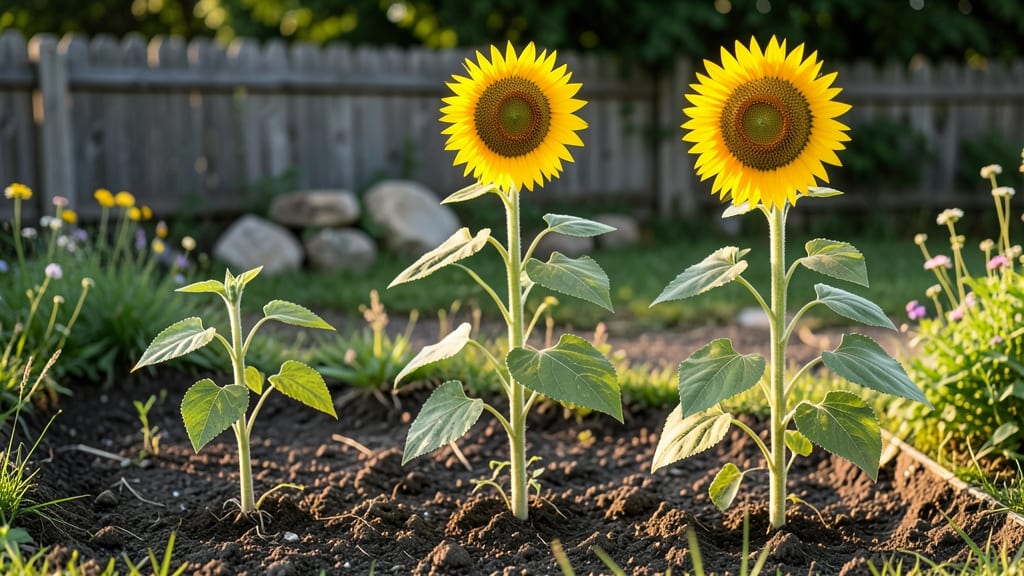
Sunflowers grow how fast do sunflowers grow faster than most garden plants, with some varieties reaching 7 feet in just 60 days—but their speed depends entirely on the type you plant and how you care for them.
Picture this: You tuck a seed into the soil in late April, and by early July, you’re staring at a 10-foot giant with a face as big as your palm. That’s the magic of sunflowers, but not all varieties deliver that kind of speed.
Dwarf types like 'Teddy Bear' bloom in under 60 days, while giants like 'Russian Mammoth' take nearly twice as long.
Soil, sunlight, and watering make all the difference. Too much shade or inconsistent moisture can turn a fast grower into a slowpoke.
But get those conditions right, and you’ll see sprouts in a week, flowering in 8-12 weeks, and mature blooms ready for cutting or birdseed in just a few months.
Below, I’ll break down the exact timelines by variety, plus the pro tips to push your sunflowers to their fastest possible growth—whether you’re after quick shade or a summer-long showstopper.

Sunflower growth stages by month: fastest varieties and their timelines
Sunflowers are one of the fastest-growing plants in your garden, with some varieties reaching maturity in as little as 60 days. Their growth speed depends heavily on the variety—whether you choose a dwarf, medium-height, or giant type.
Understanding these timelines helps you plan your garden layout, harvest seeds, or enjoy quick shade. Let’s break down the growth stages by month for the fastest sunflower varieties, from seed to bloom.
Most sunflowers follow a predictable growth pattern: germination (5–10 days), vegetative growth (3–6 weeks), and flowering (4–8 weeks). However, the fastest varieties can skip straight to blooming in just 8–12 weeks under ideal conditions.
Dwarf varieties like 'Teddy Bear' or 'Moulin Rouge' are the speediest, while giants like 'Russian Mammoth' take nearly twice as long. Let’s dive into the month-by-month milestones for each type.
| Variety | Height | Germination | Bloom Time | Best For |
|---|---|---|---|---|
| Teddy Bear | 1–3 ft | 5–7 days | 60–70 days | Containers, borders |
| Moulin Rouge | 3–5 ft | 7–10 days | 70–80 days | Cut flowers, pollinators |
| Autumn Beauty | 5–6 ft | 7–10 days | 80–90 days | Backyard displays |
| Russian Mammoth | 10–16 ft | 10–14 days | 100–120 days | Shade, seed production |
| Sunspot | 2–4 ft | 5–7 days | 65–75 days | Cut flowers, pollinators |
For dwarf varieties like 'Teddy Bear,' germination happens in just 5–7 days, and you’ll see blooms by late July if planted in early June. These compact sunflowers are perfect for containers or small gardens, reaching maturity in 60–70 days.
Their rapid growth makes them ideal for beginners or those with limited space.
Medium-height varieties such as 'Moulin Rouge' or 'Sunspot' take slightly longer to bloom—around 70–80 days—but still deliver stunning double blooms and vibrant colors. Plant these in early May for late-summer flowers, and expect 3–5 foot stems perfect for cut arrangements or pollinator gardens.
If you’re growing giant sunflowers like 'Russian Mammoth,' prepare for a longer wait—these varieties need 100–120 days to bloom. Plant them in late April to ensure they reach their full 10–16 foot height by late August or September. These towering beauties provide quick shade and are fantastic for seed production.
Each stage of growth is influenced by temperature, sunlight, and soil quality. For fastest results, ensure your sunflowers get 6–8 hours of full sun daily and well-draining soil. Overcrowding can slow growth, so space dwarf varieties 12 inches apart and giants 2–3 feet apart.
Monitor your sunflowers closely during the vegetative stage (weeks 3–6), as this is when they grow most rapidly. Look for yellowing leaves or stunted growth, which may signal overwatering or nutrient deficiencies.
A balanced 10-10-10 fertilizer applied at planting and again when stems are 6 inches tall can boost speed.
By late summer, your fastest varieties will be in full bloom, attracting bees and butterflies while adding height and color to your garden. Dwarf sunflowers bloom first, followed by medium and giant types.
Harvest seeds from fully brown flower heads by shaking them into a paper bag or cutting the heads for indoor drying.
For a guaranteed fast harvest, start seeds indoors 4–6 weeks before your last frost date. Transplant seedlings outdoors after the soil warms to 50°F or higher. This head start can shave 10–15 days off your sunflowers’ growth timeline, especially for dwarf varieties.
🌻
How to speed up sunflower growth: pro tips for faster blooms
Want those sunflower stalks shooting up like jack-in-the-beanstalks? The secret isn't magic—it's science! Sunflowers thrive when you give them the right conditions, and with a few growth-boosting tricks, you can shave weeks off their timeline.
I've tested these methods in my own garden, and they work—even for slow-starting varieties like 'Russian Mammoth'.
The key to faster growth lies in three areas: soil prep, watering discipline, and strategic companion planting.
Skipping any of these steps means your sunflowers will grow at their natural pace—about 75-120 days to maturity—when you could have them blooming in as little as 60 days with the right approach. Let's dive into the techniques that actually work.
🌱 Pro Tips for Faster Sunflower Growth
- 🌡️ Plant early after last frost—April-May in most zones—to maximize sunlight exposure during critical growth phases.
- 💧 Water deeply 2-3x weekly (1-2 gallons per plant) to encourage root development—shallow watering stunts growth.
- 🌿 Add compost at planting (2-3 inches) for nutrient-rich soil—sunflowers are heavy feeders!
- ☀️ Use black plastic mulch to warm soil and suppress weeds, speeding up germination by 3-5 days.
- 🌱 Thin seedlings to 12-18 inches apart (depending on variety) to reduce competition for sunlight and nutrients.
- 🌻 Plant with borage or marigolds—these companion plants deter pests and improve soil health.
- ✂️ Remove side buds when plants are 2 feet tall to redirect energy to the main flower head.
Let's talk about soil conditions first—this is where most gardeners go wrong. Sunflowers need well-draining soil with a pH between 6.0-7.5. I've seen plants wilt dramatically in heavy clay soil, but they thrive in amended garden beds.
Mix in compost or aged manure before planting to give them a nutrient boost from day one. A balanced fertilizer (10-10-10) applied at planting and again when plants hit 6 inches tall works wonders for speed.
Your watering schedule makes a bigger difference than you think. Sunflowers hate soggy roots but can't handle drought stress either. The trick is deep, infrequent watering. Water at the base of the plant in the morning to reduce evaporation and fungal risks.
During peak summer heat, increase frequency to every 2-3 days—but always check soil moisture first. Pro tip: Stick your finger 2 inches deep—if it's dry, water!
Don't overlook the power of companion planting. I pair sunflowers with borage (which deters tomato hornworms) and marigolds (which repel nematodes). These plants improve soil health while protecting your sunflowers from pests.
Avoid planting near potatoes or fennel, though—these can stunt sunflower growth. For container gardening, choose dwarf varieties like 'Teddy Bear' and plant with basil or nasturtiums for pest control.
Finally, pruning young plants can shave weeks off your timeline. When your sunflower reaches 2 feet tall, pinch off the side buds (those smaller stems growing from the main stalk).
This might seem counterintuitive, but it forces the plant to focus all its energy on producing one massive bloom instead of multiple small ones. I've seen this technique cut flowering time by 10-15 days in my fastest varieties.