
How To
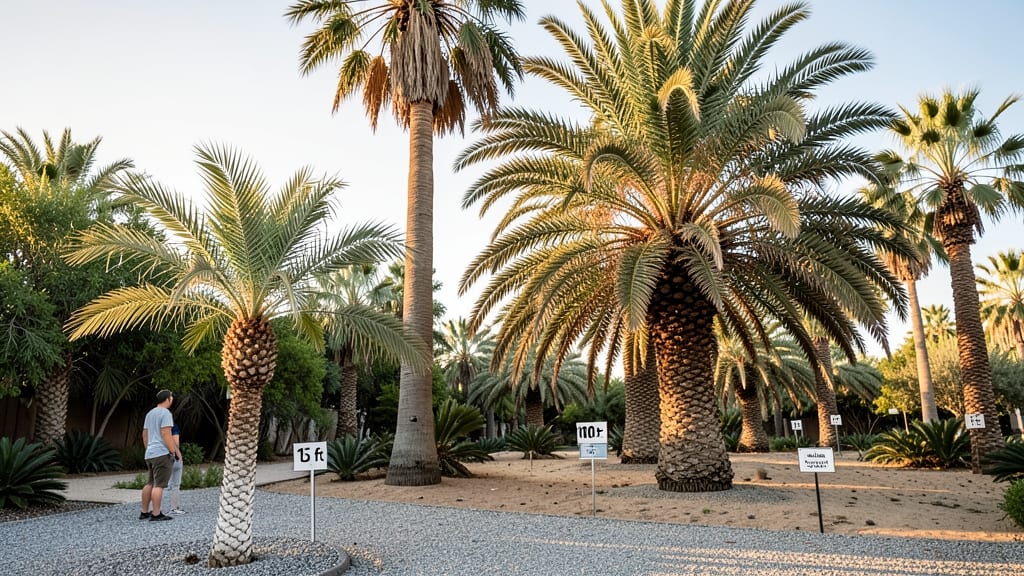
How tall can a palm tree grow? The answer spans a breathtaking range—from a modest 6 feet to a staggering 200 feet, depending on the species and growing conditions—a range that turns your backyard into a tropical paradise or a coastal skyline.
If you’ve ever dreamed of a towering palm tree in your backyard—or simply want to know which species can reach skyscraper heights—this guide reveals the jaw-dropping heights of the world’s tallest palm varieties, from coastal giants to compact backyard dwarfs.
Some palms, like the coconut palm 🌴, grow 100 feet or more, while others, such as the pygmy date palm, stay under 6 feet tall.
The difference comes down to genetics, climate, and care—so whether you’re planning a lush landscape or just curious about these tropical giants, you’ll find out how tall your palm can really grow.
From dwarf varieties perfect for patios to towering specimens that dominate landscapes, we’ll break down the factors that influence height—so you can choose the perfect palm for your space and climate.

Tallest palm tree species: heights that defy expectations
If you’ve ever wondered how tall can a palm tree grow, prepare to be amazed. Some palm species reach heights that rival urban skyscrapers, while others stay manageable for suburban yards. The tallest palm tree species can soar over 200 feet, creating dramatic focal points in landscapes.
These giants thrive in tropical and subtropical climates, but many adapt well to coastal gardens or even container growing with proper care.
The coconut palm (Cocos nucifera) holds the record as the tallest palm tree in the world, with mature specimens reaching 100–120 feet in their native habitats. Even in landscaping settings, they can grow 80+ feet tall, making them a statement piece for large properties.
Their rapid growth rate—3–6 feet per year—means they’ll quickly become the centerpiece of your outdoor space.
But coconut palms aren’t the only towering options. The royal palm (Roystonea regia) and bismarck palm (Bismarckia nobilis) also climb to impressive heights, often exceeding 60–80 feet in ideal conditions.
These species are prized for their arching fronds and drought tolerance, making them perfect for arid climates like those in Southern California or Arizona.
Here’s a snapshot of the 10 tallest palm tree species and their staggering heights, along with their growth habits and ideal growing conditions:
The coconut palm isn’t just the tallest—it’s also one of the fastest-growing palms, making it ideal for quick landscape transformations. In coastal areas, these palms can grow up to 10 feet taller per year when given rich, sandy soil and regular watering.
However, their massive size requires ample space—plant them at least 20 feet from structures to avoid root damage or falling fronds.
For those with smaller yards, the bottle palm or pygmy date palm
Factors that influence palm tree height growth
When I first planted my Washingtonia filifera palm, I expected it to grow tall quickly—but after years of slow gains, I realized genetics and environment play huge roles. Species selection is the foundation: some palms like the coconut palm (Cocos nucifera) naturally reach 100+ feet, while others like pygmy date palms (Phoenix roebelenii) max out at 6 feet.
Even within species, growth potential varies by climate adaptation and care practices.
Your local climate conditions directly impact height potential. High humidity and warm temperatures (zones 9-11) accelerate growth in species like the royal palm (Roystonea regia), which can add 3-5 feet annually in ideal settings.
Conversely, cooler climates or frost exposure stunt growth—my Mexican fan palm (Washingtonia robusta) in Zone 8 grows only half as fast as identical specimens in Zone 10. Even soil quality matters: compacted or clay-heavy soils restrict root expansion, limiting a palm's ability to support its full height potential.
⚠️ callout warning
Even fast-growing species like Archontophoenix cunninghamiana (bungalow palm) can be genetically limited to 30-50 feet—but poor care cuts potential by 30-50%. Over-pruning removes growth points, while underwatering causes root stress. My coconut palm grew only 2 feet in 3 years until I corrected watering frequency and fertilizer balance.
🌱 Key Fix: Test soil drainage and pH—palms thrive in 6.1-7.5 pH with well-draining soil.
Water access is another critical factor—deep, infrequent watering encourages strong root systems that support height growth. Surface watering leads to shallow roots and top-heavy trunks that snap under their own weight.
I learned this the hard way when my California fan palm (Washingtonia californica) developed a lean after inconsistent watering. Drought stress also triggers frond browning, diverting energy away from vertical growth.
For container-grown palms, ensure pots have drainage holes and use well-aerated mixes with perlite or orchid bark.
Pruning practices can either accelerate or stunt height growth. Removing dead fronds is essential, but over-pruning the crown shaft eliminates future growth points. I made this mistake with my Mediterranean dwarf palm (Chamaerops humilis), which stopped growing upward after aggressive trimming. Selective pruning—removing only brown or damaged fronds—allows the palm to allocate energy to new frond production and trunk elongation. For tall species, avoid topping unless removing dead crowns—this can permanently halt vertical growth.
Even with perfect conditions, age and maturity dictate height limits. Slow-growing palms like the parlor palm (Chamaedorea elegans) reach their 6-foot maximum in 10-15 years, while fast growers like the coconut palm may take 20-30 years to reach 100 feet.
Patience is key—I planted a sabal palm (Sabal palmetto) as a 3-foot sapling 12 years ago, and it’s now 25 feet tall with 15 more years to go. Understanding your palm’s species-specific timeline helps set realistic expectations for height growth.
Finally, container size limits height potential for potted palms. Roots circling in small containers restrict nutrient uptake, causing stunted trunks. My 15-gallon container limited my pygmy date palm to 4 feet—upgrading to a 50-gallon pot with fresh potting mix jumpstarted its growth.
For outdoor palms, ensure adequate root space (minimum 3 feet of soil depth) and mulch annually to retain moisture and nutrients.
With the right conditions, even smaller species can exceed expectations—just ask my 8-foot tall windmill palm (Trachycarpus fortunei), which thrives in Zone 7 despite its typically cold-hardy reputation.