
Size
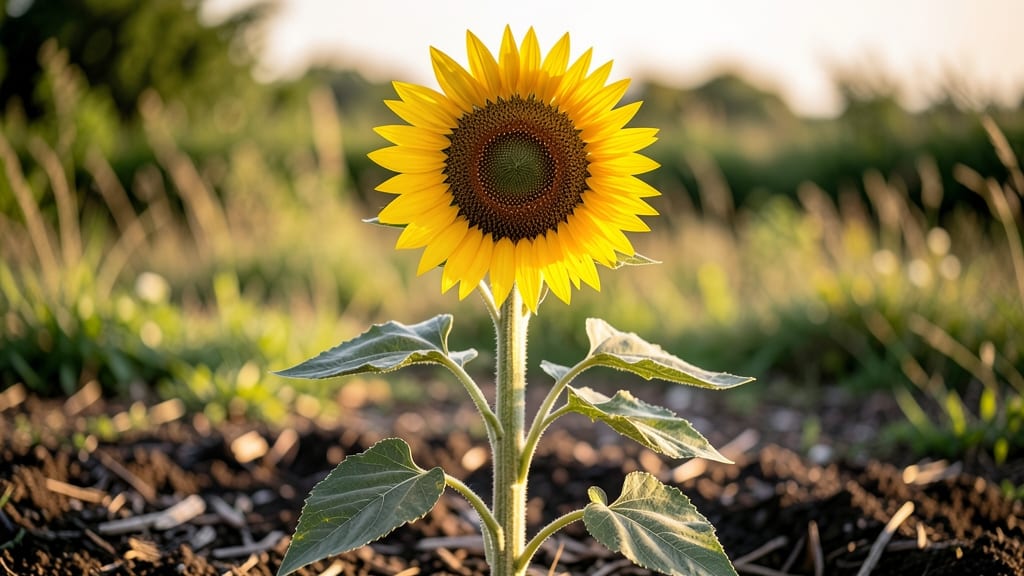
Mammoth sunflowers 🌻 can reach heights of 12 to 16 feet, making them the towering stars of any garden—but their size isn’t just about show.
Imagine a sunflower so tall it blocks your view of the neighbor’s fence, its thick stems swaying in the breeze like skyscrapers in a park. These giants aren’t just for bragging rights; their height and sturdy stems demand a different approach to planting, staking, and space planning than smaller varieties.
Whether you’re dreaming of a dramatic backyard centerpiece or just curious about how much room to leave between plants, understanding their growth habits is the key to success.
From the 8-foot first-year sprouts to the 16-foot monsters by their third year, these sunflowers grow fast—and they need the right conditions to thrive.
Inside, you’ll find out how to support their massive frames, when to expect them to hit their peak, and why some varieties stay shorter while others shoot for the sky. Let’s get growing!
Mammoth sunflower varieties: height ranges and growth characteristics
When planning your garden for Mammoth sunflowers, their impressive height is the first thing that catches your eye. These varieties aren't just tall—they're architectural statements that can reach 12 to 16 feet at maturity, making them perfect for creating focal points or even providing shade in your outdoor space.
The exact height depends on the specific cultivar, with some varieties like 'American Giant' pushing the limits to 15+ feet under ideal conditions.
What makes these sunflowers so towering? Their genetics play a crucial role. Mammoth sunflowers are bred for height through selective cultivation, resulting in thick, sturdy stems that can support massive flower heads often measuring 12 to 16 inches in diameter.
These traits aren't just for show—they also influence how you'll need to care for them, from spacing requirements to support structures.
Genetics also explain why some years your Mammoth sunflowers might grow taller than others. Factors like day length, temperature, and soil fertility can push them to reach their maximum potential or hold them back. For example, 'Mammoth Russian' tends to grow 10 to 14 feet in most climates, but in warmer regions with longer growing seasons, they can easily surpass 15 feet.
Here’s a quick breakdown of how these giants compare in terms of height and growth characteristics:
| Variety | Avg. Height | Stem Thickness | Flower Size | Growth Rate |
|---|---|---|---|---|
| Mammoth Russian | 10–14 ft | 2–3 inches | 12–14 inches | Fast (6–8 ft/month) |
| American Giant | 12–16 ft | 3–4 inches | 14–16 inches | Very Fast (8+ ft/month) |
| Mammoth Single | 8–12 ft | 1.5–2.5 inches | 10–12 inches | Moderate (5–7 ft/month) |
| Giant Single | 10–14 ft | 2–3 inches | 12–14 inches | Fast (6–8 ft/month) |
The stem thickness of Mammoth sunflowers is another key factor in their growth. Thicker stems, like those found in 'American Giant' varieties, provide better stability and can support even larger flower heads.
This is especially important if you're growing them in windy climates, where thinner stems may require additional support like staking or trellising.
If you're growing Mammoth sunflowers for the first time, pay close attention to their growth rate. These varieties can grow 6 to 8 feet per month under ideal conditions, which means they’ll reach their full height in just 2 to 3 months.
This rapid growth is one reason they’re such a popular choice for gardeners looking to make a bold statement quickly.
One common misconception is that all Mammoth sunflowers grow to the same height. In reality, 'Mammoth Single' varieties tend to be slightly shorter, averaging 8 to 12 feet, while 'American Giant' can surpass 15 feet.
This variation is due to differences in their genetic makeup, which also affects their flower size and stem strength. For example, 'Mammoth Russian' produces slightly smaller flowers but has a more consistent height range.
When planning your garden, consider how these heights will interact with your space. A 15-foot sunflower can easily block sunlight from reaching nearby plants, so place them where they won’t cast too
How to plan your garden for giant sunflowers: spacing, support, and sunlight needs
Giant Mammoth sunflowers can reach heights of 12–16 feet, making them architectural stars in any garden. Their massive flower heads (up to 16 inches wide) and thick stems (3–5 inches in diameter) require careful planning to ensure they thrive without toppling or competing for resources.
Proper spacing, support, and sunlight exposure are non-negotiable for these sun-loving giants.
When designing your layout, prioritize full-sun locations with 6+ hours of direct sunlight daily. These sunflowers are not just tall—they’re light-hungry, and insufficient sunlight leads to leggy stems and weak blooms.
Additionally, their root systems spread widely, so avoid planting them too close to structures, fences, or other plants that might shade them as they grow.
⚠️ callout-warning
A 14-foot sunflower needs 18+ inches of spacing and deep, loose soil to support its weight. Crowding them stunts growth, weakens stems, and increases disease risk from poor airflow. Never plant them closer than 12 inches apart—or risk flopping flowers and broken stems! 🌻
Start by spacing seeds 12–18 inches apart in rows that are 2–3 feet apart to allow airflow and easy access for maintenance. As seedlings grow, thin them to the strongest 18-inch spacing to prevent competition.
For windy areas, consider planting them near a fence or trellis to reduce swaying, which can snap stems mid-season.
Support is critical for these towering plants. Use bamboo stakes or metal cages inserted 6–12 inches deep at planting time. Tie stems loosely with soft plant ties every 3–4 feet as they grow, adjusting as needed.
Avoid tight ties that can girdle the stem—gentle support is key. For extra stability, add a second stake on the opposite side if your garden experiences strong winds.
Poor soil drainage is another common mistake that stunts growth. Mammoth sunflowers thrive in well-draining, fertile soil with a pH of 6.0–7.5. Amend heavy clay soil with compost or sand to prevent root rot, and avoid waterlogged areas.
Mulch around the base with 2–3 inches of straw or wood chips to retain moisture, suppress weeds, and regulate soil temperature.
Finally, monitor your sunflowers for signs of stress like yellowing leaves (often from overwatering) or drooping blooms (usually underwatering or insufficient sunlight). Adjust your care routine accordingly—these giants reward attentive gardeners with dramatic, sun-soaked blooms that last from midsummer into fall.
With the right planning, your Mammoth sunflowers will become the showstopper of your garden! ☀️🌻