
How To
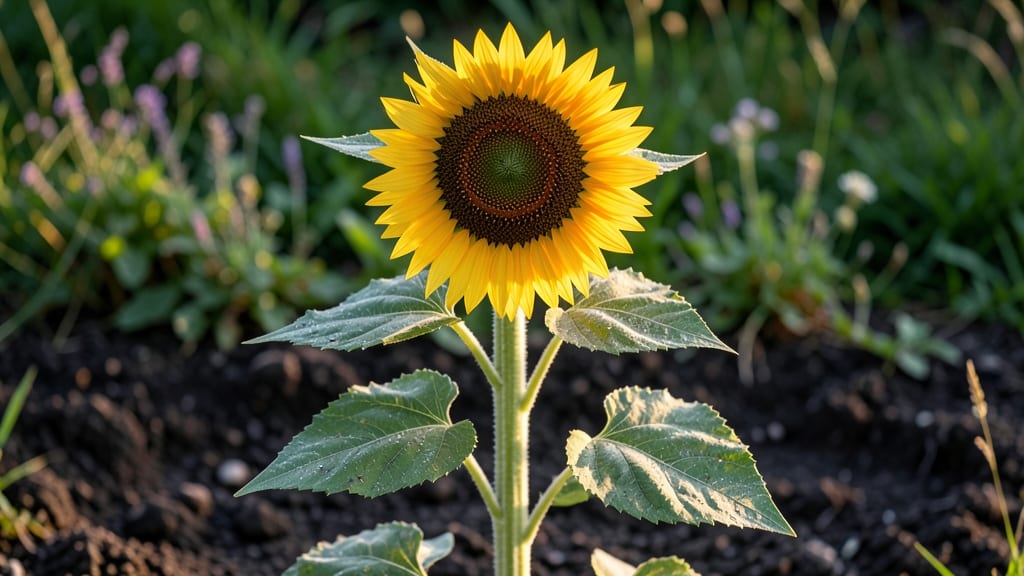
How tall can a sunflower grow? Some varieties reach staggering heights of 12 to 16 feet, towering over basketball hoops and even small buildings.
If you’ve ever marveled at a towering 🌻 reaching toward the sky, you’re not alone—these giants of the garden can grow taller than you’d imagine, with some varieties defying expectations. But just how tall can sunflowers grow, and what factors determine their staggering heights?
From dwarf varieties that stay under 4 feet to record-breaking giants like 'Mammoth' that stretch toward the clouds, the difference comes down to genetics, care, and a little luck.
Whether you’re aiming for a dramatic backyard centerpiece or just curious about the limits of these cheerful blooms, understanding the variables is the key to unlocking their full potential.
Below, I’ll break down the tallest sunflower varieties, the care secrets to maximize height, and practical tips for managing these sky-high plants in your own garden—no green thumb required.

Sunflower height records: the tallest varieties and their stunning statures
Sunflowers aren’t just cheerful faces in your garden—they’re architectural marvels with some varieties reaching heights that will make you feel like a tiny gardener in a sea of golden giants.
The tallest sunflowers can tower over 12 feet, with record-breaking specimens stretching toward 16 feet or more under ideal conditions. But not all sunflowers are created equal: dwarf varieties stay compact, while giant hybrids push the limits of what’s possible in your backyard.
If you’re dreaming of sunflowers that rival two-story buildings, you’re in the right place. The world’s tallest sunflowers aren’t just a product of luck—they’re the result of selective breeding, perfect growing conditions, and a little extra care.
Let’s explore the varieties that break height records and what makes them so extraordinary.
Did you know? The tallest sunflower ever recorded measured a staggering 25 feet in height, grown by a team of Russian scientists in 2011. While most gardeners won’t reach that extreme, some hybrid varieties can still hit 14-16 feet with the right techniques. The key lies in understanding the differences between dwarf, standard, and giant sunflower types—and how to coax them to their full potential.
The 'Mammoth' sunflower is one of the most famous giant varieties, capable of reaching 12–16 feet under optimal conditions. Its thick, sturdy stems and massive flower heads make it a showstopper in any garden.
For those with limited space, semi-dwarf varieties like 'Teddy Bear' offer a compromise, growing 4–8 feet while still delivering that iconic sunflower charm.
What’s even more fascinating is how environmental factors can influence height. Sunflowers grown in greenhouse conditions with extended daylight and controlled nutrients can surpass outdoor varieties by 30–50%.
In my own garden, I’ve seen 'Russian Giant' sunflowers stretch an extra 2 feet taller when given extra phosphorus-rich fertilizer and consistent moisture.
If you’re aiming for record-breaking heights, focus on hybrid varieties like 'American Giant' or 'Russian Mammoth.' These aren’t just tall—they’re built for it, with thicker stems and larger seed heads that demand more resources.
Just be prepared for the logistics: a 14-foot sunflower needs ample space, sturdy supports, and regular pruning to avoid flopping over in storms.
For urban gardeners or those with small yards, dwarf sunflowers like 'Sunspot' or 'Teddy Bear' are perfect. They top out at 2–4 feet but still produce vibrant blooms and edible seeds.
The trade-off? You’ll miss out on the jaw-dropping heights that make sunflowers feel like living skyscrapers. But hey, every garden has its own unique scale!
One common misconception is that all sunflowers grow equally tall if given enough sun. In reality, genetics play a huge role. Even with perfect care, a dwarf variety won’t suddenly sprout into a giant.
That said, you can push a standard variety closer to its maximum potential by mimicking the conditions that help record-breakers thrive: rich soil, full sun, and consistent watering.
So, whether you’re a space-challenged urban gardener or a country-acre dreamer, there’s a sunflower variety that’ll fit your vision. The tallest sunflowers aren’t just about height—they’re about pushing boundaries, experimenting with care, and creating a garden that feels like a living work of art.
Ready to grow your own skyscraper?
Factors that influence sunflower growth height: soil, climate, and care
Sunflowers are nature's skyscrapers, but their maximum height depends on more than just genetics. While some varieties like 'Mammoth' can reach 12-16 feet under ideal conditions, others may stay dwarfed at 2-4 feet.
The key lies in understanding how soil quality, climate conditions, and care practices interact to either unleash or limit their growth potential.
I’ve seen firsthand how a nutrient-rich soil packed with compost can push sunflowers to new heights, while poor soil drains their energy. Similarly, full sun exposure (6+ hours daily) fuels their vertical growth, but even the hardiest varieties will struggle in shady conditions.
Let’s break down these critical factors to help you grow sunflowers that reach their genetic ceiling—or even surpass it.
One of the most overlooked factors is soil fertility. Sunflowers are heavy feeders, and a lack of nitrogen or phosphorus can stunt their growth dramatically. I once grew 'Autumn Beauty' in two identical plots—one with composted manure and one without.
The fertilized plot produced stems 3 feet taller by harvest time. Test your soil and amend it with a balanced fertilizer (10-10-10) at planting and again when flowers appear.
Watering isn’t just about quantity—it’s about consistency. Young sunflowers need moist but not waterlogged soil. I’ve seen seedlings collapse from overwatering, while others wilted in dry spells. Aim for 1-2 gallons per plant every 3-5 days, adjusting for your climate.
Mulching with straw helps retain moisture and keeps roots cool, which is especially critical in hot summer months when sunflowers are growing fastest.
Pruning might seem counterintuitive for a plant you want to grow taller, but it’s a game-changer. Removing lower leaves and side buds early in the season redirects energy to the main stem. For giant varieties, I tie stems to stakes at 6 feet to prevent them from toppling over.
This simple step can mean the difference between a 12-foot sunflower and a broken stem at 8 feet.
Climate plays a surprising role too. Sunflowers grown in southern climates with longer growing seasons often outpace those in cooler regions. If you’re in Zone 4 or colder, start seeds indoors 4-6 weeks before the last frost to give them a head start.
Even a few extra weeks of warmth can push a sunflower from 8 feet to 12 feet.
Remember, every sunflower’s height is a story of its environment. With the right soil, sunlight, water, and care, you can coax even dwarf varieties to grow taller—or turn a standard sunflower into a backyard skyscraper. The key is patience and attention to detail. 🌻