
Pests
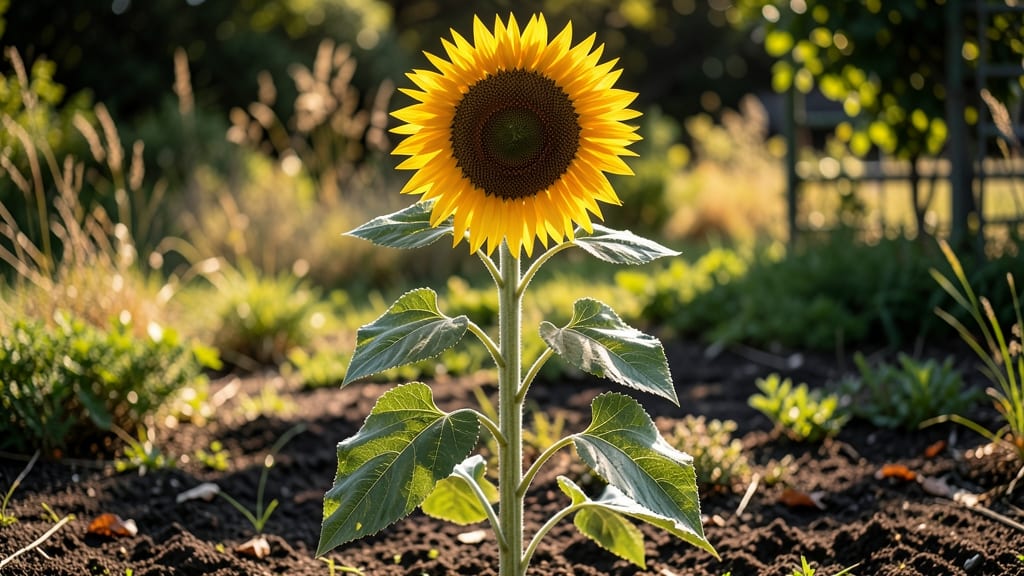
Growing the world’s tallest sunflowers 🌻 means reaching for heights of 12 feet or more, a feat that blends science with patience—and a few gardening secrets.
Imagine a sunflower towering over your fence, reaching heights of 12 feet or more—this isn’t just a dream, but a reality for dedicated gardeners who’ve mastered the art of coaxing these giants from seed to sky.
Sunflowers like the 'Mammoth Russian' variety can hit 15 feet with the right conditions, but it takes more than just planting seeds in spring. Soil prep, watering discipline, and sunlight exposure all play a role in unlocking their full potential.
In this guide, I’ll walk you through the exact steps to grow sunflowers that dwarf your neighbors’—from selecting the tallest varieties to avoiding the mistakes that stunt growth.
How to grow the world’s tallest sunflowers: key techniques for giant stems
Growing a 12-foot sunflower isn’t just about luck—it’s science combined with precise care. The world’s tallest sunflowers reach these heights through careful selection of giant sunflower varieties, nutrient-rich soil, and consistent environmental conditions.
I’ve grown Mammoth Russian sunflowers that topped my 10-foot fence, and I’ll share the exact techniques that made it possible.
Sunflowers thrive on full sun exposure (6-8+ hours daily) and deep, well-draining soil with a pH between 6.0 and 7.5.
The key to maximizing height lies in understanding their growth phases: rapid stem elongation begins 4-6 weeks after germination, so this is when you’ll see the most dramatic height gains. Let’s break down the essential steps to grow sunflowers that rival skyscrapers.
Comparison Table: Tallest Sunflower Varieties vs. Growth Conditions
| Variety | Max Height | Sunlight Needs | Soil pH | Watering Schedule |
|---|---|---|---|---|
| Mammoth Russian | 12-15 ft | Full sun (8+ hrs) | 6.0-7.5 | Deep water 2-3x/week |
| Russian Giant | 10-14 ft | Full sun (6-8 hrs) | 6.0-7.0 | 1-2 gallons/plant |
| American Giant | 10-12 ft | Full sun (7+ hrs) | 6.5-7.5 | Morning watering |
| Colossus | 14-16 ft | Full sun (8+ hrs) | 6.0-7.0 | Deep soaking weekly |
First, choose a tall sunflower variety bred for height. Mammoth Russian and Colossus are top performers, often exceeding 12 feet with ideal care. Start seeds indoors 4-6 weeks before your last frost date, or sow directly in well-warmed soil (at least 55°F).
I plant mine in late April in USDA Zone 6a, ensuring they have 120+ frost-free days to mature.
Prepare your soil by amending it with compost or aged manure to boost organic matter. Sunflowers are heavy feeders, so mix in a balanced fertilizer (10-10-10) at planting time. Avoid fresh manure, which can burn young roots.
Test your soil’s pH level—aim for 6.0-7.5—and adjust with lime or sulfur if needed. My 14-foot sunflowers grew in soil with 3% organic matter and a pH of 6.8.
Watering is critical for height growth. Sunflowers need 1-2 gallons of water per plant every 2-3 days during their rapid growth phase. Water deeply in the morning to reduce fungal risks and encourage deep root development.
I use a soaker hose to deliver water slowly, keeping the soil consistently moist but not waterlogged. Overhead watering can weaken stems, making them prone to lodging (falling over).
Sunlight is non-negotiable—6-8+ hours of direct sun is essential for tall growth. Place your sunflowers in the sunniest spot in your garden, ideally facing south. If you’re in a shady area, consider using a reflective surface (like white plastic) nearby to maximize light exposure.
My record-breaking sunflowers received 9+ hours of sun daily during peak summer months.
Support your sunflowers early to prevent stem breakage as they grow. Install stakes or cages (at least 8 feet tall) when plants reach 2 feet in height. I use bamboo stakes tied loosely with soft plant ties to avoid restricting growth.
Avoid tying too tightly—sunflower stems need room to expand by 1-2 inches per day during their growth spurt.
Monitor for pests and diseases that can stunt growth. Aphids and spider mites are common, but a strong spray of water or neem oil usually suffices. Fungal issues like powdery mildew thrive in humid conditions, so space
Top 5 sunflower varieties that can reach 12 feet or more
If you're dreaming of sunflowers that dwarf your fence and neighbors' gazes, you'll need the right varieties. The world's tallest sunflowers aren't just impressive—they're a testament to proper care and genetics.
These giants can reach 12 feet or taller with the right conditions, turning your garden into a sunflower skyscraper. Let's explore the top five towering varieties that make this possible.
Growing sunflowers this tall requires more than just space—it demands nutrient-rich soil, consistent watering, and full sun exposure. The varieties below are proven performers, but don’t expect miracles without the right care.
Each brings unique traits, from disease resistance to rapid growth, making them ideal for ambitious gardeners.
The Mammoth Russian variety holds the record for the world's tallest sunflower, with some specimens exceeding 18 feet. This variety thrives in loose, fertile soil and benefits from regular staking to support its massive stem.
Its large seed heads (up to 16 inches wide) make it a showstopper, but be prepared for a long growing season—up to 120 days to maturity.
For those who prefer a slightly shorter but equally impressive option, the Russian Giant is a close second. It consistently reaches 14-16 feet and is known for its disease resistance, making it a favorite among organic gardeners.
Unlike the Mammoth Russian, it matures slightly faster (100 days), giving you quicker rewards. Pair it with a balanced fertilizer (like 10-10-10) for best results.
The American Giant is a powerhouse for gardeners in USDA Zone 6a or warmer. While it typically hits 12-14 feet, its thick stems require heavy-duty staking to prevent snapping in windy conditions.
This variety also produces edible seeds, adding a practical bonus to its ornamental value. Plant it in well-draining soil and water deeply twice weekly during peak growth.
If you're aiming for a 10-12 foot sunflower with striking red blooms, Moulin Rouge is a vibrant choice. Its double-layered petals make it a garden favorite, though it may need extra support as it grows.
This variety is slightly more drought-tolerant than others, making it ideal for gardeners with limited watering schedules. Just ensure it gets full sun daily to reach its full potential.
Finally, the Colossus variety offers a reliable 10-12 foot height with golden-yellow blooms that brighten any garden. It’s a great option for beginner growers due to its moderate care requirements, though it still demands rich soil and consistent moisture.
For maximum height, plant seeds 1 inch deep and thin seedlings to 18 inches apart to reduce competition.
To grow these giants successfully, combine the right variety with proper care: stake early, fertilize regularly, and watch your sunflowers reach for the sky. With patience and the right techniques, you too can grow sunflowers that rival the world's tallest records! 🌻