
Flowers
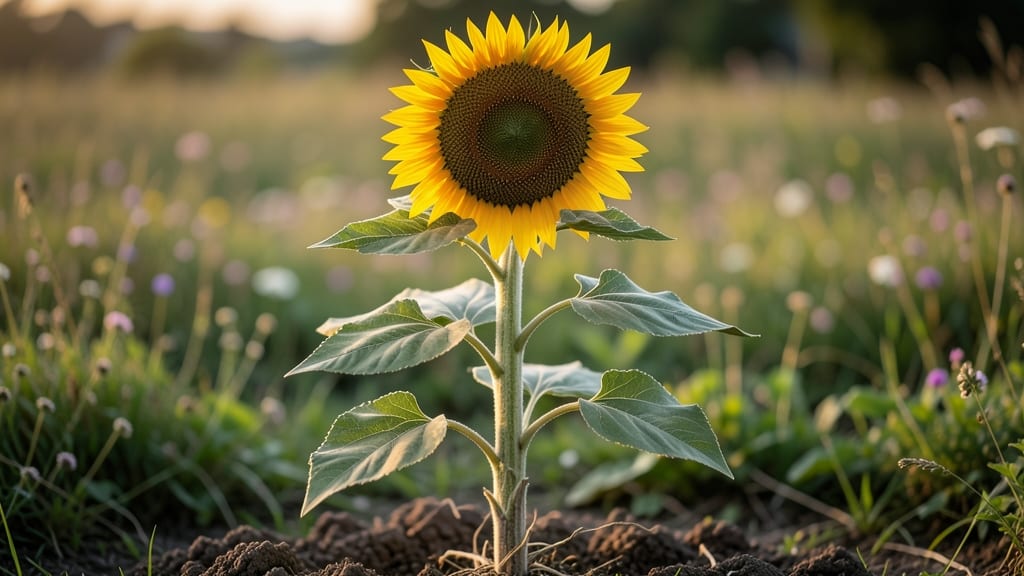
Mammoth sunflowers can grow up to 14 feet tall—taller than most gardeners expect, and nearly as tall as a two-story house!
Imagine sunflowers towering over your garden fence—these giants aren’t just beautiful; they’re nature’s skyscrapers, reaching heights that defy expectations. But how tall can they really grow, and what secrets ensure they thrive?
Most Mammoth sunflowers 🌻 hit their full height of 10–14 feet by late summer, given the right conditions. The key? Rich soil, full sun, and proper spacing to avoid competition. Without these, even the hardiest varieties will struggle to reach their potential.
In this guide, I’ll break down the record heights these sunflowers can achieve, the best spacing for maximum growth, and how to support their towering stems—so you can grow a sunflower that steals the show.

Mammoth sunflower height records: how tall can they really grow?
Mammoth sunflowers are the gentle giants of the garden world, capable of reaching heights that will make your neighbors do a double-take. While most varieties top out around 10-12 feet, some exceptional specimens have shattered expectations by growing over 14 feet tall under ideal conditions.
The 'Russian Giant' and 'Mammoth Russian' varieties are famous for their towering stature, but their growth depends on more than just genetics.
Documented records show Mammoth sunflowers achieving heights of 15-18 feet in controlled environments, though these extreme cases require perfect conditions. In home gardens, 12-14 feet is a more realistic target for well-cared-for plants.
The key to unlocking their full potential lies in understanding the interplay between genetics, soil quality, sunlight exposure, and proper spacing.
Genetics play a starring role—some heirloom varieties like 'Russian Giant' are bred specifically for height, while modern hybrids may prioritize disease resistance over stature. Environmental factors like warmth, moisture, and nutrient availability can push a plant from 8 feet to 14 feet in the same growing season.
Let’s break down the numbers and what they mean for your garden.
| Variety | Average Height | Record Height | Key Growth Factors |
|---|---|---|---|
| Russian Giant | 12-15 ft | 18 ft (documented) | Full sun, rich soil, staking |
| Mammoth Russian | 10-14 ft | 16 ft (competition records) | Consistent watering, balanced fertilizer |
| Autumn Beauty | 8-10 ft | 12 ft (exceptional) | Long growing season, warm climate |
| Mammoth | 10-12 ft | 14 ft (home gardens) | Deep, fertile soil, proper spacing |
Note: Record heights often require ideal conditions, including long growing seasons and expert care.
If you're dreaming of 14-foot sunflowers in your backyard, start with the right variety. The 'Russian Giant' is a top choice for height enthusiasts, while 'Mammoth Russian' offers a balance of stature and hardiness.
Both varieties thrive in USDA Zones 3-10, but their true potential unfolds in warmer climates with at least 90 days of frost-free growing season.
Soil quality is non-negotiable—these giants demand well-draining, nutrient-rich soil with a pH between 6.0 and 7.0. Amending your soil with compost or aged manure before planting gives their roots the boost they need to support their towering frames.
Without proper nutrients, even the hardiest varieties may max out at 8-10 feet, leaving you with a beautiful but undersized specimen.
Sunlight is another critical factor. Mammoth sunflowers require full sun exposure (6+ hours daily) to reach their maximum height. In my Zone 6 garden, I’ve seen plants grow 3 feet taller in a south-facing bed compared to those planted near a shaded fence.
Position your sunflowers where they’ll bask in uninterrupted sunlight from morning until late afternoon for the best results.
Watering strategies also influence height—consistent moisture is key, especially during the first 60 days of growth. Deep watering 2-3 times per week encourages strong root development, while surface-level watering can lead to weak stems and stunted growth.
I’ve found that drip irrigation delivers water directly to the roots, reducing waste and promoting healthier plants that reach for the sky.
Don’t overlook the importance of spacing. Crowding plants together creates competition for nutrients and sunlight, which can limit their height. Give each mammoth sunflower 18-24 inches of space between plants and 3-4 feet between rows.
This allows their leaves to spread and capture maximum sunlight, fueling their vertical growth. Proper spacing also improves air circulation, reducing the risk of fungal diseases that can weaken stems.
With the right conditions, your mammoth sunflowers could surprise you by reaching heights you never imagined. The world record for tallest sunflower stands at over 20 feet, achieved under controlled conditions, but in home gardens, 14 feet is an exciting and achievable milestone.
Start with a well-prepared plot, choose a height-focused variety, and give your sunflowers the care they deserve—your garden will soon be graced by nature’s skyscrapers.
Optimal spacing & growing conditions for maximum height
To unlock the full 10-14 foot potential of Mammoth sunflowers, you need more than just good luck—you need the right growing conditions. These giants demand space, nutrients, and consistent care to reach their towering heights without toppling over.
Let’s break down the essentials to give your sunflowers the sky-high support they deserve.
First, soil preparation sets the foundation. Mammoth sunflowers thrive in well-draining, nutrient-rich soil with a pH between 6.0 and 7.0. Amend your garden bed with compost or aged manure before planting to ensure your plants have the energy to grow tall and strong.
Avoid heavy clay soils, which can stunt root growth and limit height potential.
- 1. Spacing: Plant seeds 6-12 inches apart in rows 2-3 feet apart to prevent competition for sunlight and nutrients.
- 2. Sunlight: Provide 6+ hours of direct sun daily—partial shade will limit growth to 8-10 feet max.
- 3. Watering: Deep-water every 2-3 days during dry spells, focusing on the root zone to encourage deep root growth.
- 4. Fertilizing: Feed with balanced 10-10-10 fertilizer when plants reach 3-4 feet tall to support flowering.
- 5. Support: Use stakes or cages for varieties over 12 feet tall to prevent wind damage.
Sunlight is non-negotiable for these giants. Mammoth sunflowers need at least 6 hours of direct sunlight daily to reach their full height. Without enough light, their growth will stall at 8-10 feet, leaving you with a disappointment instead of a skyscraper.
Position them in the sunniest spot in your garden, and avoid planting near tall trees or structures that cast shade.
Watering plays a crucial role in height development. While mammoth sunflowers are drought-tolerant once established, consistent moisture is key during their first 6-8 weeks of growth. Aim for 1-2 inches of water per week, delivered in the morning to reduce fungal risks.
Overhead watering can weaken stems, so use a soaker hose or drip irrigation to keep the soil evenly moist without wetting the foliage.
Don’t forget about structural support for varieties aiming for 12+ feet. Wind can easily snap stems at this height, turning your sunflower into a fallen giant. Install bamboo stakes or tomato cages early in the season, tying the stems loosely with soft fabric to guide growth without restricting it.
This simple step can mean the difference between a toppled disaster and a proud, towering masterpiece.
Finally, monitor your sunflowers for signs of nutrient deficiencies or pests, which can derail their growth. Yellowing leaves often signal a need for nitrogen or magnesium, while chewed stems may require neem oil or row covers.
With the right conditions, your mammoth sunflowers won’t just reach their potential—they’ll surpass it, standing tall as the crown jewels of your garden. 🌻