
How To
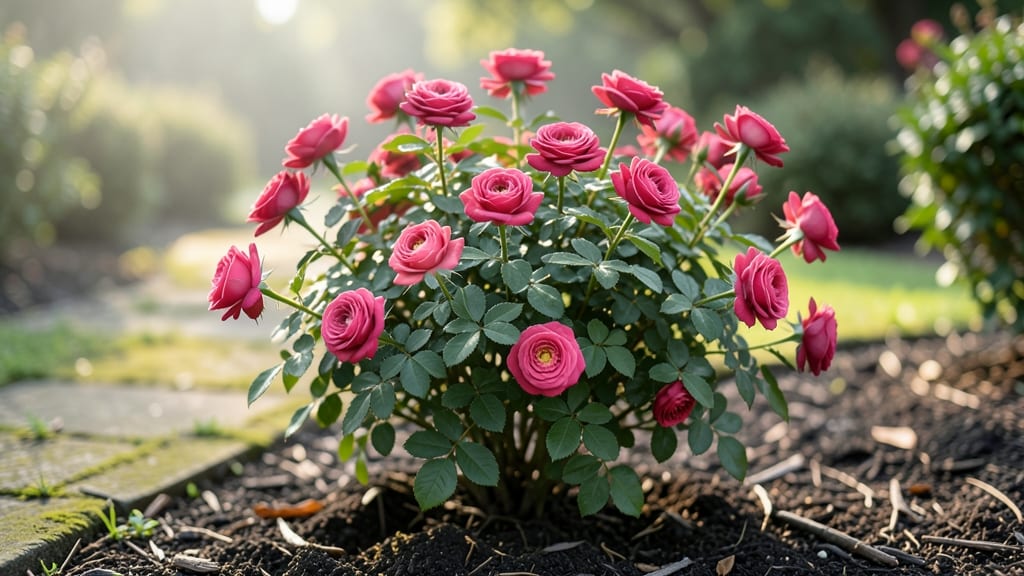
Miniature roses typically grow between 1 and 3 feet tall, making them the perfect choice for small gardens, containers, and tight spaces.
Picture this: a balcony bursting with color or a windowsill garden where every bloom is within arm’s reach. That’s the magic of these compact beauties, but their size can vary wildly depending on the variety and how you care for them.
Some stay as short as 12 inches, ideal for fairy gardens or hanging baskets, while others reach nearly 3 feet—big enough to frame a doorway or line a narrow border. The key to getting the height you want lies in pruning, sunlight, and the right soil.
Below, I’ll break down how to choose the perfect variety for your space, plus pro tips to coax your roses to their full potential—whether you’re aiming for a lush, bushy look or a neatly trimmed, compact shape.

Miniature rose height guide: standard growth ranges by variety type
Choosing the right miniature rose variety depends entirely on your space constraints. These compact beauties come in three main height categories, each perfect for different garden designs. Understanding their mature height helps you select varieties that thrive in containers, window boxes, or small garden beds without overcrowding.
Classic miniature roses (12-18 inches) are the most popular choice for small gardens and containers. They offer abundant blooms while maintaining a tidy, manageable size. Semi-miniature roses (18-24 inches) bridge the gap between true miniatures and standard roses, ideal for borders or as focal points in mixed containers.
The dwarf varieties (under 12 inches) are perfect for fairy gardens, window boxes, or even as tabletop plants. Popular cultivars like 'Fairy' (8-12 inches) and 'Baby Love' (10-15 inches) prove that you don't need a large space to enjoy the romance of roses.
Height consistency varies slightly between varieties, but these ranges represent mature plants with proper care. Always check specific cultivar tags, as some may grow slightly taller or shorter depending on growing conditions and pruning habits.
| Variety Type | Height Range | Popular Cultivars | Best For |
|---|---|---|---|
| Classic Miniature | 12-18 inches | 'Playboy', 'Lavender Dream', 'Fairy' | Containers, window boxes, small gardens |
| Semi-Miniature | 18-24 inches | 'Baby Love', 'Pink Parfait', 'Peace' | Borders, mixed containers, small garden edges |
| Dwarf | Under 12 inches | 'Tom Thumb', 'Mini Me', 'Fairy Tale' | Fairy gardens, window boxes, tabletop displays |
If you're growing miniature roses in containers, expect slightly shorter heights (3-5 inches less) compared to in-ground plants. Container size matters—opt for at least 5-gallon pots for classic miniatures to ensure root development and proper nutrient uptake.
For garden design, use height ranges to create visual interest. Plant taller varieties (semi-miniatures) at the back of borders or in larger containers, while dwarf varieties shine in the front or as edging plants. Mixing heights adds depth and dimension to small spaces.
Always consider pruning habits when selecting varieties. Some miniature roses, like 'Fairy', naturally stay compact with minimal pruning, while others may need occasional trimming to maintain their ideal height. Regular deadheading encourages bushier growth and more blooms.
When shopping for miniature roses, check the cultivar tags for height information. Nurseries often group varieties by size, making it easier to find the perfect fit for your space. Don't hesitate to ask for recommendations if you're unsure which height range suits your garden best.
Remember that sunlight exposure and soil quality directly impact height. Miniature roses thrive in full sun (6+ hours daily) and well-draining soil. Poor growing conditions can result in leggy growth or stunted plants, so prioritize these basics for optimal height and blooms.
With the right variety and care, miniature roses will reward you with continuous blooms throughout the growing season—all while staying perfectly proportioned for small spaces. Their compact stature makes them one of the most versatile roses for modern gardens.
How to maximize miniature rose growth in containers and small spaces
Miniature roses thrive in containers and small spaces, but achieving their optimal height and bushiness requires intentional care. These compact beauties typically reach 12-18 inches at maturity, but with the right techniques, you can encourage fuller growth without overcrowding.
The key lies in pruning strategies, container size, and nutrient-rich soil—all tailored to their delicate root systems.
One common mistake is choosing containers that are too large, which leads to stunted growth as the plant focuses energy on filling the extra space. Instead, opt for pots that are just 1-2 inches wider than the root ball.
This encourages root-bound growth, prompting the plant to branch out and produce more blooms. For example, a 6-inch pot works well for single plants, while 12-inch containers can accommodate small clusters.
Miniature roses typically grow 12-18 inches tall, but dwarf varieties like 'Fairy' stay under 12 inches. To maximize height, prune in early spring to remove dead or weak canes, leaving 3-5 buds per stem. Avoid heavy pruning, which can reduce flowering.
Sunlight is another critical factor—miniature roses need 6+ hours of direct sun daily to grow vigorously. Place containers in south-facing spots or use reflective surfaces like white walls to bounce extra light onto your plants.
In shadier conditions, growth will be slower and leggier, with fewer blooms. If your space lacks natural light, supplement with a grow light for 12-14 hours daily during shorter days.
Soil quality directly impacts height and bushiness. Use a well-draining potting mix blended with compost or aged manure to provide nutrients without compacting roots. Avoid garden soil, which can become waterlogged and suffocate delicate roots.
For container plants, mix in perlite or sand to improve aeration. Fertilize every 4-6 weeks during the growing season with a balanced 10-10-10 formula to encourage steady growth.
Pruning isn’t just for shaping—it’s essential for encouraging bushier growth. After the first flush of blooms, trim back one-third of the oldest canes to stimulate new shoots. This creates a fuller, more compact plant with more blooming opportunities.
Always use clean, sharp pruners and disinfect them with rubbing alcohol between cuts to prevent disease. Deadhead spent blooms regularly to redirect energy into new growth rather than seed production.
Finally, don’t overlook the power of regular watering. Miniature roses in containers dry out faster than in-ground plants, so water deeply every 2-3 days during hot weather. Let the top inch of soil dry out between waterings to prevent root rot, but never let the plant wilt.
Mulch the surface with gravel or straw to retain moisture and keep roots cool. With these techniques, your miniature roses will reach their ideal height and bushiness while thriving in even the smallest spaces.