
How To
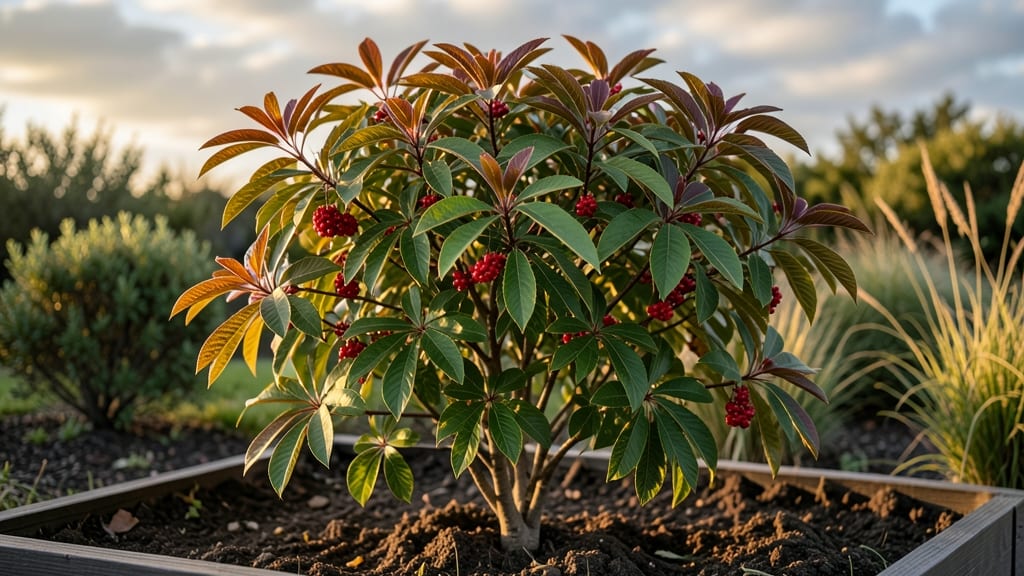
Nandinas grow anywhere from 1 foot to towering 12 feet tall, depending on the variety and growing conditions you provide.
If you're dreaming of adding nandinas to your garden but wondering whether they'll dwarf your space or tower over your patio, you're in the right place. These striking shrubs come in sizes from tiny tabletop plants to towering giants—each with its own unique charm and growing needs.
Some varieties, like 'Gulf Stream', stay compact at just 2 to 3 feet, making them perfect for containers and small gardens. Others, such as the standard 'Nandina domestica', can reach 6 to 12 feet when given the right conditions, adding drama to larger landscapes.
Below, I’ll break down how to choose the right size for your space, how pruning affects growth, and even which dwarf varieties thrive in containers. You’ll leave here knowing exactly which nandina fits your garden’s vision.

Nandina varieties by height: from dwarf to giant
Choosing the right nandina variety depends entirely on your space and design goals. These versatile shrubs offer height options ranging from 1 foot to 12 feet, making them perfect for everything from window boxes to privacy screens.
Whether you're working with a tiny balcony garden or a sprawling backyard, there's a nandina cultivar that will fit your vision.
The mature height of nandinas isn't just about aesthetics—it also affects their growth rate, pruning needs, and even their cold hardiness. For example, dwarf varieties like 'Pygmy Date' mature in just 2-3 years, while taller types like 'Sienna Sunrise' take 5-7 years to reach their full potential.
Let's explore the spectrum so you can make an informed choice.
🌱 Pro Tip: Always check the USDA hardiness zone for your cultivar—most nandinas thrive in zones 6-10, but some dwarf varieties can handle zone 5 with winter protection.
| Variety | Mature Height | Growth Rate | Best For | Light Needs |
|---|---|---|---|---|
| 'Pygmy Date' | 1-2 ft | Slow (1-2 ft/year) | Containers, borders | Partial shade |
| 'Fire Power' | 2-3 ft | Moderate (2 ft/year) | Foundation plants | Full sun to partial shade |
| 'Gulf Stream' | 3-4 ft | Fast (3 ft/year) | Screening, hedges | Full sun |
| 'Obelisk' | 4-6 ft | Moderate (2 ft/year) | Vertical accents | Partial shade |
| 'Sienna Sunrise' | 6-8 ft | Fast (3-4 ft/year) | Privacy screens | Full sun |
| 'Aurantiaca' | 8-10 ft | Moderate (2-3 ft/year) | Woodland gardens | Partial shade |
| 'Plum Passion' | 10-12 ft | Slow (1-2 ft/year) | Specimen plants | Full sun to partial shade |
For small-space gardens, I recommend starting with 'Pygmy Date' or 'Fire Power'—both stay under 3 feet and thrive in containers. These varieties are perfect for patio planters or as colorful accents near entryways. Their compact size also makes them ideal for urban gardeners with limited square footage.
If you're planning a privacy screen or windbreak, taller varieties like 'Sienna Sunrise' or 'Aurantiaca' are excellent choices. These can grow up to 10-12 feet when given proper spacing and care. Plant them 5-7 feet apart to allow for airflow and prevent overcrowding, which can stunt growth.
💡 Expert Tip: The height of nandinas can be influenced by pruning. Regular trimming in late winter or early spring encourages bushier growth and can help control the overall size. For example, if you want to keep a 6-foot variety at 4 feet, simply cut back one-third of the oldest stems each year.
Don't overlook lesser-known cultivars like 'Obelisk', which grows upright to 4-6 feet and is perfect for vertical gardening. This variety has arching branches that create an elegant, fountain-like shape. It's also highly drought-tolerant once established, making it a low-maintenance option for xeriscaping projects.
For shady areas, consider 'Plum Passion'—its deep purple foliage thrives in partial shade and reaches 10-12 feet at maturity. This variety is especially prized for its winter interest, as its berries remain on the plant long after the leaves have fallen.
It's a fantastic choice for year-round color in woodland gardens or near north-facing walls.
When planting nandinas, always consider their mature size and give them room to grow. Crowding can lead to
How growth rate and pruning affect nandina height
Nandinas grow at different rates depending on their cultivar and growing conditions. Some varieties like 'Fire Power' can grow 3-4 feet per year if given ideal care, while dwarf types like 'Gulf Stream' stay under 3 feet tall even after years.
Understanding these growth patterns helps you plan for the perfect-sized shrub in your landscape.
The key to controlling nandina height lies in pruning techniques and seasonal maintenance. Regular pruning encourages bushier growth while keeping stems from becoming leggy. Without proper care, even dwarf varieties can outgrow their intended space quickly, especially in warm climates with long growing seasons.
- 🌱 Cultivar selection: Dwarf types (1-3 ft) vs. standard types (6-12 ft)
- ✂️ Pruning frequency: Annual pruning reduces height by 25-30%
- ☀️ Sun exposure: Full sun = faster growth; partial shade = slower growth
- 💧 Watering: Overwatering can cause leggy, tall growth patterns
- 🌡️ Climate: Warmer zones = faster growth; cooler zones = slower growth
To keep your nandina compact, I recommend late winter pruning before new growth begins. Cut back 1/3 of the oldest stems to the ground, which stimulates fresh, bushier growth. This technique works especially well for 'Obsidian' and 'Pygmy Date' varieties that naturally stay smaller.
For faster-growing varieties like 'Fire Power', I suggest summer pruning to control height. Pinch back new growth by 1/4 to 1/3 when stems reach 6-8 inches tall. This encourages branching and prevents the shrub from becoming too tall too quickly. Always use sterilized pruners to avoid disease spread.
Seasonal care plays a crucial role in managing nandina height. In spring, apply a balanced fertilizer (10-10-10) to encourage healthy growth, but avoid heavy feeding which can lead to rapid, unchecked height increases.
During fall, reduce watering slightly to help the plant prepare for winter dormancy, which naturally slows growth.
Remember that nandinas are slow to die but respond well to consistent care. With proper pruning and seasonal maintenance, you can enjoy a nandina that stays within your desired height range for years.
The key is patience and regular maintenance—don't be tempted to let them grow wild just because they're drought-tolerant!