
How To
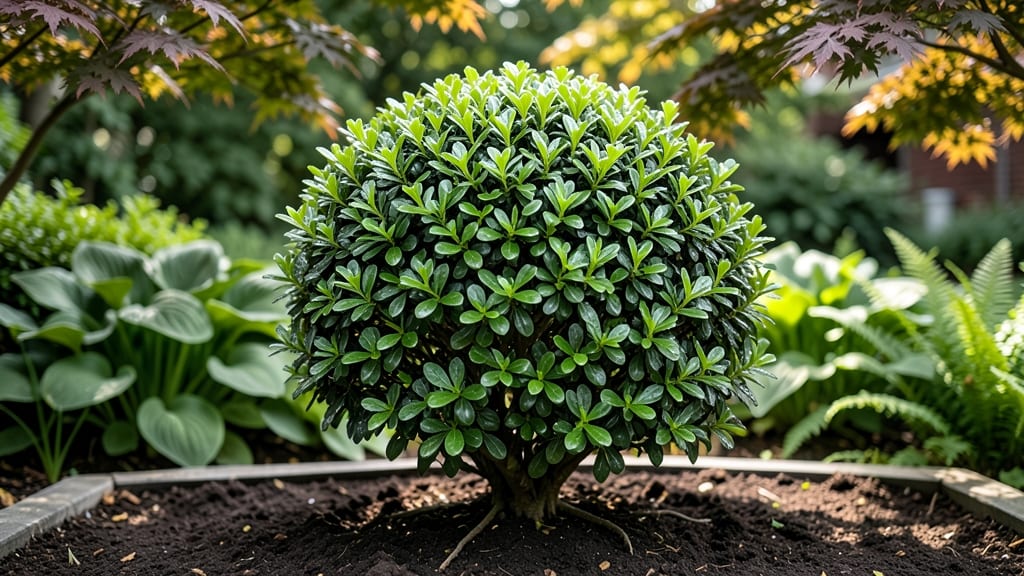
How tall do wintergreen boxwoods grow? They reach a mature height of 3 to 4 feet, making them the perfect compact shrub for hedges, borders, or foundation plantings that won’t overwhelm your space.
If you're dreaming of a lush, evergreen hedge that stays vibrant all year without requiring constant trimming, wintergreen boxwoods could be your perfect solution—but first, you need to know their mature height.
These hardy shrubs thrive in USDA Zone 6a and beyond, offering year-round greenery with minimal fuss. Unlike taller varieties, they stay neatly contained, making them ideal for small gardens, urban landscapes, or even container growing.
Below, I’ll break down exactly how tall they get, how to prune them for the perfect size, and the best spacing for a dense, polished look that lasts for decades.

Wintergreen boxwood mature height: growth expectations by variety
Wintergreen boxwoods (Buxus microphylla 'Wintergreen') are prized for their compact size and year-round evergreen foliage, making them ideal for hedges, borders, and foundation plantings. Unlike larger boxwood varieties, these stay manageable while providing dense coverage.
The key to planning your landscape lies in understanding how tall each variety grows at maturity—and how quickly they reach that height.
Most wintergreen boxwoods mature between 2 to 4 feet tall, but specific cultivars can vary significantly. For example, the popular 'Winter Gem' stays on the shorter end at 2 to 3 feet, while 'Wintergreen' and 'Globe' varieties can reach 3 to 4 feet.
Knowing these differences helps you choose the right variety for your space, whether you need a low hedge or a slightly taller privacy screen.
When planning your hedge, consider that wintergreen boxwoods grow slowly but steadily, typically adding 6 to 10 inches per year. This means a 3-foot-tall variety like 'Wintergreen' will take about 3 years to reach maturity if planted as a bare-root sapling.
If you're impatient, opt for 1-gallon containers, which may mature 1 year faster due to their established root systems.
Proper spacing is critical for dense growth. For varieties like 'Winter Gem' or 'Globe', plant them 2 to 3 feet apart to allow room for natural spreading.
Larger varieties like 'Wintergreen' need 3 to 4 feet of space to avoid overcrowding, which can lead to pests or disease from poor air circulation. Always measure your mature height expectations against your available space before planting.
Another factor to consider is regional climate. Wintergreen boxwoods thrive in USDA Zones 5–8, but in colder zones (like Zone 5), growth may slow slightly in the first few years.
In warmer zones (Zone 8+), they can grow slightly faster but may require more frequent pruning to maintain shape. Always check your local microclimate—urban areas with heat islands, for example, can accelerate growth by 10–15% compared to rural settings.
If you're using wintergreen boxwoods for privacy screens, aim for a double row with the taller varieties like 'Wintergreen'. Plant the first row 3 feet from your property line and the second row 4–5 feet behind it.
This creates a thicker, more effective barrier while allowing light to filter through for underlying plants. For topiary or formal gardens, choose dwarf varieties like 'Green Velvet' and space them 18–24 inches apart for intricate designs.
One common mistake is assuming all wintergreen boxwoods are the same height. For instance, 'Winter Gem' is often confused with 'Wintergreen'—but the difference of just 1 foot can mean the difference between a low border and a tall hedge.
Always verify the cultivar name on your plant tag or nursery label to avoid surprises. If you're unsure, ask for a mature height guarantee before purchasing.
For container gardening, dwarf varieties like 'Globe' thrive in 15–20 gallon pots, while larger types need 25+ gallon containers to accommodate their root systems.
In pots, growth rates slow slightly due to root restriction, but with proper fertilization and pruning, you can still achieve 80% of the expected mature height. Just be prepared for more frequent watering—containers dry out faster than in-ground plantings.
Finally, remember that wintergreen boxwoods are low-maintenance once established. Their slow growth means you won’t need to prune them annually, but a light trim in late spring keeps them tidy.
For the fastest results, combine your variety choice with well-draining soil, morning sun exposure, and consistent moisture during the first growing season. With the right planning, you’ll have a lush, evergreen hedge that stays vibrant for decades with minimal effort.
How to control wintergreen boxwood height: pruning tips for compact growth
Wintergreen boxwoods (Buxus microphylla 'Wintergreen') are prized for their compact, dense growth and ability to thrive in USDA zones 6-9. But without proper pruning, these shrubs can quickly outgrow their intended space.
The key to maintaining their 3-4 foot mature height lies in understanding seasonal pruning techniques and using the right tools.
Most gardeners make the mistake of pruning at the wrong time of year, which can stress the plant or encourage unwanted leggy growth. Instead, focus on light, strategic cuts during the active growing season—spring and early fall—to keep your wintergreen boxwoods looking neat without sacrificing their hardiness.
Standard varieties reach 3-4 feet tall at maturity, while dwarf cultivars like 'Winter Gem' stay between 1-2 feet. With proper pruning and spacing, you can maintain their height for decades—some mature specimens live for 50+ years with minimal care.
Pro Tip: Space plants 3-4 feet apart for dense hedges. Overcrowding leads to poor air circulation and disease risk.
Start your pruning routine in early spring, just as new growth begins. Use sharp, bypass pruners to make clean cuts at a 45-degree angle just above a leaf node.
This encourages bushier growth while keeping the plant's natural shape. Avoid cutting into old wood, as boxwoods rarely regrow from bare stems.
For height control, focus on removing up to 1/3 of the plant's height in a single session. Never prune more than this in one go, or you risk stressing the shrub and leaving it vulnerable to pests.
After your spring pruning, monitor the plant throughout the summer—light trimming can help maintain neatness without encouraging rapid regrowth.
Fall pruning is all about cleanup and shaping. Wait until late September or early October, after the first frost, to trim back any overgrown or misplaced branches.
This gives the plant time to harden off before winter. Avoid heavy pruning in fall, as it can stimulate new soft growth that may not survive freezing temperatures.
To encourage compact, bushy growth, incorporate pinching young shoots in spring. Simply use your fingers to pinch off the tip of new growth when shoots reach 3-4 inches long. This triggers the plant to branch out instead of growing tall and leggy.
Combine this with regular mulching to retain moisture and suppress weeds, which helps the plant focus energy on dense foliage rather than competing with surrounding vegetation.
Finally, don’t forget to sterilize your tools between cuts to prevent the spread of boxwood blight, a common fungal disease. A quick wipe with rubbing alcohol or a 10% bleach solution keeps your pruners safe for future use.
With consistent care, your wintergreen boxwoods will stay vibrant, compact, and healthy for years to come. ✂️🌿