
Plants
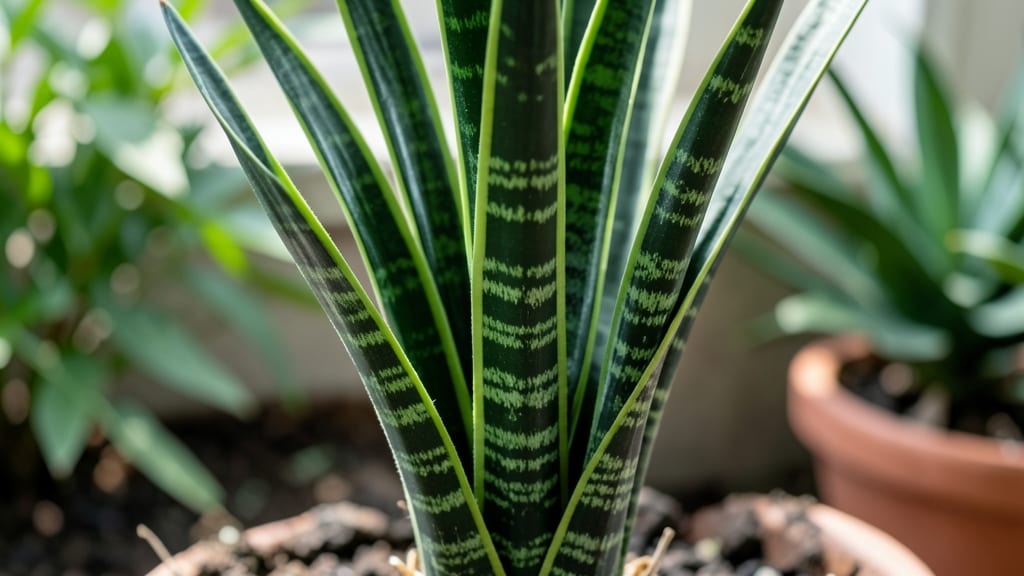
How tall does a snake plant grow? It varies dramatically between 1 and 4 feet indoors, but outdoors, it can soar to 12 feet or more—making it a dramatic difference depending on your setup.
Wondering if your snake plant will soon tower over your ceiling fan? The height of Sansevieria trifasciata—commonly called snake plant—varies dramatically depending on where you grow it, and knowing these differences can help you plan your space (and pruning strategy) perfectly.
Indoor plants typically stay compact, especially in smaller pots, while outdoor varieties stretch toward the sky when given room to grow. Light levels, container size, and even the specific variety (like 'Futura Superba' or 'Laurentii') play a big role in how tall your 🌱 ends up.
Below, I break down the key factors that influence height, whether your snake plant will stay short or shoot up, and how to manage its growth for the perfect fit in your home or garden.

Snake plant height guide: indoor growth limits and factors
If you're wondering how tall your snake plant (Sansevieria trifasciata) will grow indoors, the answer depends on several factors—including light exposure, pot size, and species variety.
Most indoor snake plants reach heights between 12 and 48 inches, but some varieties, like 'Futura Superba', can stretch taller with ideal care. Unlike their outdoor counterparts, indoor snake plants rarely exceed 4 feet due to limited space and slower growth conditions.
One of the biggest factors influencing height is light availability. Snake plants grown in bright, indirect light tend to grow taller and straighter, while those in low-light conditions may stay shorter but become leggy.
If your plant stretches toward a window, it’s likely searching for more light, which can lead to uneven growth. Rotating your pot occasionally helps maintain balanced height and shape.
Pot size also plays a critical role. Snake plants in smaller containers (like 6-inch pots) will grow more slowly and stay compact, often reaching only 12–24 inches. In contrast, larger pots (10+ inches) provide more root space, encouraging taller growth—sometimes up to 36–48 inches.
If you want to control height, choose a pot that’s just slightly larger than the plant’s root ball.
The variety of snake plant you choose directly impacts its mature height. For example, 'Laurentii' typically stays between 24–36 inches, while 'Hahnii' (also called "bird's nest snake plant") remains much shorter, usually under 12 inches.
If you’re working with limited vertical space, dwarf varieties like 'Moonshine' are ideal, maxing out around 18 inches.
Another key factor is temperature and humidity. Snake plants grow more slowly in cool indoor environments (below 65°F) and may develop stunted growth. If your home stays consistently warm (70–85°F), your plant will likely grow taller and faster.
Humidity also matters—low humidity can cause the leaves to grow thinner and longer, while moderate humidity (40–50%) promotes healthier, more compact growth.
If you notice your snake plant growing too tall or leggy, it’s often a sign of insufficient light or over-potting. To encourage a bushier, more compact shape, consider pruning the tallest leaves and propagating the cuttings.
This not only controls height but also gives you free plants to share with friends! Just be sure to use clean, sharp scissors to avoid damaging the plant.
One common misconception is that snake plants will grow indefinitely indoors. While they’re slow-growing compared to outdoor plants, they can still reach their genetic height limit over time—especially if given optimal conditions.
If you’re concerned about height, choose a dwarf variety or place your plant in a smaller pot to naturally restrict growth. Remember, snake plants are adaptable, so they’ll adjust to your space!
For best results, monitor your snake plant’s growth and adjust care as needed. If it’s stretching too much, move it closer to a sunny window or supplement with a grow light. If it’s growing too slowly, check the root health and ensure the pot isn’t root-bound.
With the right balance of light, space, and variety selection, you can keep your snake plant at your desired height—whether that’s a compact 12-inch tabletop plant or a tall 48-inch statement piece.
🌱
Outdoor snake plant growth: how tall they can really get
When you move your snake plant (Sansevieria trifasciata) outdoors, prepare for a growth spurt that can turn your compact houseplant into a towering statement piece. In ideal conditions, these hardy plants can reach heights of up to 12 feet—yes, you read that right!
The difference between indoor and outdoor growth is dramatic, thanks to factors like full sunlight exposure, larger root systems, and warmer temperatures.
Outdoor snake plants thrive in USDA Zones 9-11, where they experience year-round warmth and minimal frost. Even in cooler climates, they can still grow taller than their indoor counterparts, often reaching 6-8 feet with proper care.
The key difference? Outdoor plants have unrestricted vertical growth when given space to spread their roots and access to natural sunlight.
Regional differences play a huge role in how tall your snake plant grows outdoors. In humid climates like Florida or Hawaii, these plants can grow 30% faster than in drier regions like Arizona or California.
The extra moisture in the air and soil supports larger leaf production and taller stems. Meanwhile, in cooler climates like Zone 8**, growth may slow during winter months but still exceed indoor heights by 2-3 feet.
If you're growing snake plants in containers outdoors, expect slightly shorter heights (around 4-6 feet) unless you use very large pots. The Futura Superba variety, for example, can reach up to 8 feet tall outdoors but stays compact indoors.
Meanwhile, the Laurentii variety often tops out at 10 feet when grown in the ground with full sun exposure.
To maximize outdoor growth, plant your snake plant in well-draining soil with partial shade protection during the hottest afternoon hours. Avoid overwatering—these plants thrive on neglect but will grow taller with occasional deep watering during dry spells.
With the right conditions, your outdoor snake plant could become a stunning vertical accent in your garden for years to come! 🌿