
How To
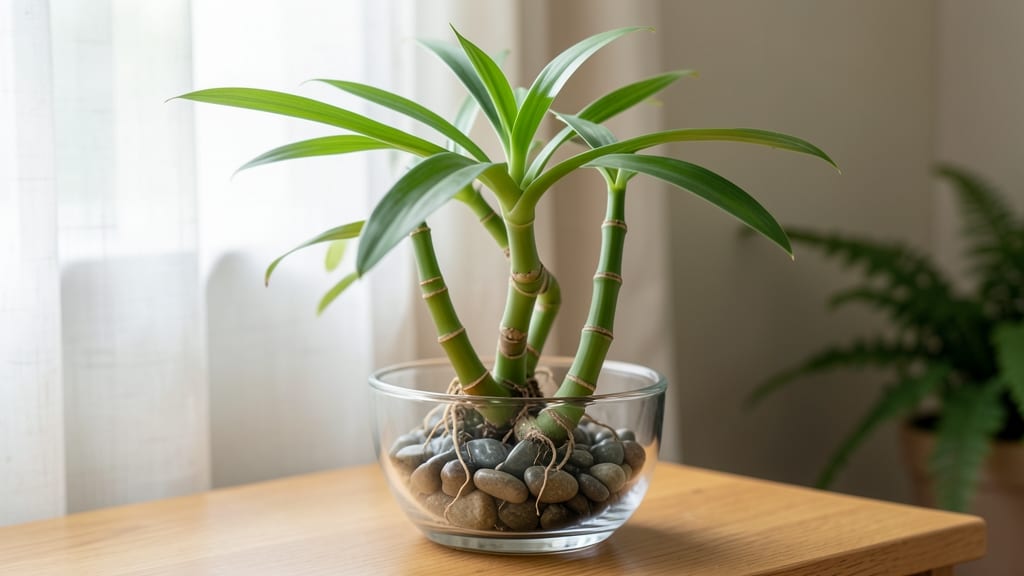
How tall will bamboo grow?—it can tower over a 10-story building, with some species shooting up 3 feet per year—but the right variety for your space could stay as short as a shrub.
Picture this: a fast-growing bamboo hedge that blocks nosy neighbors by summer, or a dwarf variety thriving in a pot on your balcony. The difference? Species, soil, and a little planning.
Whether you’re chasing privacy or just curious about the giants of the plant world, knowing your bamboo’s growth potential is the first step to avoiding yard takeovers—or missed opportunities.
Running bamboo, like the towering Phyllostachys, can reach 100 feet if left unchecked, while clumping types like Bambusa multiplex top out at 10 feet. Climate plays a role too—warmer zones speed up growth, while cooler areas slow it down.
Below, we break down the fastest growers, how to contain them, and the surprising tricks to keep even aggressive varieties in line.
You’ll learn which species hit mature height in 3 years versus those that take decades, plus how to prune, barrier roots, or even grow bamboo in containers—no matter how small your space. Let’s get your garden’s height goals in focus.

Bamboo growth heights by species: from dwarf to giant varieties
Choosing bamboo for your garden means balancing beauty with height control. Some varieties grow like towering trees, while others stay small enough for containers. The key difference lies in whether they’re running (aggressive spreaders) or clumping (contained growth).
I’ll break down the tallest and shortest options so you can pick the perfect fit for your space.
Running bamboo can reach 100+ feet in ideal conditions, while clumping types rarely exceed 30 feet. Your climate zone, soil quality, and sunlight exposure will also influence how tall bamboo grows. For example, Phyllostachys bamboosora thrives in humid regions but struggles in dry climates. Let’s explore the extremes first.
🌿 Visual Guide: Use this table to compare mature heights, growth habits, and ideal climates at a glance.