
Flowers
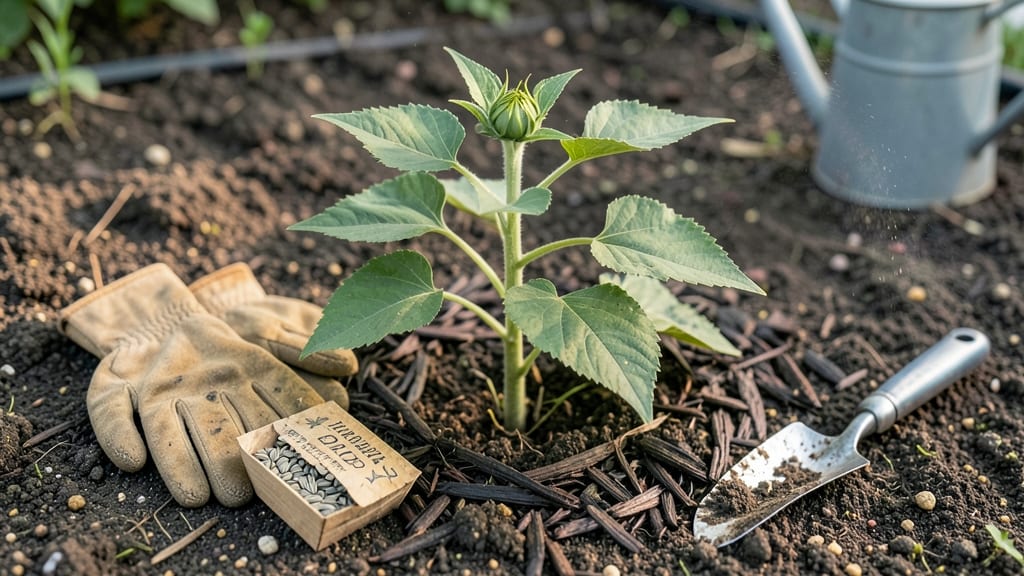
To plant sunflowers for those towering blooms you’ve seen in magazines, start by sowing seeds 1 inch deep in rich, well-draining soil after your last frost.
Picture this: a 6-foot-tall 🌻 standing proudly in your garden by midsummer, its petals tracking the sun like a living compass. The secret isn’t just the seeds—it’s the spacing, depth, and timing that turn flimsy sprouts into giants.
Sunflowers thrive in full sun and Zone 6’s spring warmth, but even the hardiest varieties need the right prep. Too shallow? Roots struggle. Too close? Stems lean. I’ve planted 100+ seeds over the years, and these tricks cut the guesswork by half.
Below, I’ll walk you through the exact spacing (12–36 inches apart, depending on the variety), the best soil mix, and how to support those 16-foot monsters before they topple over. No green thumb required—just patience and a sunny patch.


Perfect sunflower planting depth and spacing for maximum growth
Sunflowers thrive when planted with precision—especially when it comes to depth and spacing. Too shallow or crowded, and your towering blooms will struggle. Too deep or spaced out, and you’ll waste garden space. The secret?
Plant seeds 1-2 inches deep and space them 12-36 inches apart, depending on the variety. This ensures strong stems and room for those iconic giant sunflower heads to reach their full potential.
Research shows that proper spacing reduces competition for nutrients and sunlight, which directly impacts stem strength and flower size. For example, dwarf varieties like 'Teddy Bear' can handle closer spacing (12-18 inches), while giants like 'Mammoth' need 24-36 inches to avoid flopping over.
Think of it like giving each plant its own personal sunbeam—literally.
Before you dig, loosen the soil to a depth of 6-8 inches to encourage root growth. Sunflowers have taproots, which means they need deep, well-aerated soil from the start.
Amend the soil with compost if it’s heavy clay or sandy. This prep work pays off with faster germination and healthier stems that can support those massive blooms.
Here’s the golden rule: depth = seed size. Most sunflower seeds are about 1 inch long, so planting them 1-2 inches deep ensures they have enough energy to break through the soil without rotting.
If you’re planting in cooler climates, err on the side of 1 inch deep—shallower planting can speed up germination when temperatures dip.
| Planting Factor | Recommendation | Why It Matters |
|---|---|---|
| Planting Depth | 1-2 inches | Prevents rot while ensuring strong root growth. |
| Spacing (Dwarf) | 12-18 inches | Allows airflow and reduces disease risk. |
| Spacing (Standard) | 18-24 inches | Supports strong stems for taller varieties. |
| Spacing (Giant) | 24-36 inches | Prevents flopping and maximizes flower size. |
| Row Spacing | 2-3 feet | Improves sunlight penetration and air circulation. |
When planning your sunflower patch, think beyond individual spacing—row spacing matters too. Space rows 2-3 feet apart to ensure sunlight reaches all plants, even the shorter ones in the back. This is especially critical if you’re growing a mix of dwarf and giant varieties together.
Without proper row spacing, the taller sunflowers will cast shadows that stunt the growth of their shorter neighbors.
Pro tip: Use a grid layout for large patches. Mark your rows with a string line or garden flags to maintain even spacing. For small gardens, consider container growing—just use pots that are at least 12 inches deep and 18 inches wide per plant.
Containers also let you control soil quality and drainage, which is a game-changer for heavy or rocky soil.
If you’re planting in spring vs. summer, timing affects spacing needs. Spring-planted sunflowers have more time to mature, so you can afford slightly tighter spacing (18-24 inches).
Summer plantings, however, should use the maximum spacing (24-36 inches) because the growing season is shorter, and you want to avoid competition. Always plant after the last frost date in your zone—sunflowers hate cold soil.
Watering plays a role in spacing too. Newly planted seeds need consistent moisture to germinate, but once established, sunflowers are drought-tolerant. If you’re in a dry climate, wider spacing (30+ inches) gives roots more room to access water deeper in the soil.
Mulch around plants to retain moisture and suppress weeds, which compete for nutrients and space.
Finally, don’t forget about succession planting if you want sunflowers all season. Stagger your plantings every 2-3 weeks in early spring and late summer. This way, you’ll always have a mix of young and mature plants, ensuring continuous blooms from summer through fall.
Just adjust your spacing based on the variety and season!
With these science-backed spacing and depth guidelines, your sunflowers will grow straight, strong, and stunning. Happy planting—your garden will thank you with a sea of golden blooms! 🌻
Best sunflower varieties and when to plant for towering blooms
Choosing the right sunflower variety and planting at the perfect time can transform your garden into a sunlit masterpiece. Whether you dream of 12-foot giants or cheerful dwarf varieties, each type has unique timing and care needs to reach its full potential.
The key? Matching your climate zone with the right planting window—spring for early blooms or late summer for fall color.
For towering sunflowers like 'Mammoth' or 'Russian Giant', aim to plant seeds 4-6 weeks before your last frost date—typically April to early May in most regions. These varieties need a long, warm growing season (90+ days) to reach their 10-to-16-foot heights.
Meanwhile, dwarf varieties like 'Teddy Bear' or 'Sunspot' thrive when planted 2-3 weeks later, offering compact blooms perfect for containers or small gardens.
Here’s how to pick the perfect variety and timing for your garden’s needs:
If you’re in a shorter growing season, opt for dwarf or semi-dwarf varieties planted in late spring (June) for summer-to-fall blooms. These varieties, like 'Little Becka' or 'Sunrich Orange', mature faster (30–60 days) and produce cheerful, compact flowers that brighten patios and borders.
For extended blooms, try multi-bloom types like 'Moulin Rouge', which produce dozens of flowers per stem over several weeks.
Pro tip: Succession planting works wonders with sunflowers! Sow new seeds every 2–3 weeks from spring to early summer to enjoy continuous blooms until frost. This trick ensures your garden stays vibrant from early summer through fall, even if your first batch bolts too quickly.
Just remember: taller varieties need sturdy supports (like stakes or cages) to prevent flopping in wind or rain.
For maximum height, give giant varieties a nutrient-rich start by mixing compost into the soil before planting. Add a balanced fertilizer (like 5-10-10) when seedlings are 6 inches tall to fuel rapid growth.
With the right variety, timing, and care, your sunflowers will reach sky-high glory—turning heads (and attracting pollinators!) all season long. 🌻