
Blooming
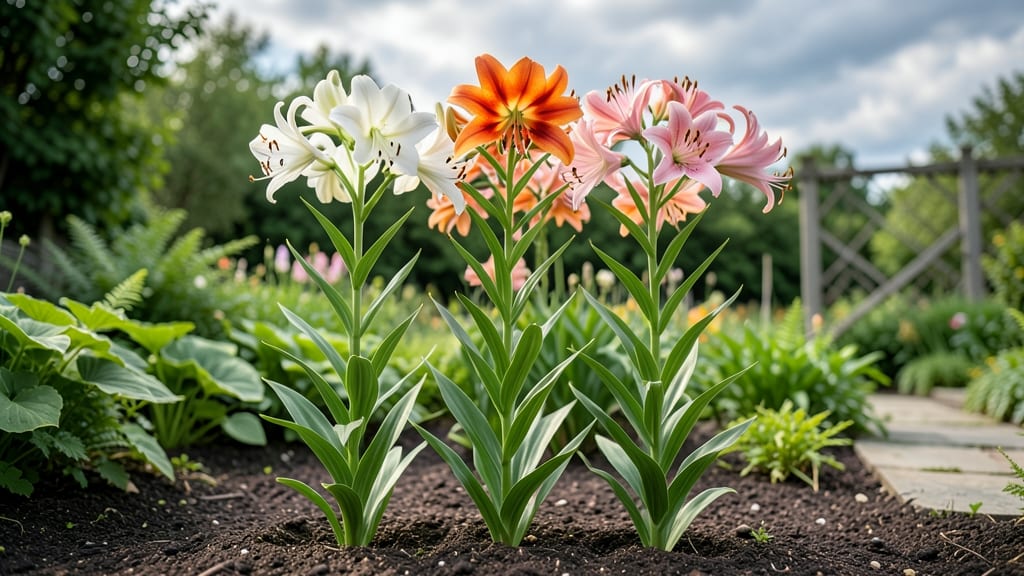
The lily flower season in summer and early fall brings a burst of elegance with blooms like trumpets and Asiatic varieties, but timing depends on the type and your USDA zone—miss it, and you might end up with lush leaves but no flowers.
Picture this: you’ve spent months preparing your garden beds, dreaming of vibrant trumpet lilies or fragrant Asiatic blooms, only to realize too late that your zone’s peak flowering season has already passed. That’s why knowing when lilies bloom in your area is the key to planning ahead.
From the earliest spring bloomers in Zone 6a to the late-summer showstoppers in warmer climates, each variety has its own schedule. Some lilies even reward patience with second blooms if you give them the right care.
Below, I’ll break down the best times to expect blooms by zone, how to choose varieties that align with your climate, and simple tips to extend their flowering season—so you’re not left staring at green stems when the neighbors’ gardens are in full color.
Lily flowering seasons by USDA zone: a month-by-month guide
Lilies are one of the most dramatic additions to any garden, offering bold colors and intoxicating fragrances—but their bloom times shift dramatically depending on USDA zone and variety. Whether you're growing Asiatic lilies for early summer color or Oriental lilies for late-season drama, timing is everything.
Understanding these patterns lets you plan your garden layout to enjoy continuous blooms from June through September.
Cooler northern zones like USDA Zone 3-5 often see lilies bloom 2-4 weeks later than warmer southern zones (Zone 8-10). Meanwhile, regional microclimates—like the Pacific Northwest's cooler summers or the Southeast's humid heat—can push blooms even earlier or later.
For example, Trumpet lilies in Zone 7 might peak in August, while the same variety in Zone 9 could stretch blooms into October.
Here’s how to align your garden with nature’s schedule using our USDA zone blooming calendar, featuring early, mid, and late-season lilies for continuous color. The table below breaks down peak bloom windows by variety and zone, plus regional adjustments for Pacific Northwest and Southeast gardeners.
In USDA Zones 3-5, gardeners should prioritize early-blooming Asiatic lilies (like 'Connecticut King') to take advantage of shorter summers. These varieties often bloom by late June and can rebloom with proper care.
For longer growing seasons in Zones 8-10, mix Trumpet lilies (e.g., 'Regale') with Oriental hybrids to extend color into early fall.
Regional variations matter too. In the Pacific Northwest, cooler summers delay blooms by 1-3 weeks, while humid Southeast climates can push lilies to bloom earlier.
For example, 'Casa Blanca' Oriental lilies might start opening in mid-June in Zone 8 Florida but wait until late July in Zone 7 Oregon. Adjust your planting schedule by 2-4 weeks if you're outside the typical zone range.
To maximize your lily season, pair early bloomers (like 'Yellow Bowl' Asiatic) with late-season varieties (such as 'Black Out' Trumpet). This creates a
Best lily varieties for your zone: when to plant for maximum blooms
Choosing the right lily varieties for your USDA zone ensures vibrant blooms that align with your local climate. Some varieties thrive in cooler zones, while others need warmth to flourish. For example, ‘Stargazer’ lilies love heat and bloom best in zones 5-9, while ‘Casa Blanca’ adapts well to zones 3-8.
Planting at the right time—typically spring after frost—sets the stage for stunning summer displays.
Your soil preparation plays a critical role too. Lilies need well-draining soil rich in organic matter. Amend heavy clay with compost to prevent bulb rot. In USDA zones 3-5, plant bulbs in late spring (May-June) to avoid frost damage, while zones 6-10 can start as early as March-April.
Always space bulbs 6-8 inches apart for airflow and growth.
🌸 Lily Varieties by Zone & Planting Tips
- ‘Stargazer’ (Zones 5-9): Bold pink-purple blooms in mid-summer.
- ‘Casa Blanca’ (Zones 3-8): Fragrant white flowers for early summer.
- ‘Black Out’ (Zones 4-9): Deep burgundy blooms that attract pollinators.
- Asiatic lilies (Zones 4-9): Early bloomers (June-July) with vibrant colors.
- ‘Stargazer’ needs full sun (6+ hours)—struggles in shade.
- ‘Casa Blanca’ may recede in heat if not watered deeply.
- ‘Black Out’ is deer-sensitive—may need protection.
- Oriental lilies (Zones 5-9) bloom late summer but attract aphids.
- Zones 3-5: Plant May-June after soil warms.
- Zones 6-10: Plant March-April for earlier blooms.
- Add bone meal at planting for root strength.
- Mulch after planting to retain moisture.
For USDA zones 3-5, focus on hardy varieties like ‘Casa Blanca’ or ‘Lilium martagon’ (Turk’s cap lily), which tolerate cooler climates. These bloom in late spring to early summer and often rebloom in fall.
In warmer zones (7-10), Oriental hybrids like ‘Siberia’ shine with fragrant blooms in August-September.
Sunlight is non-negotiable for lilies. Most varieties need 6-8 hours of direct sun daily, though ‘Casa Blanca’ can handle partial shade in hot zones. If your garden is shady, opt for dwarf Asiatics like ‘Little Dream’, which thrive with 4-6 hours of sun.
Always monitor leaf color—yellowing leaves signal overwatering or poor drainage.
Fertilizing at the right time boosts bloom production. Apply a balanced fertilizer (10-10-10) when shoots emerge in spring, then again when buds form in early summer. Avoid high-nitrogen fertilizers—they promote leafy growth over blooms.
In containers, use slow-release granules to prevent runoff. Mulch with straw or shredded leaves to lock in moisture and regulate soil temperature.
Timing your planting ensures lilies bloom when you want them to. For summer color, plant Asiatic lilies in spring (March-April in warm zones, May in cool zones). For fall interest, try ‘Black Out’ or ‘Mona Lisa’, which bloom in late summer to early fall.
With the right variety and care, your garden will burst with lily blooms from June through October.