
Planting
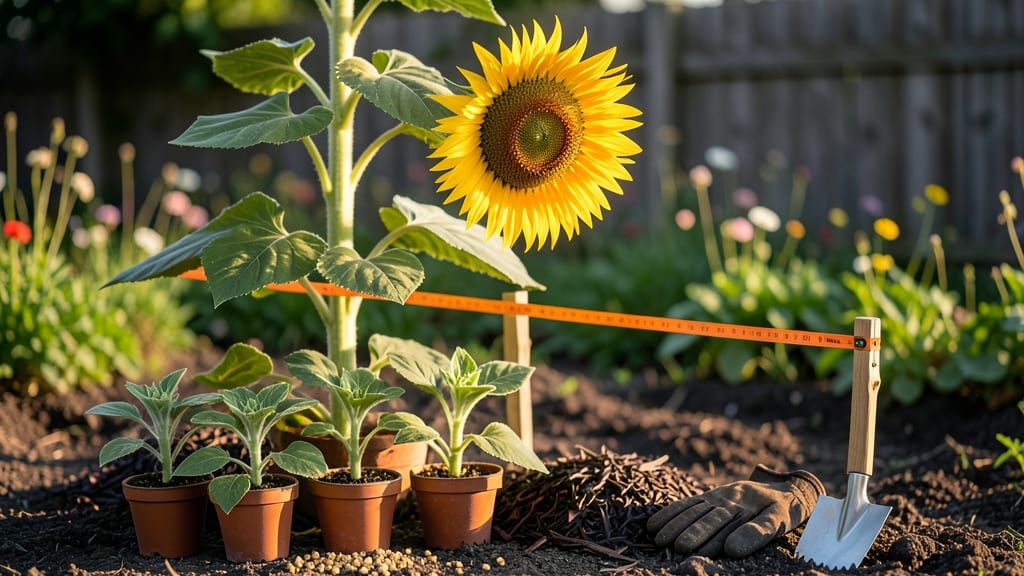
Proper mammoth sunflower spacing is the secret to growing 12-foot-tall stems that stand strong instead of flopping like overgrown weeds.
Picture this: You’ve spent weeks nurturing your 🌻 mammoth sunflowers, only to watch them lean or snap under their own weight. That’s not just bad luck—it’s a spacing problem. Too close, and they’ll compete for nutrients; too far apart, and you’ll waste garden space.
The right distance keeps them stable, boosts yields, and makes your garden look like a sunflower skyline.
In this guide, I’ll break down the exact plant-to-plant and row spacing for mammoth varieties, plus how to tweak those numbers for containers, windy sites, or small urban plots. No more guesswork—just proven math to turn your sunflowers into the towering giants they’re meant to be.
You’ll also learn how to spot spacing mistakes early (before flopping happens) and adjust mid-season. Whether you’re planting in USDA Zone 6a or a raised bed, these tips will keep your sunflowers standing tall—no scaffolding required.
Optimal mammoth sunflower spacing by growth stage: math to prevent flopping
Mammoth sunflowers aren't just tall—they're architectural giants that need engineering-level spacing to stand upright. Unlike dwarf varieties, these 12-foot skyscrapers require dynamic spacing adjustments as they grow. Standard 12-inch spacing for regular sunflowers becomes a disaster recipe when applied to mammoths, leading to flopping stems and wasted effort.
Think of your sunflower's growth like a three-act play: each stage demands different spacing. Seedlings need snug but not crowded conditions, while mature plants require wide-open real estate to prevent wind damage.
The key is understanding how their stem diameter and root spread evolve—something most gardeners overlook until it's too late.
Here's the hard truth: Most flopping happens because gardeners use static spacing throughout the season. Mammoth sunflowers need 18-24 inches between plants at maturity, but that's way too much for seedlings.
The solution? Start tight, then thin aggressively as they grow. This approach saves space in small gardens while preventing stem collapse.
🚨 NON-NEGOTIABLE RULE: Never plant mammoth sunflowers in closed rows—always use staggered patterns to distribute wind pressure evenly. The triangle method (planting in equilateral triangles) creates a self-supporting matrix that prevents flopping in storms.
| Growth Stage | Plant-to-Plant Distance | Row Spacing | Adjustments Needed |
|---|---|---|---|
| Seedling (0-4 weeks) | 6-8 inches | 12 inches | Thin to 12" when 3" tall |
| Vegetative (4-8 weeks) | 12-18 inches | 24 inches | Stake tallest plants |
| Flowering (8-12 weeks) | 24-36 inches | 36-48 inches | Add windbreaks if needed |
| Mature (12+ weeks) | 36-48 inches | 48-60 inches | None (final spacing) |
| Windy Climates | +12" extra spacing | +12" extra row spacing | Use bamboo stakes early |
| Heavy Clay Soil | 18-24" minimum | 36" minimum | Add compost to base |
The seedling stage is where most gardeners make their first mistake. Planting mammoth sunflower seeds 6-8 inches apart might seem wasteful, but it's essential for early competition control.
Once seedlings hit 3 inches tall, thin them to 12 inches apart—this gives roots room to establish before rapid growth begins.
During the vegetative stage (4-8 weeks), your sunflowers will double in height weekly. That's when row spacing becomes critical. A 24-inch row spacing prevents stems from rubbing against each other during wind, which creates abrasion points that weaken the stem.
Pro tip: If your garden has limited space, plant in single rows rather than blocks for better airflow.
When they reach the flowering stage, mammoth sunflowers become top-heavy monsters. Their 12-foot stems now need 36-48 inches between plants to prevent flopping. This is where the math becomes visible: each additional foot of height requires 2-3 extra inches of spacing to maintain stability.
In windy areas, increase spacing by 12 inches and install bamboo stakes at planting.
Heavy soil types demand even more attention. Clay soil holds water and restricts root spread, making stems more prone to flopping. The fix? Double the compost in planting holes and raise beds slightly to improve drainage.
For container growing, use 24-inch diameter pots with one plant per container—any less and you'll see stem bending by mid-summer.
Here's my foolproof formula for perfect spacing: Plant height ÷ 4 = minimum spacing. So a 12-foot sunflower needs at least 3 feet between plants at maturity. For extra insurance, multiply that number by 1.5 if your garden is windy or has heavy soil.
This simple calculation eliminates guesswork and ensures your mammoth sunflowers stand tall all season.
Remember: Spacing isn't just about preventing flopping—
How to adjust mammoth sunflower spacing for different garden layouts
Your garden layout dramatically impacts how your mammoth sunflowers grow—whether you're working with a tiny urban patio or a sprawling backyard. The key is balancing stem stability with yield potential.
In traditional in-ground gardens, 18-24 inches between plants and 36-48 inches between rows creates the perfect airflow and root space. But what if you're constrained by space or growing in containers? Let's break down the best spacing strategies for every scenario.
For small urban gardens, where space is at a premium, you can squeeze in 12-16 inches between plants but must stake each stem to prevent flopping. This compact spacing works well for square-foot gardening, where you fit 4-9 plants per square foot depending on your variety.
The trade-off? You'll sacrifice some stem thickness and flower size, but you'll still get those iconic 12-foot stems with proper support.
Here’s how different layouts compare for mammoth sunflower spacing, including yield trade-offs and stability tips:
Raised beds offer a happy medium—you can fit 2-3 plants per square foot while maintaining better drainage than in-ground planting. The trick is to plant along the edges of the bed and use a trellis system to guide stems upward. This not only saves space but also makes harvesting those heavy flower heads much easier. Just avoid planting in the center where stems might compete for sunlight.
Container growing is where mammoth sunflowers get tricky. In large containers (20"+ diameter), you can fit one plant per pot with a heavy-duty stake and a wire cage for support.
For smaller pots (10-15"), stick to dwarf mammoth varieties like 'Moulin Rouge' or 'Russian Giant'—they’ll reach 8-10 feet tall instead of 12, but still deliver those show-stopping blooms. Always use a fast-draining mix with 50% compost to prevent root rot in confined spaces.
No matter your layout, wind exposure is the silent flopping culprit. If your garden is breezy, reduce spacing by 20% and double up on staking. For example, in windy areas, plant mammoth sunflowers 14-18 inches apart in rows 30 inches apart.
You’ll get more plants per square foot, but each stem will need individual support—think bamboo stakes tied with soft garden twine or a spiral stake system for extra stability.
Remember, spacing isn’t set in stone—it’s a balancing act between yield, stability, and your garden’s unique conditions. Start with these guidelines, then adjust based on how your plants grow.
With the right spacing, your mammoth sunflowers will stand tall and proud, turning heads (and cameras) all season long. 🌻