
Plants
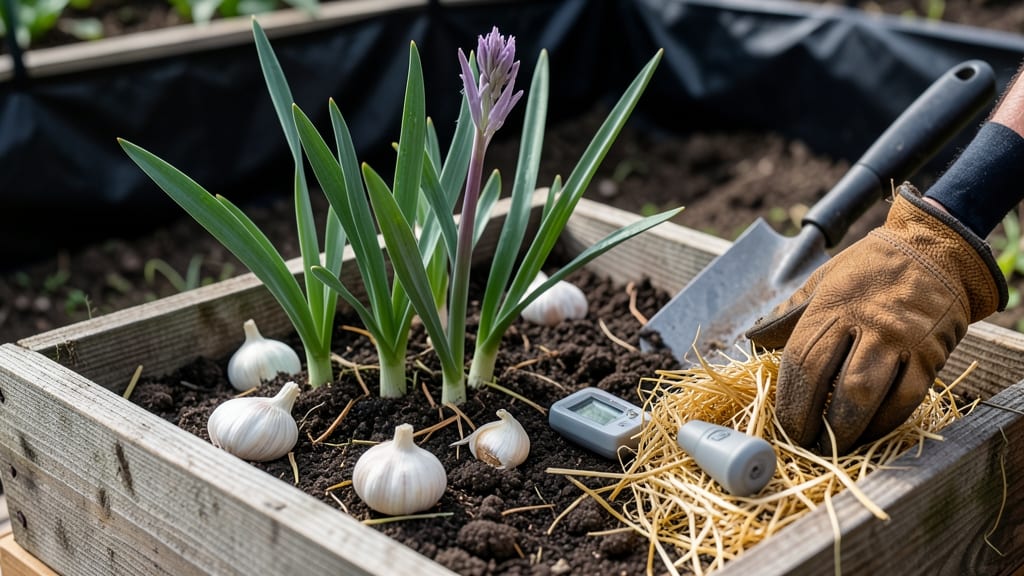
Planting garlic in Oregon at the right time means the difference between plump bulbs and wasted cloves — and the window opens in October or November for most of the state.
Oregon’s diverse microclimates can turn garlic planting into a high-stakes guessing game—plant too early and risk frost damage, too late and miss the ideal window for robust bulbs. But mastering the timing means unlocking the secret to growing award-winning garlic in the Beaver State.
In USDA Zones 7b-9a, the key is working with your local frost dates. Coastal areas like the Willamette Valley can plant as late as early November, while inland regions like the High Desert should start by mid-October to avoid winter freezes.
Below, I’ll break down the exact planting windows for your region, soil prep tips to ensure strong starts, and how to adjust for Oregon’s unpredictable weather—so you can harvest full-sized bulbs next summer.
Oregon’s garlic planting zones: when to plant by microclimate
Oregon’s diverse microclimates create unique challenges for garlic growers. While most gardeners plant in fall, the exact timing varies dramatically—from September in the Coast Range to November in the High Desert.
Understanding your local frost dates and soil temperature thresholds (ideally 40–50°F) ensures your garlic develops plump, flavorful bulbs instead of bolting or freezing.
Garlic thrives when planted 4–6 weeks before the ground freezes. In Oregon, this window shifts by hundreds of miles. For example, Portland’s Willamette Valley typically plants in mid-October, while Medford’s Southern Oregon waits until late November.
The Coast Range can start as early as late September, thanks to milder winters. Miss the window, and you risk frost damage or poor bulb formation.
Soil temperature is just as critical as air temperature. Garlic cloves need consistent 40–50°F soil to root before winter dormancy. In USDA Zones 7b–9a, this means monitoring soil thermometers or using local frost-free date calculators (like the Oregon State University Extension tools).
Plant too early in cold soils, and cloves rot; too late, and bulbs won’t mature fully by harvest.
Key takeaway: Oregon’s garlic planting success hinges on three factors—microclimate, frost timing, and soil temperature. Below is a breakdown of ideal planting windows for Oregon’s four major regions, including frost-free dates and soil prep tips to maximize your yield.
For Willamette Valley gardeners, the 4–6 week rule translates to planting between October 15–November 1. Aim for soil temperatures of 40–50°F—use a soil thermometer to confirm.
In Portland, last frosts typically hit October 15–20, so planting by mid-October gives roots time to establish before winter. Mulch heavily with straw (4–6 inches) to insulate cl
How to adjust planting timing for zero-frost garlic success
Oregon’s unpredictable winters can throw off even the most experienced gardener’s garlic planting schedule. Late frosts often arrive when you least expect them, but with the right adjustments, you can extend your planting window and still grow hardy, high-quality bulbs.
The key lies in cold-hardening, strategic mulching, and smart row cover use to protect your cloves.
Most gardeners in Oregon aim to plant garlic between mid-October and November, but if your season runs late—or you missed the ideal window—don’t panic. With these proven techniques, you can safely plant as late as early December or even push into early February for a spring harvest.
The goal? Ensure your garlic establishes roots before the ground freezes solid.
🌱 5 Pro Tips to Extend Your Garlic Planting Window
- 📅 Plant 4-6 weeks before first frost – Use local frost date data (e.g., Portland: Nov 15, Medford: Oct 15) as your guide. For late plantings, aim for early December or February.
- 🌡️ Cold-harden cloves for 2 weeks – Store bulbs in a cool, dark place (40-50°F) before planting to toughen them up for winter.
- 🍂 Mulch heavily with straw (6+ inches) – Insulates soil and protects roots from 20°F+ frosts. Replenish after heavy rains.
- 🛡️ Use row covers or frost blankets – Deploy at first frost warning and remove during the day to prevent overheating.
- 💧 Water deeply before ground freezes – Ensures roots establish before dormancy. Reduce watering in winter but keep soil slightly moist.
For those planting in late fall or early spring, focus on soil preparation. Work in compost or aged manure to improve drainage and warmth retention. In colder regions like the High Desert, opt for earlier-maturing varieties (e.g., Silverskin garlic) to reduce frost risk.
If you’re planting in February for a spring harvest, prioritize well-draining soil and full sun exposure. These late plantings need extra care—monitor for rot from wet springs and use drip irrigation to avoid overhead watering.
Harvest timing shifts too: expect bulbs to mature 4-6 weeks later than fall-planted garlic.
Pro tip: Test your soil’s cold tolerance by burying a thermometer at 4-inch depth. Garlic thrives when soil temps stay above 35°F—if it drops below, your plants will struggle. Adjust planting dates based on these readings to avoid frost damage.
With these strategies, you can beat Oregon’s frost challenges and enjoy a bountiful garlic harvest—whether you plant in fall or spring. The secret? Flexibility and preparation. Start small, experiment with timing, and soon you’ll master the art of zero-frost garlic growing! 🧄