
Flowers
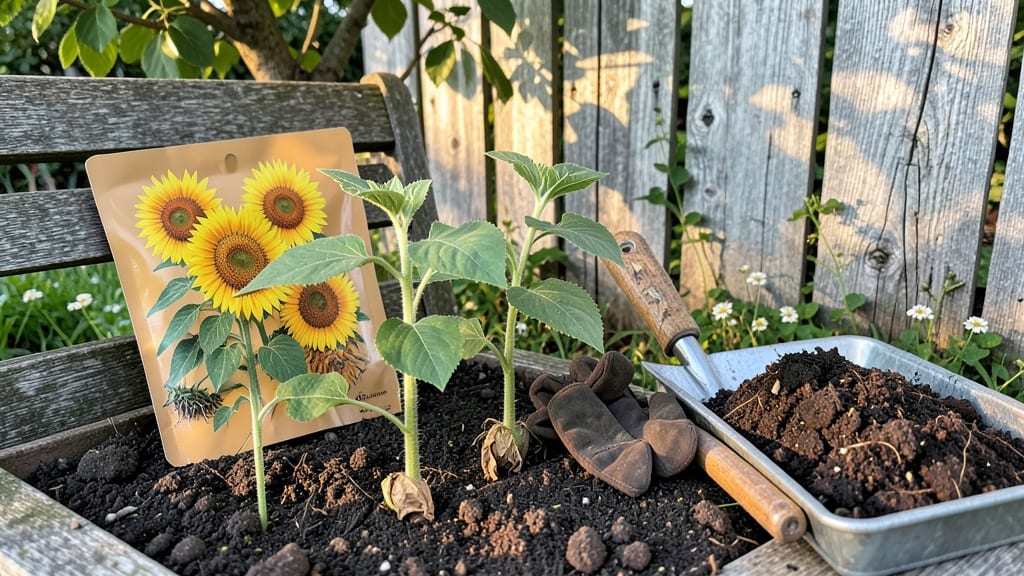
Planting sunflowers in Oklahoma after the last frost date—typically mid-April to early June—sets the stage for those iconic towering blooms that define summer gardens.
If you’ve ever watched your sunflower seedlings shiver under a late frost or wilt in the heat, you know timing is everything. The right window means 6-foot stalks by July, not stunted plants struggling to survive. Here’s how to nail it in USDA Zones 7a and 7b.
Oklahoma’s climate varies by region, but most gardeners align with the mid-April kickoff after the average last frost. Soil should be at least 50°F—warmer than you’d think for these sun-loving giants.
Varieties like ‘Mammoth’ or ‘Autumn Beauty’ thrive with this timing, while dwarf types can stretch the window slightly later.
Below, I’ll break down the exact deadlines, soil prep secrets, and how to adjust for Oklahoma’s microclimates—so your sunflowers reach their full potential from seed to bloom.
Optimal sunflower planting timeline for Oklahoma’s USDA Zones 7a/7b
Sunflowers thrive in Oklahoma’s warm climate, but timing is everything. In USDA Zones 7a/7b, the last frost date typically falls between mid-March and early April. Planting too early risks frost damage, while waiting too long may result in shorter blooms before winter.
Let’s break down the perfect window for sunflower planting to ensure those towering golden blooms reach their full potential.
For maximum growth, aim to plant sunflower seeds 2-3 weeks after the last frost. This usually means mid-April to early May in most of Oklahoma. However, soil temperature must also be considered—sunflowers need soil temperatures above 50°F to germinate properly.
Using a soil thermometer ensures your seeds won’t sit dormant in cold ground.
Here’s a quick reference for Oklahoma’s planting deadlines based on sunflower maturity zones. Most varieties take 80-100 days to reach full bloom, so late plantings may not produce flowers before the first frost in mid-November.
If you’re growing tall sunflowers like 'Russian Giant', plant them in late May to early June to ensure they mature before the first frost. These varieties can take up to 120 days to reach full height, so rushing them risks stunted growth.
For dwarf varieties, like 'Teddy Bear', you can plant as early as late March to early April in Zone 7b, but always monitor weather forecasts for late frosts.
Oklahoma’s climate can be unpredictable, so consider using row covers or black plastic mulch to warm the soil and protect young seedlings. These methods create a microclimate that extends the growing season by 1-2 weeks, giving your sunflowers a head start.
Always remove covers once plants are established to avoid overheating.
For succession planting, sow additional seeds every 2-3 weeks from April through July. This ensures a continuous display of blooms throughout the summer and early fall. Just be sure to space your plantings 12-18 inches apart to avoid overcrowding, which can lead to pale, leggy stems and fewer flowers.
In Zone 7a, where frosts can linger longer, delay planting until mid-April or wait until the soil is consistently above 55°F. Use a soil thermometer to track temperatures—this small tool can save your seeds from sitting dormant in cold soil.
If you’re unsure, opt for fast-maturing varieties like 'Autumn Beauty', which bloom in just 55 days.
Watering is critical after planting. Keep the soil consistently moist but not soggy, especially during germination. Once seedlings emerge, reduce watering slightly to encourage strong root development. Deep watering 2-3 times per week is ideal, especially during Oklahoma’s hot summer months when evaporation rates are high.
Finally, remember that sunflowers are heliotropic, meaning they follow the sun. Plant them in a location with full sun exposure (6+ hours daily) to ensure those iconic faces turn toward
How to adjust planting dates for Oklahoma’s microclimates and varieties
Oklahoma’s diverse microclimates—from the cooler Panhandle to the humid Cross Timbers—mean your sunflower planting dates should shift based on location and variety. Giant varieties like 'Mammoth' need longer growing seasons, while dwarf oil-type sunflowers like 'Russian Giant' can tolerate shorter windows.
Start by checking your last frost date, which ranges from mid-March in southern Oklahoma to early April in the Panhandle.
For northern Oklahoma (USDA 7a), prioritize early-maturing varieties like 'Teddy Bear' or 'Autumn Beauty' to avoid late-season frost damage. In central/southern Oklahoma (USDA 7b), you can extend planting into early June for fall-blooming varieties like 'ProCut' or 'Sunspot'.
Always adjust for soil temperature—wait until it reaches 50°F for germination.
🌱
- 🌡️ Panhandle (Zone 7a): Plant giant varieties (e.g., 'Russian Giant') by April 15 for 90-day harvests before first frost. Use row covers if late frosts linger.
- 🏞️ Central Oklahoma (Zone 7b): Extend planting to May 10 for dwarf varieties (e.g., 'Sunflower 'Lemon Queen'') or succession plant every 2 weeks for continuous blooms.
- 🌵 Arid West (e.g., Lawton): Plant oil-type sunflowers (e.g., 'NuSun') in late April and mulch heavily to retain moisture. Avoid late plantings—heat stress stunts growth.
- 🌧️ Humid East (e.g., Tulsa): Start dwarf varieties indoors in March for transplanting after last frost. Use fungicide if rainfall exceeds 2 inches/week.
- ⏳ Fall Planting (All Regions): Sow fast-maturing varieties (e.g., 'Autumn Beauty') by July 15 for September-October blooms. Protect seedlings with cloches if nights dip below 55°F.
Protect seedlings from late frosts with floating row covers or black plastic mulch, which warms soil faster. In heatwave-prone areas like western Oklahoma, provide afternoon shade for young plants to prevent bolting. For succession planting, stagger sowings every 10–14 days to ensure a continuous harvest.
Choose heat-tolerant varieties like 'ProCut' for southern Oklahoma or cold-hardy types like 'Autumn Beauty' for northern regions. Always monitor soil moisture—drought stress delays flowering. With these adjustments, you’ll maximize your sunflowers’ potential, whether you’re growing them for cut flowers, birdseed, or culinary oil.
🌻