
Companion Plants
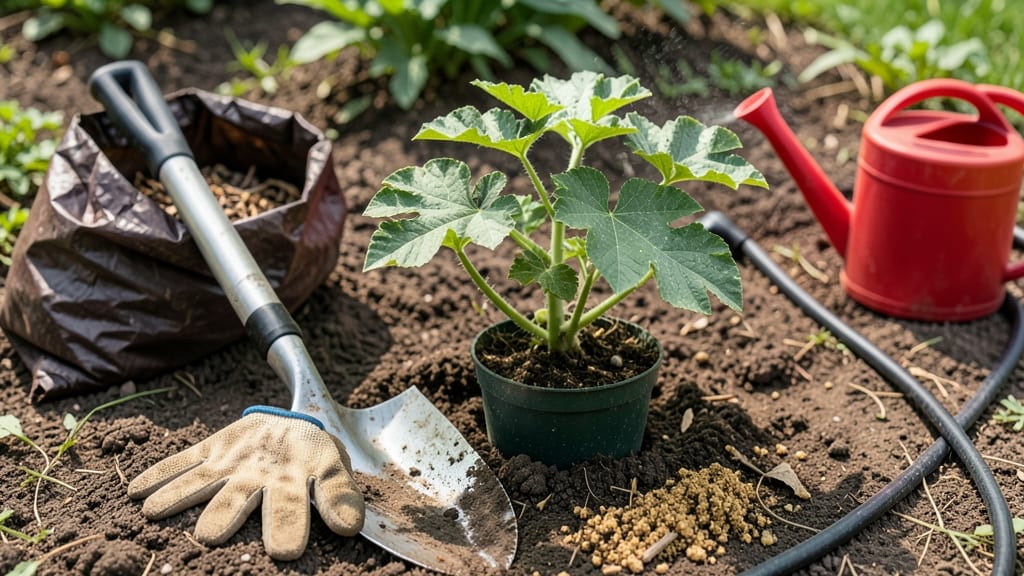
Planting watermelon in Florida 🍉 means timing it right to beat the heat and avoid wasted effort—your best windows are mid-February to late March for spring harvests or late July to early August for summer crops.
Here’s the catch: Florida’s frost-free zones mean no last-frost dates to wait for, but soil temperature still rules the game. Plant too early, and cool ground slows germination; too late, and your vines may bolt before fruiting.
The key is waiting for that 70°F+ soil—a simple trick with black plastic mulch can speed things up.
Whether you’re in the Panhandle or the Keys, regional microclimates shift the ideal dates. North Florida’s cooler springs demand earlier starts, while South Florida’s brutal summer heat calls for heat-resistant varieties like ‘Sugar Baby’ or ‘Charleston Gray.’
Below, I’ll break down the exact months by region, the varieties that thrive in Florida’s extremes, and how to stretch your harvest from May through October—no frost, no guesswork.
Optimal planting months for Florida watermelons: frost-free zones and heat tolerance
Florida’s frost-free growing season gives watermelon lovers a year-round advantage, but timing still matters to avoid bitter fruit or heat stress. Unlike northern states, Florida’s microclimates mean North Florida has cooler springs, while South Florida can plant year-round.
The key is soil temperature—watermelons need 70°F+ soil to germinate properly.
In North Florida (Panhandle to Orlando), last frost dates rarely apply, but early spring chills (below 50°F) can delay growth. Central Florida (Tampa to Gainesville) enjoys warmer soils by mid-February, while South Florida (Miami to Key West) can start as early as January—but heat tolerance becomes the bigger challenge in summer months.
Here’s the region-by-region breakdown of when to plant watermelons in Florida, including critical deadlines to avoid frost damage (yes, it happens in the Panhandle!) and heat-related failures.
| Florida Region | Optimal Planting Window | Soil Temp Requirement | Critical Deadlines | Harvest Window |
|---|---|---|---|---|
| North Florida (Panhandle to Orlando) | Mid-February to late March (spring) or late July (summer) | 70°F+ (use black plastic mulch) | Avoid planting before March 15 (risk of 40°F nights) | May–June (spring) or September (summer) |
| Central Florida (Tampa to Gainesville) | Early February to early April (spring) or late June (summer) | 65°F+ (warmer than North) | No hard deadlines, but April 15 is ideal for spring | April–June (spring) or August–September (summer) |
| South Florida (Miami to Key West) | January–March (spring) or August–September (summer) | 60°F+ (tropical climate) | Year-round possible, but avoid July (extreme heat) | March–May (spring) or October–November (summer) |
| All Regions (Heat Tolerance Tip) | Late July–early August (summer escape) | 75°F+ (use shade cloth for seedlings) | Plant by August 10 for fall harvest | September–October (avoid winter chills) |
🌱 Pro Tip: Use a soil thermometer to confirm 70°F+ before planting!
For North Florida, the Panhandle’s cooler springs mean waiting until mid-February ensures soil warmth and avoids frost pockets that can linger until March.
If you plant too early, seedlings may rot in cold, wet soil. Black plastic mulch is your best friend here—it warms soil 10–15°F faster than bare ground.
Central Florida gardeners have a wider window thanks to warmer microclimates, but humidity spikes in late spring can lead to powdery mildew. To combat this, space vines 3–4 feet apart and prune lower leaves for airflow. Succession planting in late June gives you a second harvest before hurricane season cuts off growth.
In South Florida, year-round planting is possible, but July’s scorching heat (often 90°F+) can shock seedlings. Start seeds indoors in shade cloth tunnels or use heat-tolerant varieties like ‘Sugar Baby’. Avoid planting in August—the combination of heat and humidity creates ideal conditions for disease.
One common mistake Florida gardeners make is ignoring soil temperature. Even if the air is 75°F, soil may still be too cool for germination.
Test it with a soil thermometer—if it’s below 70°F, wait 1–2 weeks or use row covers to warm it faster. Slow germination leads to weak seedlings that
Heat-resistant watermelon varieties that thrive in Florida’s summer: top 5 picks for zero-frost growing
Florida’s relentless summer sun and humidity can turn watermelon vines into wilting messes if you pick the wrong variety. The key is selecting heat-tolerant and disease-resistant watermelons bred to handle Florida’s 90°F+ temperatures and 90% humidity.
These varieties won’t just survive—they’ll thrive, producing sweet, juicy fruit even when other plants struggle. Let’s dive into my top 5 heat-resistant picks that consistently deliver in Florida’s climate.
First, let’s address the elephant in the garden: not all watermelons are created equal. Varieties like ‘Jubilee’ or ‘Blacktail Mountain’ might do well in cooler climates, but they often bolt (flower prematurely) or develop bitter fruit in Florida’s heat.
The varieties I recommend below have been field-tested in Florida’s USDA zones 9a-11 for their ability to handle intense sun, high humidity, and occasional tropical storms.
At the top of my list is ‘Crimson Sweet’, a classic Florida favorite that’s been a staple for decades. This variety handles 95°F+ temperatures like a champ and produces medium-sized (15-20 lb) melons with deep red flesh and excellent sweetness.
It’s also high-yielding, meaning you’ll get more fruit per vine than many other varieties. Plant it in late February to early March for a spring harvest or late July for a fall crop.
Just watch for powdery mildew—a common issue in Florida’s humidity—and apply neem oil preventatively every 2 weeks.
If you’re short on space or prefer smaller, sweeter melons, ‘Sugar Baby’ is my go-to. These 3-5 lb watermelons are perfect for containers or small gardens and ripen in just 65-70 days, making them ideal for succession planting.
They’re also less prone to cracking in Florida’s erratic summer rains. For best results, plant them in raised beds with well-draining soil and mulch heavily to retain moisture. Harvest when the ground spot turns cream-colored—this variety is ready to eat just 3 days after that color change.
For gardeners dealing with Florida’s fungal diseases (like fusarium wilt or gummy stem blight), ‘Charleston Gray’ is a disease-resistant powerhouse. Its gray-striped rind isn’t just for looks—it’s a visual cue that this variety thrives in humid, high-heat conditions.
The fruit is seedless and bursting with sweetness, making it a crowd-pleaser. To maximize its potential, rotate crops annually (don’t plant cucurbits in the same spot) and avoid overhead watering to prevent fungal spores from splashing onto leaves.
Need high yields without sacrificing quality? ‘Black Diamond’ is my #1 recommendation for large-scale Florida gardens. This variety produces 20-25 lb melons with deep red flesh and minimal seeds, and it’s extremely heat-tolerant.
It’s also less prone to bolting in Florida’s heat, meaning you’ll get more consistent fruit set. For best results, trellis the vines to save space and use drip irrigation to keep foliage dry. Plant in late February for spring or mid-July for fall harvests.
Finally, if you’re growing watermelons for commercial sales or large families, ‘Congo’ is a high-yielding giant that thrives in Florida’s heat. These 30-40 lb melons are seedless, sweet, and perfect for slicing.
They take 80-85 days to mature, so they’re best planted in late February for a summer harvest.
To prevent fruit rot (a common issue with large melons in Florida’s humidity), apply a thick layer of straw mulch around the base of the vine and avoid watering the fruit directly.
When choosing your watermelon variety, always consider your garden’s microclimate. Coastal areas with high humidity may need more disease-resistant varieties like ‘Charleston Gray’, while inland regions with hotter, drier summers can handle ‘Crimson Sweet’ or ‘Black Diamond’ with ease.
And remember: soil temperature matters most—wait until the soil reaches 70°F+ before planting, even if air temperatures are lower. Happy growing! 🌱