
Flowers
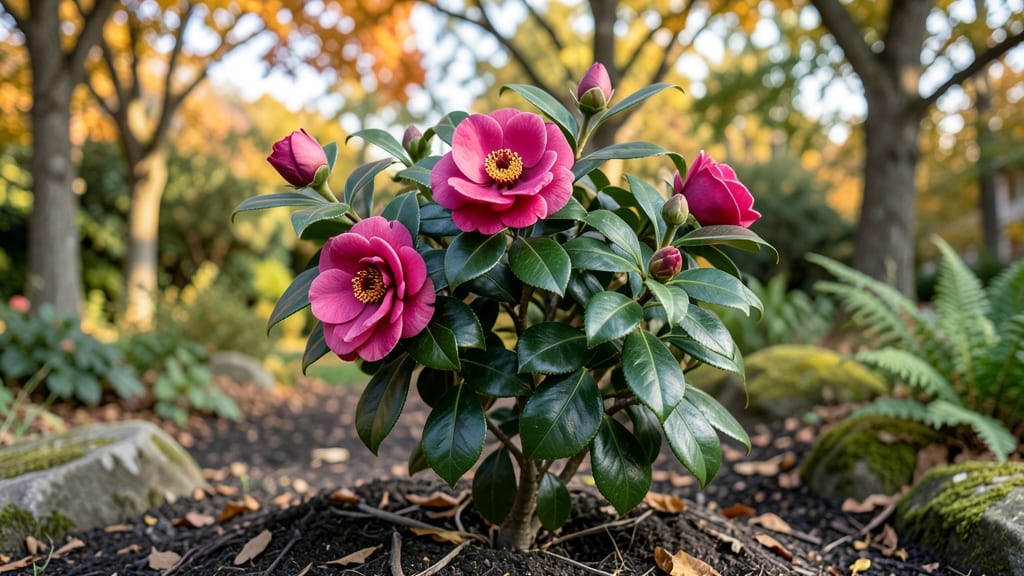
Camellia flowers bloom in late fall through early spring 🌸, with timing that depends on the variety and your local climate.
If you’ve ever wondered why your camellia blooms seem to vanish overnight—or why some varieties flower in winter while others wait for spring—you’re not alone. The secret lies in their natural cycles, which are triggered by cooler temperatures and shorter days.
For example, Camellia sasanqua often bursts into color in late fall, while Camellia japonica typically waits until late winter or early spring.
Understanding these patterns isn’t just about patience—it’s about creating the right conditions to extend your blooms. Whether you’re in USDA Zones 7-10 or adjusting for regional microclimates, small tweaks like pruning at the right time or choosing the right variety can turn your garden into a year-round floral display.
Below, I’ll break down the key factors that influence bloom time and how to troubleshoot common issues.
You’ll discover how to read your plant’s signals, when to fertilize for maximum impact, and why some camellias refuse to flower—plus proven fixes to get them back on track. Ready to unlock the full potential of your 🌸?
Camellia flowering seasons by variety: winter vs spring bloomers explained
Camellias are famous for their stunning blooms, but their flowering windows vary dramatically by variety. Some winter-blooming camellias like Camellia sasanqua burst into color from November to February, while others, such as Camellia japonica, wait until March or April for their spring display.
This timing isn’t random—it’s tied to their natural growth cycles and environmental triggers.
Understanding these differences helps you choose the right variety for your climate and even extend bloom periods with proper care. For example, cooler coastal regions like California’s Zone 9 may see winter blooms earlier, while hotter inland areas might delay spring blooms until late April.
Let’s break down the key varieties and what to expect.
🌸 Visual Guide: Winter vs. Spring Bloomers
| Variety | Bloom Season | Key Features | Best For |
|---|---|---|---|
| Camellia sasanqua | Late fall to early winter (Nov-Feb) | Fragrant, smaller blooms; cold-hardy | Coastal climates, winter interest |
| Camellia japonica | Early to mid-spring (Mar-Apr) | Large, showy blooms; less cold-tolerant | Garden focal points, formal landscapes |
| Camellia reticulata | Winter to early spring (Dec-Mar) | Bold, peony-like flowers; needs warmth | Mild winters, container gardening |
| Camellia x williamsii | Late winter to spring (Feb-Apr) | Hybrid vigor; disease-resistant | Low-maintenance gardens, urban areas |
If you’re in USDA Zones 7-9, Camellia sasanqua is your best bet for winter color, while Camellia japonica thrives in Zones 8-10 for spring displays. The key to extending bloom periods lies in understanding their light and temperature needs.
For instance, winter bloomers like sasanqua often need afternoon shade to prevent bud drop in hot climates.
For spring-blooming varieties, timing is critical. Camellia japonica buds form in late summer, so avoid heavy pruning then—it can remove next year’s flowers. Instead, prune right after blooming to shape the plant without sacrificing future blooms.
This precision ensures your camellia puts energy into bud development rather than unnecessary growth.
Regional adjustments matter too. In warmer southern climates, winter bloomers may start as early as October, while in cooler northern zones, spring bloomers might wait until May.
To encourage earlier blooms, provide consistent moisture and avoid fertilizing in late summer—this mimics the plant’s natural dormancy cues.
One of my favorite tricks for prolonging blooms is deadheading spent flowers. For winter varieties, remove faded blooms in early spring to redirect energy to new buds. For spring varieties, wait until after the main bloom season to prune, as this prevents cutting off next year’s flowers.
This simple step can add weeks of extra color to your garden.
Don’t overlook soil acidity either—camellias thrive in pH 5.0-6.0 soil. A quick soil test can reveal if your garden is too alkaline, which stunts blooming. Amending with peat moss or sulfur can make a world of difference.
Pair this with balanced fertilizer (like 10-10-10) in early spring, and you’ll see stronger, more abundant blooms.
For container-grown camellias, pot size matters. Root-bound plants struggle to flower, so repot every 2-3 years into a container just 1-2 inches larger than the current one. This encourages root growth, which in turn supports more bud formation.
Place containers in partial shade and water deeply when the top inch of soil dries—this mimics natural rainfall patterns.
Finally, embrace seasonal layering. Plant winter bloomers near evergreens for year-round structure, while spring bloomers shine against early spring bulbs like daffodils. This creates a sequential bloom display that keeps your garden vibrant from fall to spring.
With these tips, you’ll unlock the full potential of your camellias—turning your garden into a floral calendar of color. 🌿
5 Key factors that trigger Camellia blooms (and how to control them)
Camellias are famous for their stunning, long-lasting blooms, but getting them to flower reliably requires understanding their natural triggers. Unlike many plants, camellias don’t bloom on old wood—they need new growth to form buds.
This means timing is everything, from light exposure to temperature shifts and even pruning strategies. By mastering these five factors, you can coax your camellia into a spectacular display—whether you want winter blooms or a spring spectacle.
The secret to triggering camellia blooms lies in mimicking their natural growing conditions. In their native Asia, these shrubs experience distinct seasonal shifts that signal it’s time to flower. Replicating these cues in your garden—like cooler temperatures after summer heat or adequate moisture—can make all the difference.
For example, Camellia sasanqua varieties often bloom in fall, while Camellia japonica wait for spring. Understanding these differences helps you adjust care for maximum impact.
One of the most common mistakes gardeners make is over-pruning in the wrong season. If you trim your camellia in late summer or early fall, you’re likely cutting off next year’s flower buds, which form on new growth.
Instead, focus on light shaping after blooms fade. For example, if your Camellia japonica flowers in spring, prune in May or June—never after July.
Soil pH is another silent bloom-killer. If your camellia’s leaves turn yellow with green veins, it’s a classic sign of alkaline soil. To fix this, mix elemental sulfur into the top 6 inches of soil in fall and top-dress with pine needles or oak leaves to maintain acidity.
A simple soil test kit (available for $10) can save you from guessing.
For variety-specific adjustments, Camellia sasanqua (fall bloomers) benefit from warmer fall temperatures and less watering as winter approaches. Meanwhile, Camellia japonica (spring bloomers) need consistent moisture during bud formation in late winter.
Adjust your watering schedule based on your variety’s natural bloom cycle—this small tweak can double your flower count.
Remember, patience is key. It can take 3-5 years for a young camellia to establish enough energy for robust blooms. During this time, focus on healthy foliage and root development.
Once established, your camellia will reward you with months of vibrant flowers—if you give it the right conditions. 🌸