
Planting
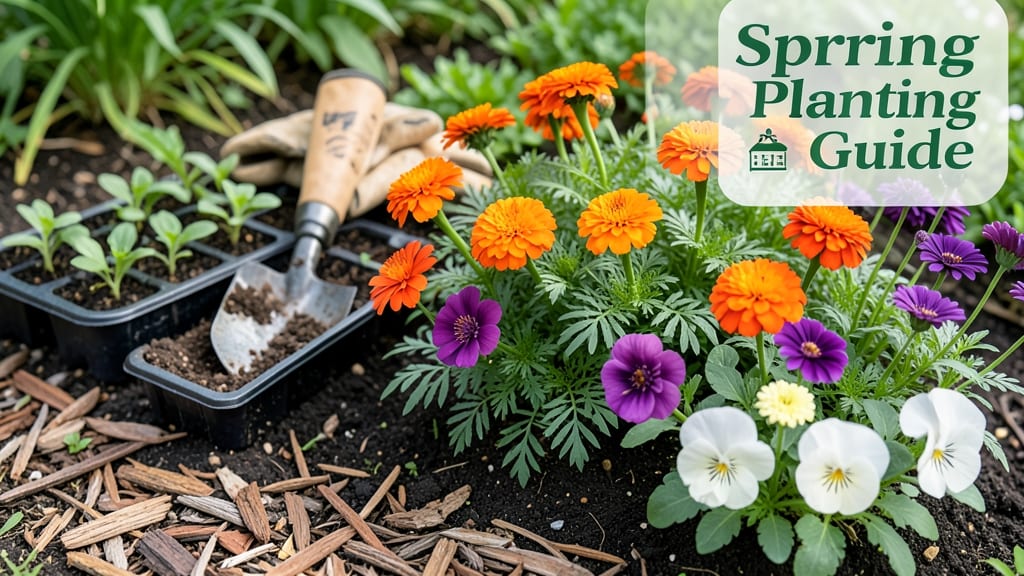
The best time to plant flowers outside depends on your last frost date and USDA zone, but most gardeners wait until after the last frost when soil warms to 60°F or higher.
Timing your flower planting wrong can mean wilting dreams before buds even form—but get it right, and you’ll enjoy vibrant blooms all season long. The secret? Understanding your USDA zone and frost dates to plant at the perfect moment.
For example, in Zone 6a, spring planting kicks off around mid-April, while fall planting should happen by early September. Annuals like petunias thrive when planted early, while perennials often prefer fall for stronger root establishment.
Below, I’ll break down the exact planting windows by region, how to adjust for containers, and the three key mistakes that kill early-season blooms before they start.
USDA Zone planting calendar: exact months to plant flowers by region
Getting your flowers planted at the right time means the difference between a garden bursting with color and one that struggles to take root. Your USDA zone determines when to plant—whether you're in frost-prone Zone 5 or warm Zone 10.
Each region has its own frost-free window, and missing it can stunt growth or kill young plants before they bloom. Let’s break down the exact months for annuals, perennials, and bulbs so you can plan with confidence.
Most gardeners focus on spring planting, but fall is equally important—especially for bulbs like tulips or cool-season annuals that thrive in milder weather. The key is aligning your planting with soil temperature and frost dates.
For example, in Zone 3, you’ll plant much earlier than in Zone 9, where frost is rare. Let’s dive into the specifics for each zone to help you time your plantings perfectly.
In Zones 3-4, where winters are harsh, focus on late spring planting (after the last frost, typically mid-April to June). Tulips and daffodils should be planted in fall (September-October) to bloom early the following spring.
These zones have the shortest growing season, so prioritize cold-hardy annuals like marigolds or pansies that can withstand cooler temperatures.
For Zones 5-6, you’ve got a slightly longer window—plant annuals like petunias in mid-April to May once the soil warms to at least 60°F. Perennials like peonies can handle early spring or fall planting, while bulbs like crocus thrive when planted in fall for spring blooms.
These zones often experience late spring frosts, so keep an eye on weather forecasts and use frost cloth if needed.
Gardeners in Zones 7-8 enjoy two planting seasons: spring (March-April) and
How to use a USDA Zone calculator to find your frost dates
Planting flowers at the wrong time can turn your gardening dreams into a sad, frost-killed mess—but don’t worry! The USDA Zone Calculator is your secret weapon for timing plantings perfectly.
This tool helps you pinpoint your last spring frost and first fall frost, so you can plant when your flowers will thrive, not freeze. Let’s break it down step by step.
First, head to the official USDA Plant Hardiness Zone Map ([planthardiness.ars.usda.gov](https://planthardiness.ars.usda.gov/)). Here, you’ll enter your zip code or city to unlock frost probability charts for your exact location.
These charts show the average last frost date in spring and the average first frost date in fall—critical info for scheduling your flower plantings.
Step-by-Step: Find Your Frost Dates
- 1 Enter your location: Type your zip code or city into the USDA calculator to pull up your USDA zone and frost data.
- 2 Locate frost charts: Find the probability charts for your zone. These show the 10%, 50%, and 90% frost risk dates—think of the 50% mark as your "safe bet."
- 3 Adjust for early/late frosts: If your area has unpredictable frosts, add a 2-week buffer to your planting dates. For example, if the 50% last frost is April 15, wait until May 1 to plant frost-sensitive flowers like petunias.
- 4 Check soil temperature: Use a soil thermometer to confirm the ground is at least 60°F—most flowers need warm soil to root properly.
- 5 Plan for fall planting: For cool-season flowers like pansies, plant 6-8 weeks before your first frost to ensure they establish roots before winter.
Once you’ve nailed down your frost dates, adjust your planting schedule accordingly. For annual flowers, wait until after your last frost date to avoid frost damage. For perennials, consider planting in early spring or late summer to give roots time to establish before winter.
Pro tip: Use row covers or cold frames to extend your growing season if needed.
Don’t forget to account for microclimates in your garden. A south-facing wall or a low-lying area might frost earlier than the rest of your yard. If you’re unsure, observe your garden for a few years or ask local gardeners for their frost timelines—every yard is unique!
With this info, you’ll be planting flowers at the perfect moment for maximum blooms and zero frost bites.
Now that you’ve mastered frost dates, you’re ready to plant with confidence. Grab your seeds, mark your calendar, and watch your garden flourish—no more guessing games! 🌸