
Plants
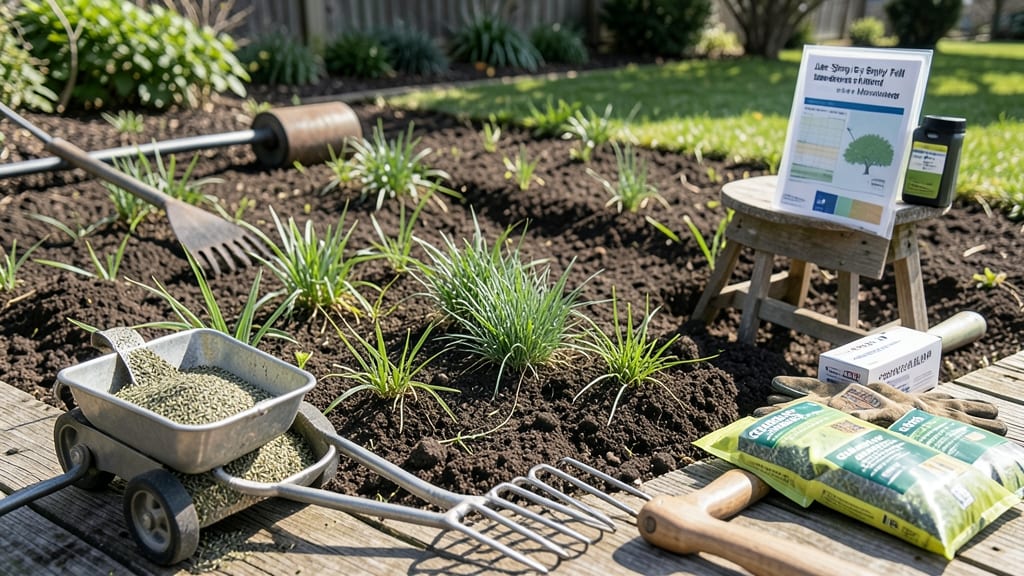
Planting grass in Michigan at the right time ensures thick, vibrant coverage—not patchy, slow growth—so timing your project to match soil temperatures and frost-free windows is the key.
Michigan’s unpredictable spring weather can turn a perfect grass-planting window into a guessing game—but timing your lawn project right means the difference between lush green coverage and patchy, slow growth.
For Zone 5a-6b, the ideal window opens 4-6 weeks after the last frost (typically mid-April to early May) or in early fall (September-October) when soil warms to 50-65°F.
Below, I break down the exact soil temps to watch, regional frost-date maps, and how to prep your lawn for maximum success—whether you’re seeding, sodding, or overseeding.
Michigan’s ideal grass planting window: soil temperature & frost-free deadlines
Timing your grass planting in Michigan isn’t just about the calendar—it’s about soil temperature and frost-free dates. Cool-season grasses like tall fescue and Kentucky bluegrass thrive when soil reaches 50-65°F, while warm-season options like zoysia need 65-75°F.
Michigan’s USDA zones 5a-6b mean regional variations, so your Upper Peninsula timeline differs from the Lower Peninsula.
Most Michigan gardeners target early spring (April-May) or early fall (September-October) for planting. Spring offers longer daylight, but fall provides cooler temps and fewer weeds. The key is planting 4-6 weeks before the first frost—typically mid-October in southern Michigan and early October in northern areas.
| Region | Ideal Planting Window | Soil Temp Threshold | Last Frost Date | First Frost Date |
|---|---|---|---|---|
| Lower Peninsula (South) | April 15 - May 15 September 1 - September 30 |
50-65°F | Early May | Mid-October |
| Lower Peninsula (North) | April 20 - May 20 August 20 - September 15 |
50-65°F | Mid-May | Late September |
| Upper Peninsula | May 1 - May 15 August 1 - August 20 |
55-65°F | Late May | Early October |
To check your exact frost-free dates, use the Michigan State University Extension’s frost map or the National Weather Service’s climate tool. These resources account for microclimates—your backyard might be 2-3 weeks earlier than official records if it’s in a south-facing slope or near water.
For spring planting, wait until the soil temperature stays above 50°F for 5 days straight. Use a soil thermometer (available at garden centers) to monitor—planting too early risks frost damage or slow germination.
In my USDA Zone 6a yard, I’ve found that late April is ideal for tall fescue seeds.
Fall planting offers a longer establishment window before winter, but aim to finish 6 weeks before the first frost. This gives grass time to develop deep roots before dormancy.
In southern Michigan, I’ve had success planting Kentucky bluegrass in early September, while northern regions should plant by mid-August.
Warm-season grasses like bermudagrass or zoysia should only be planted in late spring (May-June) when soil is consistently above 65°F. These varieties struggle in Michigan’s cool summers and often require overseeding with cool-season grasses for year-round coverage.
Pro tip: Use the Michigan Garden Calendar (available online) to sync your planting with local rainfall patterns. For example, April showers can delay spring planting, while September droughts may require extra irrigation for fall seeds.
If you’re unsure about your exact planting window, err on the side of waiting. Grass seeds planted in too-cold soil (below 50°F) rot before germinating, while seeds planted too late in fall may not establish strong roots before winter.
Always test your soil with a thermometer before planting.
Remember: Michigan’s humid climate means even timing matters. Plant in the morning to avoid midday heat stress on seeds, and water lightly afterward to help them settle into the soil.
With the right timing, you’ll see uniform germination in 14-21 days—a far cry from the patchy results of off-season planting. 🌱
Step-by-step guide: preparing your Michigan lawn for planting (soil to seed)
Getting your Michigan lawn ready for planting isn’t just about dropping seeds—it’s about creating the perfect foundation. Cool-season grasses like Kentucky bluegrass and tall fescue thrive in Michigan’s climate, but they need well-prepared soil and precise timing to establish strong roots.
Start by testing your soil’s pH level (ideal: 6.0–7.0) and nutrient balance, as Michigan’s clay-heavy soils often need compost or lime to improve drainage and fertility.
Once your soil is ready, tilling depth matters—aim for 4–6 inches to loosen compacted soil without disturbing deeper layers.
This step breaks up old roots and thatch while incorporating organic matter. Weed control is critical too: apply a pre-emergent herbicide 2–4 weeks before planting to prevent crabgrass and other weeds from competing with your new grass.
Your Michigan Lawn Prep Checklist
- 🌱 Test Soil: Use a pH test kit (aim for 6.0–7.0) and add lime or sulfur if needed. Michigan’s clay soils often need compost or peat moss for better drainage.
- 🔧 Till Soil: Loosen top 4–6 inches with a tiller, removing debris and old grass clumps. Avoid over-tilling, which can damage soil structure.
- 🪴 Choose Seeds: Pick cool-season grasses (Kentucky bluegrass, tall fescue) for Michigan’s climate. Warm-season options (like Bermuda) struggle in northern regions.
- 💧 Watering Plan: Water daily for 10–15 mins for the first 2 weeks, then taper to deep watering 2–3x weekly. Use a rain gauge to track 1–1.5 inches per week.
- ✂️ First Mow: Wait until grass reaches 3–4 inches before mowing. Set blades to 3 inches for optimal growth and drought resistance.
Selecting the right grass seed is half the battle. Michigan’s USDA zones 5a–6b favor cool-season grasses that handle frost and humidity. Tall fescue and Kentucky bluegrass are top choices for shade tolerance, while perennial ryegrass germinates quickly for faster coverage. For sunny areas, fine fescue offers drought resistance once established.
After planting, watering consistency is key—especially in Michigan’s humid summers. Use a sprinkler with even coverage and water early morning to reduce evaporation and fungal risks. A soil moisture meter helps avoid over/under-watering, as Michigan’s clay soils can hold too much moisture or dry out quickly.
Aim for 1–1.5 inches per week, adjusting for rain.
Finally, fertilize lightly 4–6 weeks after planting with a high-nitrogen, slow-release fertilizer (16-4-8 ratio). This promotes root growth without burning young seedlings. In fall, apply a light feeding in early September to strengthen grass for winter. Avoid fertilizing in late summer, as it encourages tender growth vulnerable to frost.
With these steps, your Michigan lawn will establish a dense, resilient turf that outlasts the state’s unpredictable weather—from spring frosts to summer humidity. Happy planting! 🌿