
Planting
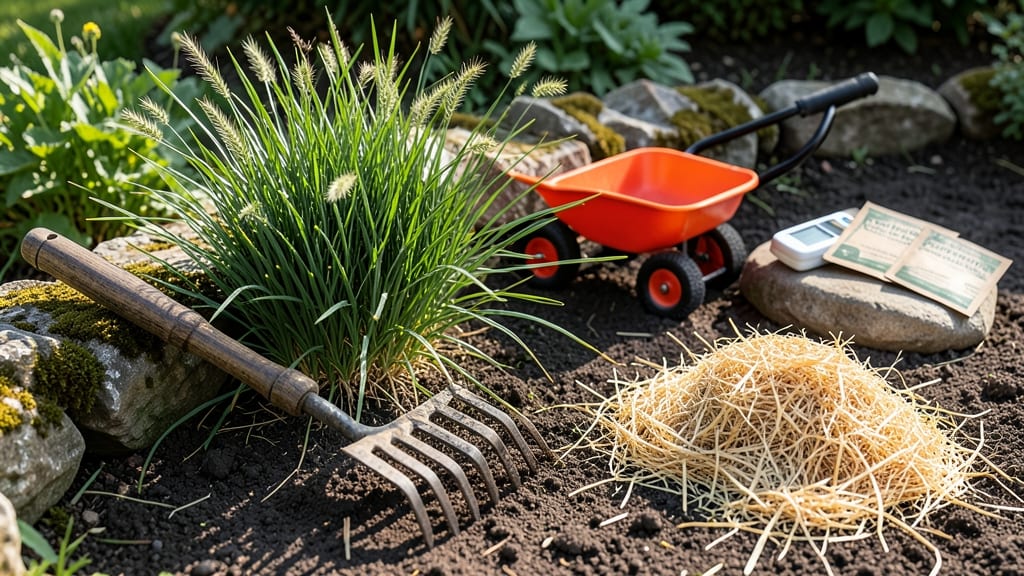
Planting grass seed in North Carolina at the right time ensures your lawn thrives 🌱—and getting the timing wrong can leave you with thin patches or wasted effort.
If you’ve ever stared at a seed packet wondering, "Why isn’t this working?" it’s likely because the soil was too hot, too cold, or the weather was about to turn.
North Carolina’s 6a-8b zones mean frost dates shift from March in the mountains to April along the coast, so a one-size-fits-all answer won’t cut it.
Below, I’ll break down the ideal planting windows for your region, how to check soil temperature like a pro, and the grass types that perform best in spring versus fall.
You’ll leave here knowing exactly when to plant—whether you’re seeding in March for cool-season grasses or waiting for late summer’s warm-season varieties—plus how to keep weeds and drought from sabotaging your progress.
Best planting months for grass seed in North Carolina by region
North Carolina’s diverse climate—from the humid Coastal Plains to the cooler Mountains—means your grass seed planting timeline should match your region’s unique frost patterns and soil conditions. Planting at the wrong time can lead to poor germination or weak grass that struggles to establish before winter.
For best results, aim for soil temperatures between 55-65°F for cool-season grasses and 65-75°F for warm-season varieties, while avoiding late spring planting risks like drought stress.
Fall is the golden window for most of North Carolina, but spring planting is possible in the southern Coastal Plains. The Piedmont and Mountains have shorter growing seasons, so timing is even more critical.
Below, I’ve broken down the ideal planting months by region, including frost-free dates and soil temperature thresholds to help you plan like a pro.
⚠️ Key Reminder: Always check your local USDA Plant Hardiness Zone (NC ranges from 6a-8b) and monitor soil temps with a soil thermometer before planting. A quick online search for your county’s frost dates will save you from costly mistakes.
| Region | Frost-Free Window | Best Planting Months | Soil Temp Threshold | Grass Type Recommendation |
|---|---|---|---|---|
| Coastal Plains (Zones 8a-8b) | Last Frost: March 1-15 First Frost: December 1-15 |
Fall: Sept 15-Oct 15 Spring: March 1-April 15 |
Cool-Season: 55-65°F Warm-Season: 65-75°F |
Tall Fescue, Bermuda, Zoysia |
| Piedmont (Zones 7a-7b) | Last Frost: April 1-15 First Frost: November 1-15 |
Fall: Aug 15-Sept 30 Spring: March 15-April 30 |
Cool-Season: 55-65°F Warm-Season: 65-75°F |
Kentucky Bluegrass, Tall Fescue, Centipede |
| Mountains (Zones 6a-6b) | Last Frost: April 15-May 1 First Frost: October 15-Nov 1 |
Fall: Aug 1-Sept 15 Spring: April 15-May 15 |
Cool-Season: 55-65°F Warm-Season: 65-75°F |
Tall Fescue, Fine Fescue, Ryegrass |
If you’re in the Coastal Plains, you’ve got the most flexibility—planting in late September through October gives seeds time to germinate before winter, while March-April works for spring. But if you’re in the Piedmont or Mountains, aim for late August to mid-September to avoid early frosts.
Pro tip: Warm-season grasses like Bermuda thrive when planted in late spring (May-June) once soil temps hit 70°F+, but they struggle in cooler zones like the Mountains.
For cool-season grasses (like tall fescue or Kentucky bluegrass), the 6-week rule applies: plant 4-6 weeks before your first frost date to ensure roots establish before winter. In the Mountains, this might mean late August, while the Coastal Plains can wait until mid-October.
Always double-check your local National Weather Service forecasts for unexpected cold snaps.
One common mistake I see? Planting too late in spring. By May, soil temps in the Piedmont and Mountains can spike, leading to dormant seeds or fungal issues.
Stick to early spring (March-April) for cool-season grasses, and you’ll avoid these pitfalls. For warm-season grasses, wait until after Memorial Day when soil temps are consistently 65°F+.
Regardless of your region, prep your soil 2-4 weeks before planting. Rake out debris, loosen the top 1-2 inches, and test your soil pH (aim for 6.0-7.0). In the Coastal Plains, where humidity is high, consider a fungicide treatment if planting in late fall.
And don’t forget to water lightly after planting—keep the soil consistently moist (not soggy) for the first 2-3 weeks to encourage germination.
For shade-prone areas, opt for fine fescue or Zoysia, which tolerate lower light better than Kentucky bluegrass. If you’re overseeding an existing lawn, late summer (August) is ideal—it fills in thin spots before winter. Just remember: Mountains need earlier prep, while Coastal Plains can extend planting
How to check soil temperature and frost dates before planting
Planting grass seed in North Carolina at the wrong time can lead to poor germination or even seed loss—especially when dealing with unpredictable spring rains or late-season frosts. To avoid these risks, I always check two critical factors: soil temperature and frost-free dates.
These two elements determine whether your grass seeds will thrive or struggle to establish roots.
For North Carolina’s USDA Zones 7a-8b, the ideal soil temperature for cool-season grasses (like tall fescue) is between 55-65°F, while warm-season grasses (like Bermuda) prefer 65-75°F.
Meanwhile, frost dates vary by region—Coastal areas may see last frosts as early as March 15, while mountain regions can experience them until April 15. Understanding these variables helps me plan the perfect window for planting.
🌡️ Step-by-Step Guide to Checking Soil & Frost Conditions
- Step 1: Purchase a Soil Thermometer
Invest in a digital soil thermometer (like the Thermopro TP16) for accurate readings. These tools measure temperature 1-2 inches deep, where grass seeds germinate. - Step 2: Test Soil Temperature Daily
Check temperatures at 10 AM or 2 PM (when soil is warmest). Record readings for 3-5 consecutive days to spot trends—especially in spring (March-April) or fall (August-September). - Step 3: Verify Frost-Free Dates
Use the USDA Plant Hardiness Zone Map or local Almanac forecasts (e.g., NC State Extension) to confirm your area’s last frost date. For Zone 7a-8b, this typically falls between March 15 and April 15. - Step 4: Adjust for Early/Fall Risks
If planting in early spring, wait until soil stays above 55°F for 5+ days to avoid frost damage. For fall planting, aim to finish 4-6 weeks before first frost (e.g., by October 15 in most of NC). - Step 5: Cross-Reference with Rainfall
Check a 7-day weather forecast for consistent rainfall (1 inch/week). Grass seeds need moisture to germinate, but too much rain can wash them away or cause soil compaction.
For example, in Raleigh (Zone 7b), I’d wait until mid-April for cool-season grasses, when soil temperatures consistently hit 60°F and frost risks drop below 10%. Meanwhile, in Asheville (Zone 7a), I’d push planting to late April due to later frosts.
These adjustments ensure my seeds get the optimal growing conditions they need.
Pro tip: Use a seed germination calculator (like Johnny’s Selected Seeds) to estimate how long your specific grass variety will take to sprout. This helps me time planting so seedlings aren’t caught in unexpected cold snaps or heatwaves.
For instance, tall fescue germinates in 14-21 days, so I plant it 6 weeks before frost to ensure full root establishment.
If you’re unsure about your local frost dates, I recommend contacting your county extension office—they provide hyper-localized advice based on recent climate trends. For example, Coastal NC may see earlier frosts than Piedmont, so timing can shift by 2-3 weeks between regions. Always double-check before you plant!
By mastering these steps, you’ll avoid the costly mistakes of planting too early or too late—and enjoy a thick, healthy lawn all season long. Happy planting! 🌱