
Plants
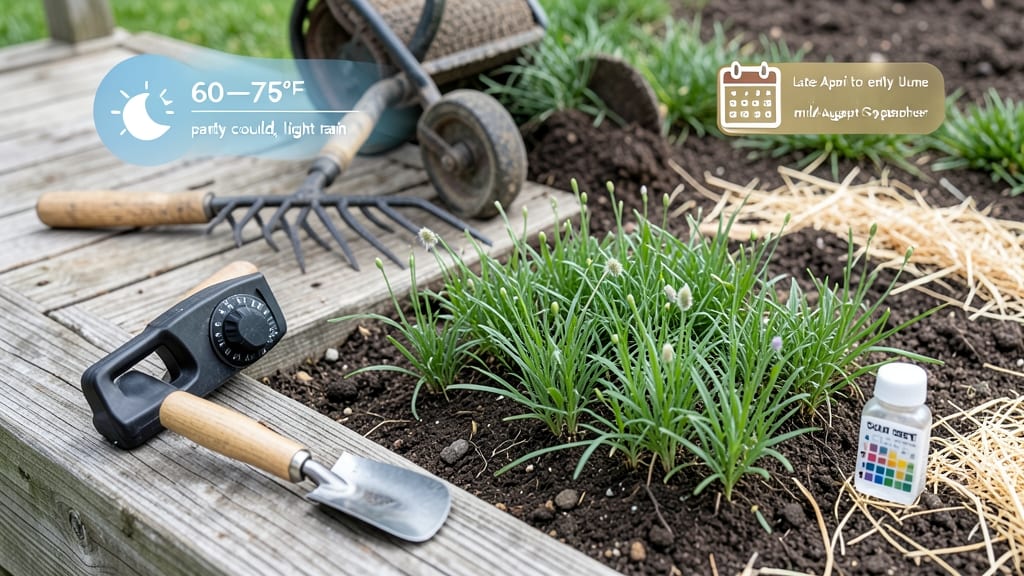
The best time to plant grass in Ohio is early spring or fall—when soil temperatures hover between 50°F and 65°F—to give roots a fighting chance against frost or summer drought.
Ohio’s unpredictable spring weather can turn your grass planting into a gamble—but timing matters more than luck. Plant too early, and frost will kill your seedlings; too late, and summer heat stunts root growth.
For cool-season grasses (like Kentucky bluegrass or tall fescue), fall planting is actually the gold standard in Ohio’s Zone 6a. The 6-week window before the first frost lets seeds germinate in warm soil while avoiding summer stress.
Here’s what you’ll learn: the exact soil temp thresholds, how to prep your lawn for success, and why fall often beats spring for long-term grass health—plus a month-by-month planting calendar tailored to Ohio’s climate.
Ohio grass planting timeline: why fall wins over spring for root strength
Ohio’s cool-season climate creates a perfect window for grass planting, but timing is everything. Most gardeners assume spring is ideal, yet fall planting actually gives grass a 3-4 week head start on root growth before winter.
The key? Understanding how soil temperatures and rainfall patterns differ between seasons—and how they impact germination rates.
Spring planting in Ohio is risky because unpredictable frost dates (typically April 15 in most regions) can kill tender seedlings. Meanwhile, fall planting—especially between September 15 and October 15—lets grass establish deep roots before dormancy.
This translates to 20-30% stronger turf the following spring, thanks to cooler temps and consistent moisture.
Here’s the breakdown: Spring planting requires soil temps above 50°F for germination, but Ohio’s clay-heavy soils warm unevenly, creating patchy growth. Fall, however, offers steady 60-70°F soil temps and higher rainfall (avg. 2.5 inches/month in September-October), reducing irrigation needs.
🌱
| Factor | Spring Planting (March-April) | Fall Planting (September-October) |
|---|---|---|
| Soil Temperature | 50-60°F (varies weekly) | 60-70°F (stable) |
| Germination Speed | 7-14 days (if frost-free) | 5-10 days (faster in moist soil) |
| Rainfall (Avg.) | 1.5-2 inches/month | 2.5-3 inches/month |
| Root Depth by Winter | 1-2 inches (shallow) | 3-4 inches (deep) |
| Frost Risk | High (late frosts common) | Low (established roots survive) |
| Weed Competition | Moderate (weeds germinate first) | Low (cooler temps slow weeds) |
For cool-season grasses (like Kentucky bluegrass or tall fescue, Ohio’s top choices), fall planting is the gold standard. These grasses thrive when daytime temps drop below 80°F, which happens by mid-September in most of the state.
The 6-8 week window before first frost lets seeds germinate, grow, and develop roots without competing with summer heat.
Spring planting isn’t a lost cause—just riskier. If you choose this route, aim for 4-6 weeks before your last frost date (typically mid-March to early April).
Use a soil thermometer to confirm temps stay above 50°F for at least 5 days. Without this, seeds may rot in cold, wet soil.
Ohio’s northern regions (like Cleveland or Toledo) have shorter growing seasons, so fall planting is even more critical. In southern Ohio (e.g., Columbus or Cincinnati), you can extend fall planting slightly later, but avoid planting after October 15—new growth won’t harden off before winter.
Pro tip: Test your soil’s pH and nutrient levels before planting, regardless of season. Ohio’s clay soils often need lime (to raise pH) or compost (to improve drainage). Aim for a pH of 6.0-7.0 for optimal grass growth. Fall soil prep also gives you time to amend before planting.
🌿
One common myth is that warm-season grasses (like Bermuda or Zoysia) should only be planted in spring. While true for southern states, Ohio’s short growing season means these grasses struggle to establish before winter.
If you’re set on warm-season grass, late spring (May-June) is your only viable window—but expect slower results compared to cool-season varieties.
To maximize success, pair your
Step-by-step Ohio grass planting calendar by month (with critical deadlines)
Ohio’s cool-season grasses like Kentucky bluegrass and tall fescue thrive when planted during optimal temperature windows. The best time to plant grass in Ohio depends on your region—northern areas (like Cleveland) have earlier frost dates than southern zones (like Cincinnati).
For most of the state, late summer to early fall is ideal, but spring planting works too if you follow soil temperature rules.
Your planting timeline should align with soil temperatures of 50-65°F for germination. In Ohio, this typically means March-April for spring and September-October for fall. Southern Ohio can extend planting into mid-November, while northern zones must finish by early October to avoid frost damage.
📅 Ohio Grass Planting Calendar
- 🌱 February-March (Soil Prep): Test soil pH (ideal: 6.0-7.0). Add compost and lime if needed. Aerate compacted areas.
- 🌱 Late March-April (Spring Planting): Plant cool-season grasses when soil reaches 50°F+. Water daily until germination (7-14 days).
- ☀️ May-July (Growth Phase): Mow high (3-4 inches) to shade soil. Fertilize with high-nitrogen in May and July.
- 🌿 August-September (Fall Prep): Overseed bare patches in August. Plant new lawns in early September for best root growth.
- 🍂 October-November (Fall Planting): Southern Ohio can plant until mid-November. Northern areas finish by October 15. Apply winterizer fertilizer in late fall.
- ❄️ December-March (Dormancy): Reduce watering. Remove thatch if >0.5 inches thick. Plan soil amendments for spring.
💡 Pro Tip: Use a soil thermometer to confirm planting readiness—50°F+ for spring, 60-65°F for fall.
For spring planting, aim to finish by mid-April in northern Ohio and early May in southern regions. If frost threatens, cover seedlings with lightweight row covers or straw. Fall planting offers cooler temps and 60% less competition from weeds, giving grass a 30% stronger root system by winter.
Ohio’s clay-heavy soils drain poorly when wet. Before planting, till to 6 inches deep and mix in sand or peat moss if drainage is slow. Northern Ohio gardeners should prioritize tall fescue for cold tolerance, while southern Ohio can try perennial ryegrass for faster germination.
If your spring arrives late (like in 2023), delay planting until soil warms consistently. Use a seed starter fertilizer to jumpstart growth. For fall delays, plant 6-8 weeks before first frost—typically early September in northern Ohio and mid-October in southern areas.
Remember: Watering depth matters. New grass needs 1 inch per week, but deep, infrequent watering encourages roots to grow downward. Morning watering reduces fungal risks, and mulching retains moisture in Ohio’s hot summers.