
Plants
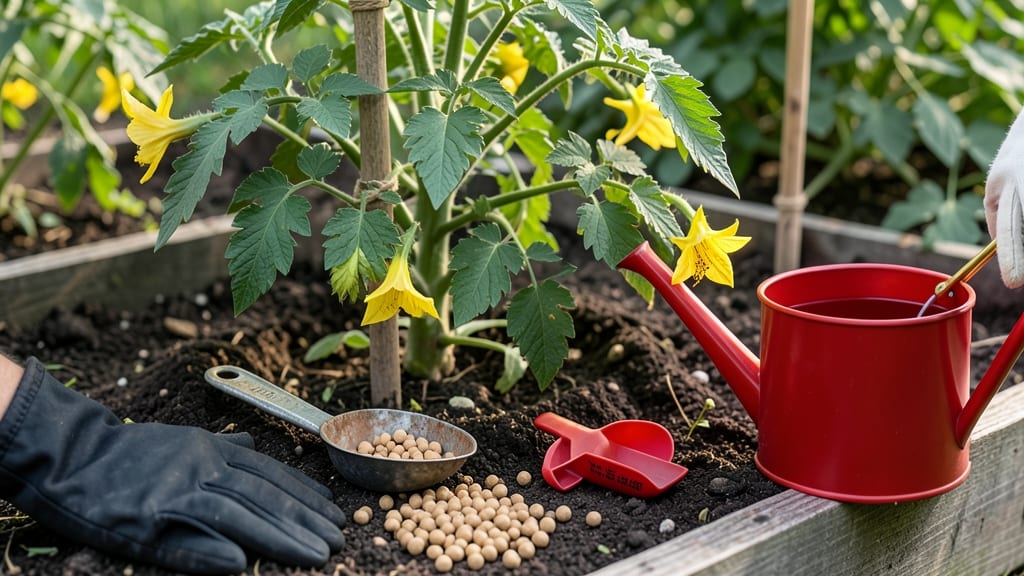
Fertilizing your tomato plants at the right time is the secret to bigger yields, sweeter fruit, and fewer problems like blossom-end rot 🍅 — and it’s not as simple as dumping fertilizer when you remember.
Picture this: You’ve spent weeks nurturing your seedlings, only to watch them produce a handful of small, bland tomatoes while your neighbor’s plants are bursting with flavor. The difference? A soil-test-based schedule that matches fertilizer to your plants’ exact needs at each growth stage.
In this guide, I’ll walk you through the optimal timing for fertilizing—from planting to fruiting—plus how to adjust for your climate (like General Zone 6a) and avoid overdoing it.
You’ll learn which fertilizers work best at each phase, how to spot nutrient deficiencies early, and the one mistake that kills tomato plants faster than drought. Let’s turn your garden into a high-yield machine.
Soil test-based fertilizing schedule for tomato plants by growth stage
Tomato plants thrive when fertilized at the right times, but guessing can lead to weak growth or blossom-end rot. A soil test reveals your garden’s N-P-K ratios, helping you tailor fertilization to each growth stage.
Without testing, most gardeners over-fertilize with nitrogen early, stunting fruit production. Let’s break down the science-backed schedule for maximum yields.
First, send a soil sample to your local extension office (costs ~$20). Focus on the three key numbers: nitrogen (N), phosphorus (P), and potassium (K). Tomatoes need balanced ratios like 5-10-10 or 10-10-10, but adjust based on your results.
For example, if your soil tests low in phosphorus (P), prioritize bone meal or superphosphate during flowering.
Here’s how to align fertilization with your tomato’s five critical stages, using soil test data to avoid waste or deficiencies:
For low-phosphorus soils (P < 30 ppm), add extra bone meal at flowering. If your soil tests high in nitrogen (N > 100 ppm), skip early feeds and focus on phosphorus and potassium. Container tomatoes need half the rates but more frequent applications (every 2 weeks). Always water fertilizer in to avoid root burn.
Pro tip: Use a slow-release fertilizer like Osmocote (14-14-14) for container plants to maintain steady nutrients. Avoid synthetic fertilizers with chlorine, which can stress tomato roots. If your soil tests acidic (pH < 6.0), add lime before planting to prevent nutrient lockout.
Over-fertilizing is a common mistake—too much nitrogen late in the season leads to leafy monsters with few tomatoes. Stop fertilizing 4-6 weeks before your first frost to let plants harden off. For heirloom varieties, reduce potassium in the last month to improve flavor.
Climate matters too: In hot climates (Zones 8-10), fertilize more frequently (every 3 weeks) due to faster nutrient depletion. In cool zones (4-6), extend the fruiting stage with a light potassium boost in late summer.
Always apply fertilizer in the early morning to prevent leaf burn from afternoon heat.
Track your results! Keep a garden journal noting soil test data, fertilizer types, and harvest yields. Adjust next year’s schedule based on what worked. With this precision approach, you’ll grow tomatoes that are bigger, sweeter, and more abundant than ever before.
Signs your tomato plants need fertilizer (and when to avoid it)
Your tomato plants are like the canaries in your garden's coal mine—they send clear signals when they're hungry or overfed. Yellow leaves, stunted growth, or blossom-end rot on fruit are classic cries for help, but so are leaf burn or excessive foliage that never produces fruit.
Learning to read these signs means the difference between a bountiful harvest and wasted effort.
Timing matters just as much as what you feed them. A soil test reveals your garden's baseline nutrition, but even then, seasonal conditions dictate when to hold back.
For example, fertilizing during drought or extreme heat can shock plants, while applying nutrients too late in the season leads to late-season growth that won't ripen before frost.
⚠️ When Should I Fertilize My Tomato Plants?
Never fertilize when soil is dry or during heatwaves. The best times are:
- 🌱 At planting: Light feed to encourage root growth
- 🌿 Early summer: When first flowers appear (high phosphorus for blooms)
- ☀️ Mid-summer: Every 4-6 weeks during fruiting (balanced NPK)
- ❄️ Stop by August: Avoid late-season feeding that delays ripening
Pro Tip: Water plants 24 hours before fertilizing to prevent root burn.
Watch for nitrogen deficiency, which shows as yellow lower leaves while upper leaves stay green. This means your plants need a balanced fertilizer with more nitrogen (N).
Conversely, phosphorus deficiency causes dark green leaves with purple stems, signaling it's time for a phosphorus boost (like bone meal) before flowering.
Over-fertilizing is just as damaging as under-fertilizing. Leaf burn (brown edges) or excessive leafy growth with no fruit means you've overdone it. Potassium deficiency appears as yellow edges on older leaves, while calcium deficiency causes blossom-end rot—a classic tomato problem that fertilizer alone won't fix (you'll need calcium-rich amendments like crushed eggshells).
Create a seasonal checklist to stay on track: test soil in early spring, apply starter fertilizer at planting, feed lightly during flowering, and switch to a low-nitrogen fertilizer when fruit sets. In Zone 6, aim to finish fertilizing by mid-August to ensure tomatoes ripen before frost.
Remember, organic fertilizers release nutrients slowly, while synthetic fertilizers work faster. If you're using organics, plan ahead—compost and worm castings take time to break down. And always water deeply after fertilizing to help nutrients reach the roots without burning them.