
Watering
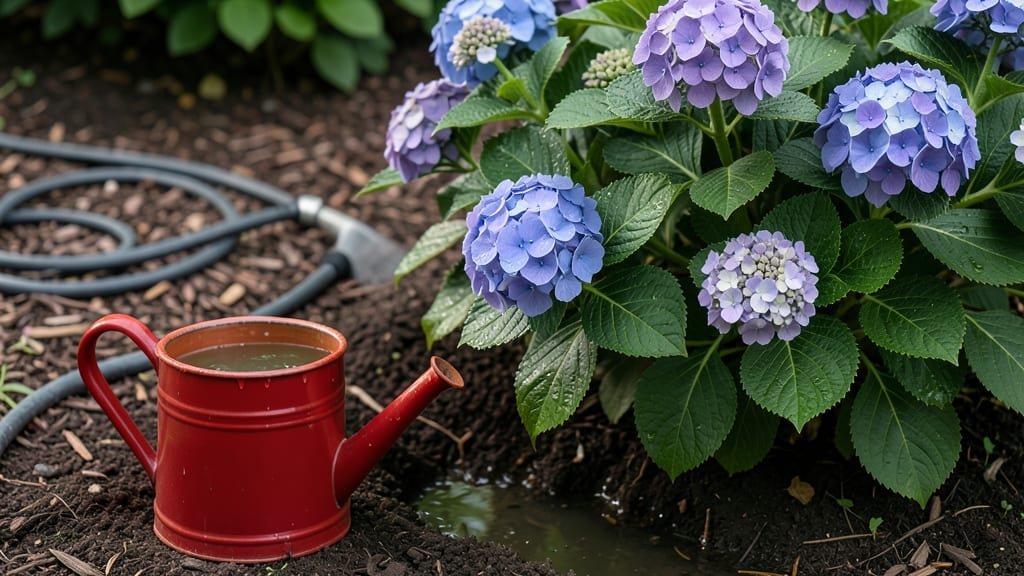
Should you water flowers every day? While it might seem like the best way to keep them thriving, it’s actually a common mistake that can drown your plants before they even bloom.
Overwatering your flowers might seem harmless, but it’s the #1 cause of root rot—and losing your prized plants before they even bloom. The truth is, most flowers don’t need daily watering, but getting the schedule wrong can mean the difference between vibrant blooms and wilting disappointment.
Instead of guessing, you need a science-backed schedule that matches your flower types, climate, and soil. Whether you’re growing sun-loving annuals or shade-tolerant perennials, the right watering routine keeps roots healthy and prevents soggy soil.
In this guide, I’ll break down the exact watering schedule to follow, how to spot overwatering early, and the best techniques to keep your flowers happy without the guesswork.
How often should you water flowers to prevent root rot?
Most gardeners assume flowers need daily watering, but the truth is, overwatering kills more plants than underwatering. Root rot thrives in soggy soil, choking plant roots and turning your vibrant blooms into a sad, mushy mess.
The key is understanding your flower types and climate zone to create a watering schedule that keeps roots happy—not drowned.
I’ve learned through trial and error that annuals like zinnias and perennials like daylilies have completely different needs. Tropical flowers like hibiscus, on the other hand, demand more moisture but still hate waterlogged soil.
Let’s break down the science-backed watering schedules you need to keep your garden thriving without the risk of root rot.
🌱 Comparison Table: Watering Frequency by Flower Type & Climate
| Flower Type | Climate Zone | Watering Frequency | Soil Test Method | Common Mistake |
|---|---|---|---|---|
| Annuals (Zinnias, Marigolds) | Zones 5-8 | Every 2-3 days (summer), every 5-7 days (spring/fall) | Insert finger 1" deep; water if dry | Daily watering causes fungal diseases |
| Perennials (Daylilies, Coneflowers) | Zones 3-9 | Every 5-7 days (established plants); 3-4 days (newly planted) | Check top 2" of soil with moisture meter | Ignoring mulch leads to moisture loss |
| Tropicals (Hibiscus, Cannas) | Zones 9-11 | Daily in extreme heat; every 2-3 days in humidity | Lift pot; water if under 1 lb | Using tap water with high chlorine burns roots |
| Succulents (Aloe, Sedum) | Zones 4-10 | Every 10-14 days (or less in heat) | Wait until soil is completely dry | Watering on schedule without checking soil |
| Bulbs (Tulips, Dahlias) | Zones 3-8 | Every 7-10 days after blooming; reduce in fall | Press finger 3" deep; water if crumbly | Overwatering after foliage dies back |
The soil moisture test is your best friend—skip the guesswork. Stick your finger 1-2 inches deep; if it feels dry, water.
For potted flowers, lift the container: if it’s light, it’s time. Morning watering is ideal because it gives roots time to absorb moisture before evening humidity sets in, reducing fungal risks.
I once killed a batch of hibiscus plants by watering them daily in my Zone 8 garden. The soil stayed soggy, roots rotted, and my once-vibrant pink blooms turned to mush.
The lesson? Adjust your schedule based on weather. If it rains, skip watering. If temperatures soar above 90°F, increase frequency—but never let soil stay waterlogged.
Another common mistake is assuming all flowers need the same care. Drought-tolerant lavender wilts if overwatered, while water-loving irises need consistent moisture. Always check the plant label or research your specific varieties.
For example, roses need 1-2 inches of water per week, while sunflowers thrive with deep but infrequent watering.
Use mulch to retain moisture and regulate soil temperature. A 2-3 inch layer of organic mulch (like shredded bark) keeps roots cool and reduces evaporation. This simple trick can cut watering needs by 30% while preventing soil compaction. Plus, it suppresses weeds—double the benefit!
If you’re unsure whether your flowers are getting too much water, look for yellowing leaves, mushy stems, or white mold on soil. These are red flags for root rot. Act fast by reducing watering, improving drainage, and even repotting if necessary.
Prevention is easier than recovery, so always err on the side of underwatering slightly rather than drowning your plants.
Pro tip: Group flowers with similar water needs together in your garden. This makes watering efficient and ensures no plant gets neglected. For instance, plant zinnias and cosmos near each other—they both love consistent moisture but hate soggy soil. Meanwhile, keep succulents and lavender in a separate, well-draining area.
Remember, healthy roots equal happy flowers. By following these science-backed schedules and paying attention to your plants’ signals, you’ll avoid root rot and enjoy a garden bursting with color—without the stress of second-guessing your watering routine. 🌸
Signs your flowers are overwatered (and how to fix it)
If your flowers are looking sad despite your daily watering routine, you might be overdoing it. Overwatering is sneaky—it doesn’t always show up as wilting but often appears as yellow leaves, mushy stems, or even moldy soil.
The problem? Too much water cuts off oxygen to roots, leading to root rot, which can kill your plants in weeks. Even drought-resistant flowers like lavender or succulents can suffer if watered too often.
Most gardeners think daily watering is a safe bet, but the truth is, flowers need rest between drinks. The key is checking soil moisture before watering. Stick your finger 1-2 inches deep—if it’s damp, wait. If it’s dry, it’s time to water.
But how do you know if you’ve already crossed the line? Let’s break down the 5 most common signs your flowers are drowning in water—and how to fix them before it’s too late.
⚠️ Should You Water Flowers Everyday?
No—daily watering is a myth for most flowers! Annuals like marigolds or petunias may need it in summer heat, but perennials like roses or daylilies thrive on deep, infrequent watering. Tropical flowers (e.g., hibiscus) tolerate more moisture, but even they suffer if soil stays soggy. Test soil first: If it’s damp, skip watering. If it’s bone-dry, water slowly until it drains. Overwatering kills faster than underwatering!
First, watch for yellowing leaves, especially on older foliage. This is your plant’s way of saying, "I’m drowning!" Unlike nutrient deficiencies (which often start on new growth), overwatering causes chlorosis—a yellowing that spreads from the bottom up.
Pair this with soft, mushy stems, and you’ve got a root rot emergency. Don’t wait—act fast by reducing water immediately and improving drainage.
Next, check the soil surface. If it looks crusty or moldy, that’s a red flag. White or gray fuzz (like cotton) means fungal growth, while a sour, rotten smell signals anaerobic conditions—both are signs of overwatering.
To fix this, stop watering for 3-5 days and let the soil dry out. If mold persists, sprinkle compost or perlite on top to improve aeration and prevent future issues.
Another giveaway? Wilting despite wet soil. Healthy plants wilt when thirsty, but overwatered ones stay floppy even when the pot is heavy.
This happens because roots can’t absorb water or oxygen. Pull the plant gently—if it slides out easily, roots are rotting. Trim dead roots, repot in fresh, dry soil, and place the plant in bright, indirect light to recover.
Avoid watering for at least a week to let roots heal.
For container-grown flowers, overwatering is especially risky because pots drain poorly.
If you see water pooling at the bottom or roots peeking out, your plant is in distress. Drainage holes are non-negotiable—if yours lack them, transfer the plant to a new pot with holes immediately. Terracotta pots help by wicking away excess moisture, but even they can’t save a plant if you’re watering on a strict daily schedule.
To prevent overwatering long-term, adjust your routine based on the season.
In spring and fall, water every 5-7 days; in summer heat, stick to morning watering and check soil daily. Mulch around plants to retain moisture without trapping excess water, and always water at the base of the plant—never the leaves—to avoid fungal diseases.
With these fixes, your flowers will bounce back in 2-4 weeks!