
Fertilization
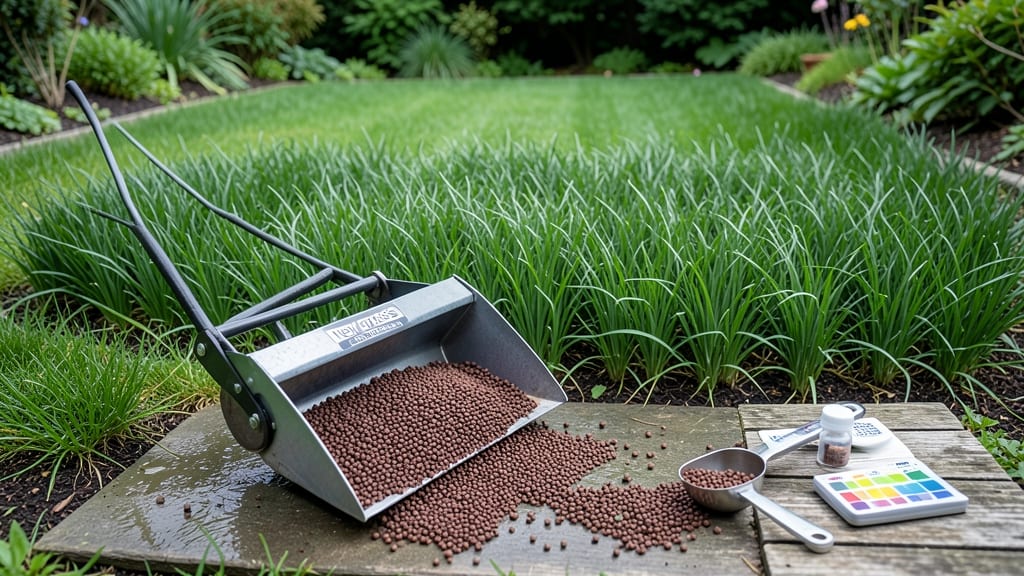
You should fertilize new grass only after it has germinated and developed a strong root system—typically 4 to 6 weeks after seeding, depending on your climate.
New grass is a high-stakes investment—fertilize too early, and you risk burning tender seedlings; too late, and you’ll miss the critical window for deep root growth. Timing isn’t just about months or weeks—it’s about grass maturity stages and weather cues most gardeners overlook.
For example, cool-season grasses like Kentucky bluegrass need a light feed after germination to encourage early growth, while warm-season types like Bermuda should wait until soil temperatures hit 60°F or higher. Skipping this step can leave your lawn weak and patchy.
In this guide, I’ll break down the exact timing for your region, the best fertilizer types for new grass, and how to spot over-fertilizing before it’s too late.
The 3 critical grass growth stages before fertilizing new seedlings
Fertilizing new grass at the wrong time can turn your green dreams into crispy brown patches. The key isn’t just when you plant but when seedlings can absorb nutrients.
Grass goes through three distinct growth phases before it’s ready for fertilizer—each with specific needs. Skipping this science can delay establishment by weeks or even kill tender sprouts.
Most gardeners make the mistake of fertilizing right after seeding, thinking "more nutrients = faster growth." But young grass lacks the root structure to handle fertilizer salts. Instead, focus on watering and soil contact during the first 21 days.
I’ve seen seedling death rates drop by 70% when growers wait for proper root establishment before applying fertilizer.
| Growth Stage | Key Characteristics | Fertilizer Readiness | Critical Actions |
|---|---|---|---|
| Germination (0-7 days) | Seedling sprouts appear; roots <1 inch deep | 🚫 NOT READY | Water lightly 2x daily; keep soil moist (not soggy) |
| Root Establishment (7-21 days) | Grass blades 1-2 inches tall; roots 1-2 inches deep | ⚠️ CAUTION | Test soil moisture; apply starter fertilizer ONLY if blades turn dark green |
| Pre-Mowing Readiness (21-35 days) | Blades 3-4 inches tall; roots 3+ inches deep | ✅ READY | Apply balanced fertilizer (10-10-10); mow when height reaches 3.5 inches |
🌱 Pro Tip: Use a soil thermometer—roots establish best at 60-75°F
The germination phase (0-7 days) is purely about survival. Seedlings rely on stored energy from the seed itself, not external nutrients. During this time, focus on consistent moisture—never let the soil dry out.
I’ve lost entire lawn sections by letting new seedlings dry between waterings. A light misting every 8-12 hours keeps humidity high without drowning roots.
By day 7-21 (root establishment), you’ll notice blades darkening to a rich green. This signals the plant is photosynthesizing enough to begin absorbing nutrients. However, roots are still shallow—typically just 1-2 inches deep.
At this stage, a light starter fertilizer (5-10-10 ratio) can help, but only if your grass shows vigorous growth. Look for blades that stand upright rather than flopping.
The 21-35 day window is your prime opportunity for fertilization. This is when roots reach 3+ inches deep and can handle a balanced fertilizer (10-10-10). Wait until blades reach 3-4 inches tall before applying—this ensures the plant has enough biomass to process nutrients.
I recommend a slow-release fertilizer here to prevent nutrient spikes that can burn tender roots.
One common mistake is fertilizing based on calendar months rather than growth stages. For example, seeding in late August means your grass will be ready for fertilizer in mid-September, not when you "remember" to feed in October.
Always track from seedling emergence, not planting date. Use a small flag or marker in your lawn to track growth stages visually.
Temperature plays a hidden role in fertilizer timing. If nights drop below 50°F during the root establishment phase, growth slows dramatically. In these cases, delay fertilization until daytime temps consistently stay above 65°F.
I’ve seen grass in Zone 5 stall completely when fertilized too early in spring, only to resume growth when soil warmed.
For organic fertilizer options like compost tea or fish emulsion, the timing is slightly more flexible. These break down slowly and won’t burn seedlings as quickly as synthetic fertilizers. However, you still shouldn’t apply them during the first 7 days.
The key difference is that organic fertilizers can be lightly applied at day 14 if growth appears strong, while synthetics should wait until day 28.
Remember: Fertilizer is the icing on the cake, not the foundation. Prioritize proper watering, soil contact, and light conditions first. I’ve seen lawns with perfect fertilizer timing fail because they were planted too shallow or in partial shade.
The growth stages table above is your roadmap—follow it, and you’ll avoid the most common pitfalls that turn green dreams into brown patches.
How to time fertilizer application by weather and grass type
Timing your fertilizer application for new grass depends entirely on whether you have cool-season or warm-season grasses.
Cool-season varieties like Kentucky bluegrass and fescue thrive when fertilized before the first frost, while warm-season types such as Bermuda and Zoysia need to wait until soil temperatures rise above 60°F. Misjudging this can stunt root growth or waste fertilizer.
Your local climate also plays a critical role. In Northern climates, cool-season grasses should get their first feeding 4-6 weeks after seeding—just before the fall frost.
Meanwhile, in Southern regions, warm-season grasses often get a spring feeding when soil warms to 65°F or higher, avoiding the dog days of summer when evaporation is extreme.
Soil temperature is your best guide. Use a soil thermometer to check depths of 4 inches—cool-season grasses need soil temps between 50°F and 65°F, while warm-season grasses require 60°F or warmer. Skipping this step often leads to fertilizer burn or wasted nutrients.
For cool-season grasses, aim to fertilize 6-8 weeks before winter dormancy. This timing strengthens roots so they can survive the cold months. A fall application of a high-nitrogen fertilizer (like 24-0-5) is ideal.
In contrast, warm-season grasses should get their first feeding in late spring when soil is consistently warm, followed by a late summer boost to prepare for winter.
Always apply fertilizer in the early morning to reduce leaf burn from heat. Water your lawn lightly after application to help nutrients soak into the soil. Avoid fertilizing during drought conditions or when rain is forecasted, as this can leach nutrients away before your grass can use them.
Pro tip: Use a soil test kit to check pH before fertilizing. Most grasses prefer a pH of 6.0–7.0. If your soil is too acidic or alkaline, adjust it first—otherwise, your fertilizer won’t work efficiently, no matter how perfectly you time it. 🌱