
Fertilization
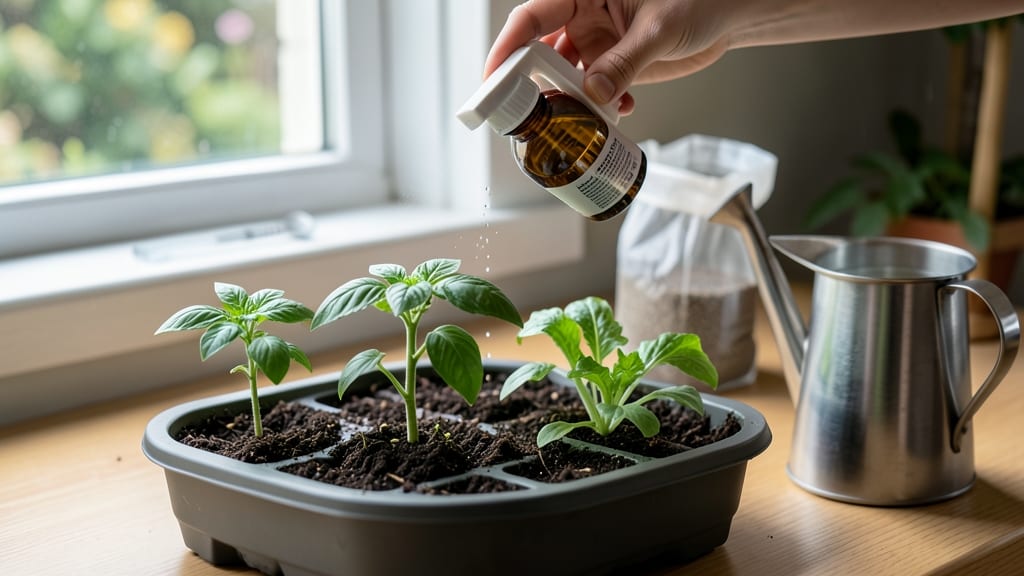
You should fertilize seedlings only after they’ve developed their second set of true leaves — about 10-14 days after germination — to avoid shocking their delicate roots.
That tiny window between germination and transplanting is where most gardeners trip up. Too soon, and you risk burning the roots; too late, and the seedlings struggle to catch up. The key is watching for those dark green leaves and a sturdy stem before adding any nutrients.
Timing matters even more in Zone 6a, where cool spring nights slow growth. A light feed with a balanced fertilizer (like 5-10-5) right before transplanting gives seedlings the boost they need to thrive outdoors.
In this guide, I’ll walk you through the exact stages to look for, the best fertilizers to use, and how to avoid the three most common mistakes that stunt seedlings for good.
The ideal fertilization timeline for seedlings based on growth stage
Timing your seedling fertilization is like feeding a baby—too little stunts growth, but too much can burn delicate roots. The key lies in matching nutrients to growth stages, not just days after germination.
For most seedlings, the first feeding should wait until they’ve developed 2-4 true leaves and a sturdy root system, typically 10-14 days post-germination.
Leafy greens like lettuce or spinach need gentle feeding early, while fruiting plants such as tomatoes or peppers benefit from a phosphorus boost later. The pre-transplant window—2-3 weeks before hardening off—is critical for building resilience. Skipping this step often leads to leggy, weak seedlings that struggle after transplanting.
Here’s the breakdown of when to fertilize based on visible growth milestones and seedling age, tailored for different plant types:
| Growth Stage | Days After Germination | Fertilizer Type | Plant Types | Notes |
|---|---|---|---|---|
| Germination to True Leaves | 0–10 days | None | All seedlings | Use seed-starting mix only; avoid fertilizer. |
| First True Leaves | 10–14 days | Balanced starter (5-10-5) | Leafy greens, herbs | Dilute to ¼ strength to avoid burn. |
| 2–4 True Leaves | 14–21 days | Balanced (10-10-10) or fish emulsion | Vegetables, flowers | Encourages root and stem strength. |
| Pre-Transplant (Hardening Off) | 21–30 days | Phosphorus-rich (5-10-5) or compost tea | Fruiting plants (tomatoes, peppers) | Boosts root development for transplant shock. |
| Post-Transplant (Outdoor) | 30+ days | Slow-release granules or organic | All mature seedlings | Reduce nitrogen for fruiting plants. |
For cool-season crops like kale or broccoli, delay fertilization until 3-4 true leaves appear, as they grow slower initially. Warm-season plants such as tomatoes or cucumbers, however, thrive with a phosphorus-heavy feed at the 2-true-leaf stage to jumpstart root growth.
Overlooking this timeline often leads to nutrient overload, causing crispy leaf edges or stunted growth. I’ve seen seedlings collapse after a heavy feed too soon—always err on the side of caution. A 1-week gap between watering and fertilizing helps prevent root burn.
Seasonal adjustments matter too. In early spring, when soil is cool, use warmth-loving fertilizers like compost tea. By late summer, switch to low-nitrogen feeds to harden off seedlings before frost. Timing isn’t just about days—it’s about matching nutrients to the plant’s natural rhythm.
Pro tip: Test soil fertility before fertilizing. If your seedlings are already lush with dark green leaves, they’re likely getting enough nutrients from their seed-starting mix. Only intervene when you spot pale stems or slow growth—clear signs they’re hungry.
Remember, the goal is to grow seedlings that are stocky, not leggy. A well-timed feed at the right stage sets them up for success in the garden. Now, grab your fertilizer schedule and watch those sprouts transform into powerhouses!
Signs your seedlings are ready (or not ready) for fertilizer
Your seedlings are like tiny athletes—timing is everything. Fertilizing too early can overwhelm their delicate systems, while waiting too long means missed growth opportunities. The key is watching for visual and tactile cues that signal when their roots and leaves are ready for nutrients.
Start by checking for 2-4 sets of true leaves, which look different from the initial seed leaves (cotyledons). These true leaves indicate the plant is photosynthesizing efficiently and ready to absorb nutrients.
Another critical sign is root-bound conditions. Gently squeeze the sides of the seedling pot—if roots are circling the bottom or growing out of drainage holes, it’s time to fertilize. This shows the plant has outgrown its current nutrient supply and needs a boost.
However, avoid fertilizing if the roots are still sparse or the soil feels dry and crumbly, as this can indicate the plant isn’t ready for extra nutrients.
Seedlings with only seed leaves (cotyledons) or pale, weak stems are not ready for fertilizer. Their root systems are still developing, and extra nutrients can cause root burn or salt buildup in the soil. Wait until you see dark green true leaves and sturdy stems before applying any fertilizer.
Test soil fertility by squeezing a handful—if it crumbles easily, it may lack nutrients. If it stays clumped, it might be waterlogged or over-fertilized. Amend with compost before adding synthetic fertilizers.
Over-fertilizing seedlings often shows up as crispy leaf edges or yellowing between veins, a classic sign of nutrient burn. If you notice these symptoms, flush the soil with water to dilute excess salts.
Another red flag is stunted growth despite plenty of light and water—this could mean the seedlings are struggling to absorb nutrients due to an imbalance. Always dilute liquid fertilizers to half-strength for seedlings to avoid shocking their systems.
For a quick soil fertility test, perform the squeeze test: Moisten a handful of soil and squeeze it gently. If it holds its shape but crumbles when dropped, it’s ideal for seedlings. If it stays clumped, it’s too dense and may need perlite or compost to improve aeration.
If it falls apart instantly, it’s too dry and lacks organic matter. Adjust your soil mix before adding fertilizer to ensure your seedlings have the right foundation for growth.
Don’t forget to check the bottom of the pot for roots. If roots are dense and white, your seedlings are ready for a light feeding. If they’re brown or mushy, the soil may be waterlogged or over-fertilized.
In this case, repot in fresh, well-draining soil before adding any nutrients. Healthy roots are the best indicator that your seedlings can handle fertilization.
When in doubt, wait a week. Seedlings grow rapidly, and a few extra days won’t harm them. Use a balanced starter fertilizer (like 5-10-5) and apply it only once every 2-3 weeks during the active growing season.
This approach ensures your seedlings get the nutrients they need without risking over-fertilization.