
Fertilization
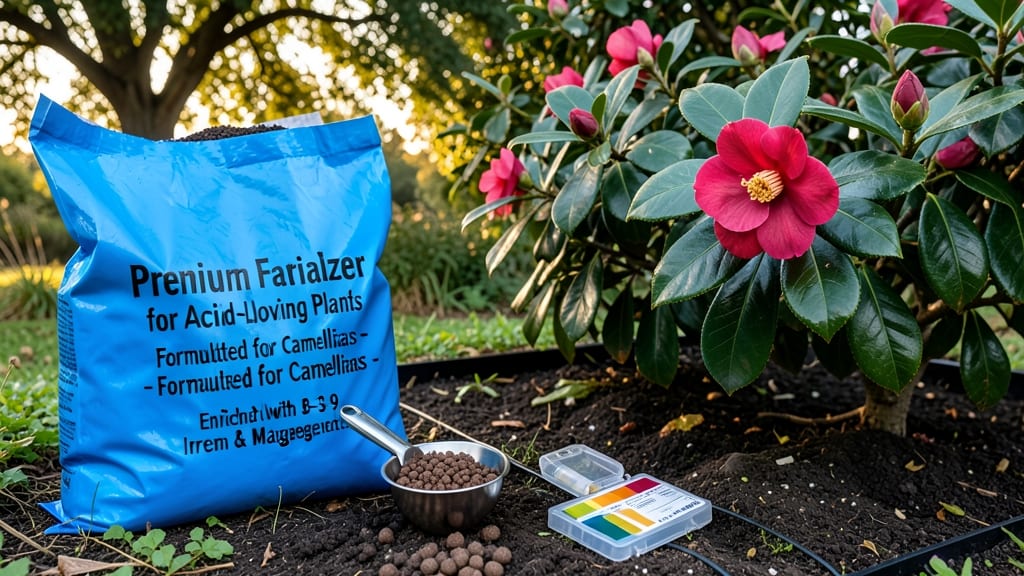
Fertilizing your camellias in California at the right time ensures those stunning 🌸 blooms all season long, especially when coastal and inland climates play such different roles.
Struggling to keep your California camellias blooming beautifully? Timing your fertilizer application perfectly can make the difference between vibrant flowers and struggling shrubs—especially when coastal and inland climates demand different approaches.
In coastal areas, where mild winters and wet summers create ideal growing conditions, camellias thrive with a more frequent feeding schedule. Meanwhile, inland regions with hotter summers and cooler winters need a more cautious approach to avoid stressing the plants.
Below, I’ll break down the exact months to fertilize your camellias in California, the best types of fertilizer to use, and how to adjust for your specific microclimate—so you can enjoy healthier plants and more spectacular blooms.
Optimal fertilization schedule for camellias in California’s coastal regions
California’s coastal regions offer mild winters and wet summers, creating a unique growing environment for camellias. Unlike inland areas, coastal camellias experience less extreme temperatures and higher humidity, which directly impacts their fertilization needs.
Understanding these conditions helps you avoid common mistakes like over-fertilizing in summer or skipping winter feeding when light applications can still benefit root growth.
Coastal camellias thrive with a three-season feeding schedule: early spring for bloom production, late summer for root strengthening, and a light winter application to prepare for dormancy. The key is balancing nutrient availability with natural rainfall patterns, ensuring your plants receive exactly what they need without waste.
Let’s break down the ideal timing and methods for each season.
| Season | Fertilization Timing | Fertilizer Type | Application Notes | Coastal-Specific Tip |
|---|---|---|---|---|
| Early Spring (Feb-Mar) | First application after buds swell | Slow-release acidic (10-10-10) | 1/2 cup per plant, water deeply | Avoid if heavy rains forecast |
| Late Summer (Aug-Sept) | Second application before dormancy | Organic (cottonseed meal) | 1/4 cup per plant, mulch after | Use after summer fogs subside |
| Winter (Dec-Jan) | Light application before bud set | Low-nitrogen (5-10-10) | 1/4 cup per plant, minimal water | Critical for coastal microclimates |
| Summer (June-July) | No fertilization | N/A | Focus on watering only | Prevents leaf burn in heat |
In early spring, coastal camellias respond best to a balanced acidic fertilizer like 10-10-10 when buds begin to swell. This timing aligns with their natural growth cycle, providing phosphorus for blooms while avoiding the stress of summer heat.
I recommend applying fertilizer in February or March, right after the last frost risk (usually mid-December in coastal areas like San Francisco). Always water deeply after application to prevent root burn.
By late summer, coastal camellias enter a phase where they need root strengthening before dormancy. A low-nitrogen organic fertilizer, such as cottonseed meal, is ideal. This timing—around August to September—helps them prepare for winter while taking advantage of cooler coastal temperatures.
Mulch heavily after application to retain moisture during the transition to fall.
Winter fertilization is often overlooked, but coastal camellias benefit from a light application in December or January. Use a low-nitrogen fertilizer (5-10-10) to support root development without encouraging new growth.
This is especially critical in mild coastal winters, where dormancy is less pronounced. Apply it after the first frost (usually late November in coastal zones) but before buds set.
One common mistake is over-fertilizing in summer, which can lead to leaf burn or bloom failure. Coastal summers are humid, and excess salts from fertilizer can accumulate in the soil. Always skip fertilization from June to July and focus on consistent watering instead.
If you notice yellowing leaves or stunted growth, it may indicate a nutrient imbalance rather than a need for more fertilizer.
To maximize results, always test your soil pH before fertilizing. Coastal soils often have a higher pH due to marine influence, and camellias thrive in acidic conditions (pH 5.5-6.5). If your soil is too alkaline, amend it with sulfur or peat moss before applying fertilizer.
This ensures your camellias absorb nutrients efficiently, leading to healthier blooms and stronger growth.
For container-grown camellias, adjust your schedule slightly. Potted plants dry out faster and may need more frequent but lighter applications of fertilizer. Use a water-soluble fertilizer diluted to half strength every 6-8 weeks during the growing season. Always water thoroughly after application to
Key differences: inland California fertilizer timing vs coastal areas
California’s diverse climates create dramatic differences in how camellias respond to fertilizer. Inland areas like the Central Valley experience hotter summers and colder winters than coastal regions, forcing adjustments to your fertilization schedule.
While coastal camellias thrive with year-round mild conditions, inland plants face drought stress and temperature extremes that demand a more strategic approach.
Inland camellias need less frequent feeding due to slower growth in cooler months, while coastal plants can handle more regular applications.
The key difference lies in water availability and soil moisture retention—inland soils often dry out faster, making organic fertilizers a safer choice than synthetic ones that can burn roots in heat.
Inland California Fertilizer Timing
✅ Pros
- Slower nutrient release prevents burn in dry heat
- Organic options improve soil structure long-term
- Winter feeding supports root growth before dormancy
❌ Cons
- Limited growing season reduces effective feeding windows
- Higher risk of over-fertilization in drought years
- Slower results from cooler soil temperatures
Coastal California Fertilizer Timing
✅ Pros
- Longer growing season allows 3-4 feeding cycles
- Faster nutrient uptake from consistent moisture
- Less drought stress means safer synthetic options
❌ Cons
- Higher humidity increases risk of fungal issues
- Winter feeding may promote weak growth
- Salt buildup from coastal air affects soil
For inland gardens, I recommend organic fertilizers like cottonseed meal or fish emulsion applied in early spring (March) and late fall (November) when temperatures stabilize. Coastal gardens can handle synthetic acid-loving fertilizers like 8-3-9 blends every 6-8 weeks from September through April, avoiding summer applications entirely.
Soil type plays a crucial role—clay-heavy inland soils benefit from compost amendments before fertilizing, while sandy coastal soils may need slow-release granules to prevent leaching. Always test your soil’s pH (5.5-6.5 ideal) before applying fertilizer, as inland areas often have higher alkalinity from irrigation water.
One critical mistake inland gardeners make is over-fertilizing in spring when plants are still dormant. Wait until you see new leaf buds before applying nutrients. Coastal gardeners, meanwhile, should avoid late-summer feeding, which can stimulate tender growth vulnerable to fall frosts.
Adjust your approach based on your microclimate—if your inland camellias show yellowing leaves by mid-summer, they’re signaling nutrient stress from heat. A light feeding in September with half the recommended dose can help without shocking the plant.
Coastal camellias, however, may need monthly foliar sprays of seaweed extract to maintain vigor during their longer growing season. 🌸