
How To
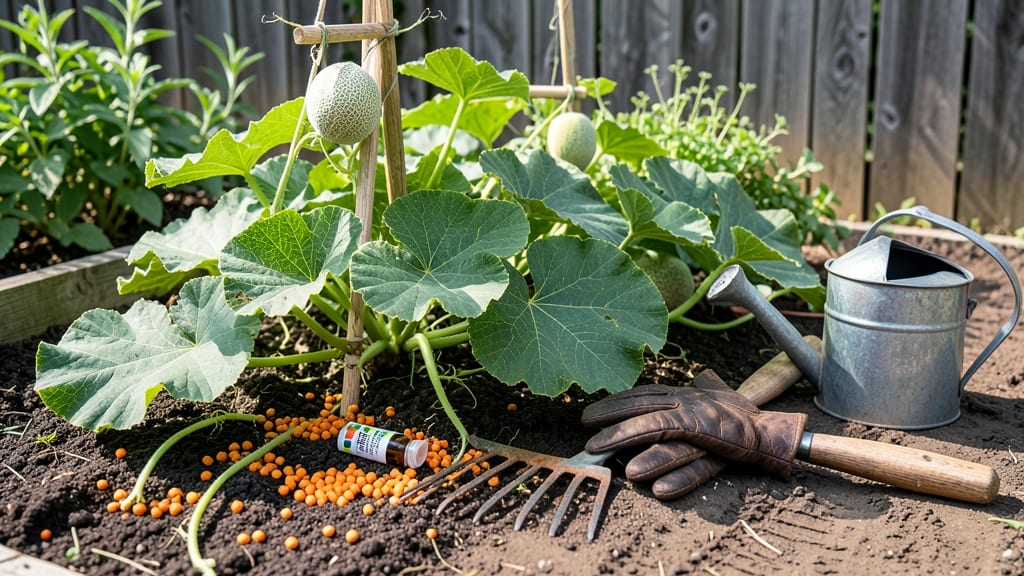
Fertilizing cantaloupe at the right times transforms bland fruit into sweet, juicy melons 🌱—and timing is everything for that explosive flavor.
If you’ve ever bitten into a cantaloupe that tasted more like water than dessert, you know how critical this step is. The difference between lackluster harvests and jaw-dropping sweetness often comes down to when—and how—you feed your plants.
Cantaloupes need three key fertilization windows: pre-planting to boost soil nutrients, early growth to fuel vine development, and flowering/fruiting stages to sweeten the fruit. Skipping any of these means missing out on the full potential of your harvest.
Below, I’ll walk you through the exact stages, organic vs. synthetic options, and how to read your plants’ signals so you never over- or under-fertilize again.
3 Critical fertilization stages for cantaloupe growth and sweetness
Cantaloupes are hungry plants that demand the right nutrients at the right time to produce those signature sweet, fragrant fruits. Unlike many vegetables, cantaloupes have three distinct fertilization stages—each requiring different nutrient ratios to maximize growth and flavor.
Skipping any stage or overdoing it can lead to bitter fruit or poor yields. Let me walk you through exactly when and how to feed your cantaloupes for the best results.
The key to cantaloupe fertilization lies in understanding the nitrogen-phosphorus-potassium (NPK) balance at each growth phase. Too much nitrogen early on will produce leafy vines but few fruits, while too little phosphorus during flowering will stunt fruit development.
I’ll break down each stage with specific ratios and organic/inorganic options tailored to cantaloupes.
-
Stage 1: Pre-Planting (Soil Prep)
Apply balanced fertilizer (10-10-10) or compost 1-2 weeks before planting to enrich soil with organic matter and essential nutrients. -
Stage 2: Flowering (4-6 Weeks After Germination)
Switch to high-phosphorus fertilizer (5-10-10) to encourage blooming and fruit set. Use organic options like bone meal or fish emulsion. -
Stage 3: Fruiting (After Pollination)
Feed with potassium-rich fertilizer (0-0-50) or wood ash to boost sweetness and disease resistance. Stop fertilizing 2-3 weeks before harvest.
For the pre-planting stage, I recommend working in 2-3 inches of compost or well-rotted manure into the topsoil. This not only adds nutrients but also improves soil structure, which cantaloupes love.
If your soil is sandy, you might need to add a slow-release organic fertilizer like alfalfa meal to prevent nutrients from washing away. Test your soil first—cantaloupes thrive in slightly acidic to neutral soil with a pH between 6.0 and 6.8.
During the flowering stage, which typically occurs 4-6 weeks after germination, phosphorus becomes your best friend. This is when your cantaloupes need energy to produce flowers and set fruit. A 5-10-10 NPK ratio is ideal here, but you can also use organic options like rock phosphate or fish emulsion.
I’ve found that cantaloupes respond beautifully to a side-dressing of compost tea during this phase, as it gently feeds the roots without burning them.
Once your cantaloupes start setting fruit, shift your focus to potassium and calcium. Potassium helps develop sweetness and improves disease resistance, while calcium prevents blossom-end rot. A 0-0-50 fertilizer or wood ash applied lightly around the base of the plants works wonders.
I like to use a liquid seaweed extract during this stage because it also contains trace minerals that enhance flavor. Remember to water deeply after fertilizing to help nutrients penetrate the root zone.
Many gardeners make the mistake of fertilizing right up until harvest, but this can actually reduce sweetness and lead to bitter fruit. I always stop fertilizing 2-3 weeks before harvest to allow the plant to focus on ripening the melons.
At this point, your cantaloupes should be developing their signature aroma and color—signs that they’re ready to be enjoyed. If you notice the vines turning yellow or the leaves curling, it might be a sign of over-fertilization or nutrient imbalance.
For organic gardeners, options like composted chicken manure, worm castings, and kelp meal are excellent choices. These provide a steady release of nutrients without the risk of burning plants. If you’re using synthetic fertilizers, opt for slow-release granules to avoid spikes in nutrient availability.
Always follow the package instructions, but remember that cantaloupes are heavy feeders, so don’t be afraid to err on the side of slightly more fertilizer during the growing season.
One tip I’ve learned from years of growing cantaloupes is to mulch heavily after fertilizing. A thick layer of straw or grass clippings helps retain moisture and keeps nutrients close to the roots. This is especially important in hot climates where water evaporates quickly.
Mulching also suppresses weeds, which compete with your cantaloupes for nutrients. Just make sure to keep the mulch a few inches away from the plant stems to prevent rot.
Finally, pay attention to your cantaloupes’ growth signals. Healthy plants will have deep green leaves, strong vines, and plenty of flowers. If you see pale yellow leaves, it might indicate a nitrogen deficiency, while dark green leaves with purple stems could mean a phosphorus shortage.
Adjust your fertilization accordingly, but always remember that more isn’t better—cantaloupes are sensitive to over-fertilization, which can lead to poor fruit quality.
By following these three critical fertilization stages, you’ll give your cantaloupes the best chance to grow into sweet, flavorful fruits. The key is patience and attention to detail—just like any great gardening endeavor, timing and balance are everything. Happy growing! 🌱🍉
Organic vs. synthetic fertilizers: what works best for cantaloupe
Choosing between organic and synthetic fertilizers for cantaloupe can feel overwhelming, but each has distinct benefits for your melons. Organic options like compost and manure improve soil structure over time, while synthetic fertilizers like NPK blends deliver quick nutrient boosts.
For cantaloupe, the right choice depends on your goals—whether it's long-term soil health or immediate vine growth.
I’ve grown cantaloupes for years and found that a mix of both often works best. Organic fertilizers build soil fertility naturally, while synthetic options can give cantaloupes the phosphorus and potassium they crave during flowering.
Let’s break down the pros and cons of each to help you decide what’s best for your patch.
Organic vs. Synthetic Fertilizers for Cantaloupe
- ✅ Compost: Improves soil structure, slow-release nutrients
- ✅ Manure: Rich in nitrogen, enhances microbial life
- ✅ Fish Emulsion: Quick phosphorus boost for flowering
- ✅ NPK Blends: Precise nutrient ratios (e.g., 5-10-10)
- ✅ Quick Results: Fast absorption for rapid vine growth
- ✅ Cost-Effective: Lower cost per application for large patches
- ❌ Slower Release: Takes time to break down
- ❌ Variable Quality: Nutrient content can vary
- ❌ Higher Cost: Organic options often pricier per pound
- ❌ Environmental Risk: Can leach into groundwater
- ❌ Soil Degradation: Overuse harms soil microbes
- ❌ Burn Risk: Incorrect application can damage roots
For organic fertilizers, I recommend starting with well-aged compost or cow manure mixed into the soil before planting. These add organic matter and slow-release nutrients that cantaloupes will use all season. Apply 1-2 inches of compost to the soil 2-3 weeks before planting for best results.
Synthetic fertilizers shine during the flowering and fruiting stages. A balanced NPK fertilizer like 5-10-10 (with higher phosphorus) gives cantaloupes the energy for blooms and sweetness development. Use 1 tablespoon per plant every 3-4 weeks once vines start running.
Just be careful not to overdo it—too much nitrogen can lead to leafy growth at the expense of fruit.
Cost-wise, organic fertilizers like compost and manure are cheaper long-term because they improve soil health year after year. Synthetic fertilizers might cost more upfront but offer immediate results when you need a quick boost.
I’ve found that fish emulsion (organic) is a great mid-season option—it’s rich in phosphorus and absorbs quickly, perfect for pushing flowering.
Environmentally, organic fertilizers win by reducing chemical runoff and supporting healthy soil ecosystems. Synthetic options require careful handling to avoid harming nearby plants or water sources. If you’re growing cantaloupes in a small urban garden, organic might be the safer bet.
For large-scale patches, a mix of both can balance productivity and sustainability.
Ultimately, the best fertilizer for cantaloupe depends on your garden’s needs. Start with organic soil amendments for foundational health, then supplement with targeted synthetic feeds during critical growth stages. Your melons will thank you with bigger yields and sweeter flavor! 🌱