
How To
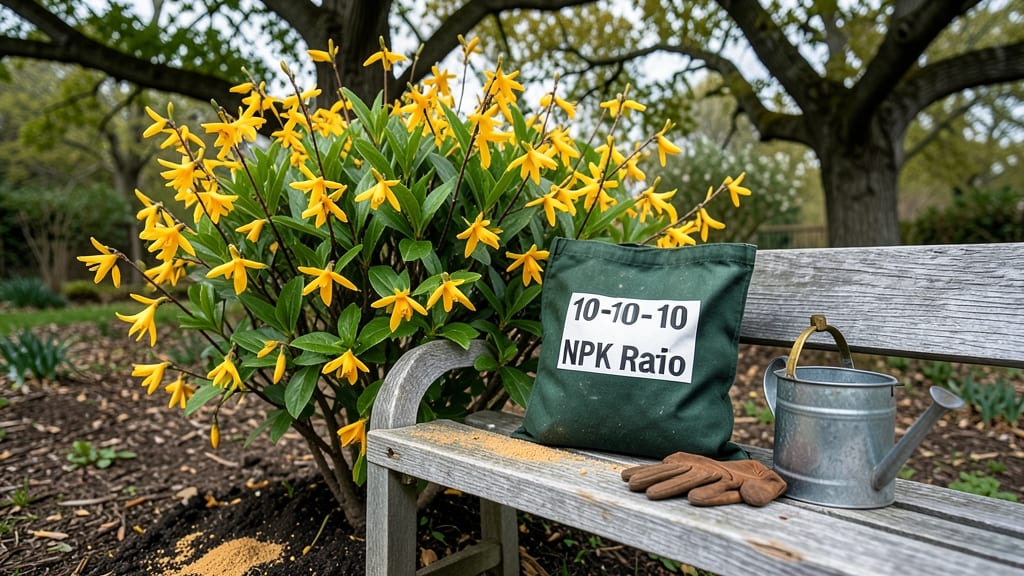
Fertilizing forsythia at the right time can transform those bright yellow blooms into the showstopping display you’ve always wanted—without overdoing it.
Picture this: You’ve waited all winter for your forsythia 🌸 to burst into color, only to find the flowers sparse or the foliage lackluster. The problem?
Timing. Fertilizing too early or too late can actually stress the plant, leaving you with underwhelming results instead of the lush, vibrant shrub you envisioned.
Most gardeners assume spring is the only time to feed forsythia, but the best strategy actually starts in late winter—just as the buds begin to swell.
This isn’t just about blooms, though. The right fertilization schedule also sets your forsythia up for stronger roots and better resilience against pests and disease.
In this guide, I’ll walk you through the exact timing, the right fertilizer types, and even how to tell if your forsythia is begging for nutrients—or if you’re overdoing it. By the end, you’ll know how to give your shrub the perfect boost without the guesswork.
Best times to fertilize forsythia for maximum spring blooms
Forsythia bushes burst into vibrant yellow blooms each spring, signaling their readiness to thrive—but their growth depends heavily on timing fertilization. Unlike many plants, forsythia responds best to two key feeding windows: early spring and late winter.
These periods align perfectly with its natural growth cycles, ensuring nutrients fuel both bud development and root expansion.
The secret lies in understanding forsythia’s dormancy patterns. After blooming, it enters a semi-dormant state in summer, making fertilizers ineffective.
By feeding only in late winter (February) and early spring (March-April), you avoid overstimulating new growth too late in the season, which can leave plants vulnerable to winter cold damage.
| Fertilization Window | Best Time of Year | Purpose | Climate Adjustments |
|---|---|---|---|
| Late Winter | February (USDA Zones 6-8) | Stimulates early root growth | Warmer zones (9+): Wait until March |
| Early Spring | March-April (bud swell phase) | Boosts bloom production | Colder zones (5-): Delay until April |
| Avoid | Summer-Fall | Prevents late-season growth | Drought areas: Skip if soil is dry |
| Optional | Late Fall (Zone 7+) | Strengthens winter hardiness | Only in mild winters (Zone 8+) |
For northern climates (USDA Zones 4-6), late winter fertilization in February gives forsythia a head start. In these regions, applying fertilizer too early can lead to frost damage if new growth emerges before the last frost.
I always check my local frost dates and add a 2-3 week buffer before fertilizing.
Southern gardeners in Zones 8-10 should shift their timing to March or early April. The warmer temperatures mean forsythia wakes up earlier, and feeding too soon can cause water stress during peak summer heat.
I’ve seen forsythia in Florida bloom as early as January—so adjust based on your first signs of bud swell.
One common mistake is over-fertilizing in spring. While you want to encourage blooms, too much nitrogen shifts energy toward leafy growth instead of flowers. A balanced 10-10-10 fertilizer (equal parts nitrogen, phosphorus, potassium) works best.
I use about ½ cup per 10 square feet, spread evenly around the root zone.
After applying fertilizer, deep watering is critical. This helps nutrients penetrate the soil and reach the roots. I water my forsythia bushes for 10-15 minutes after fertilizing to ensure the granules dissolve properly. Avoid fertilizing when rain is forecasted, as it can wash nutrients away before they’re absorbed.
For established forsythia, late fall fertilization is optional but beneficial in mild-winter zones (7+). A light application in November can strengthen roots before winter. However, in colder regions, skip this step entirely—new growth won’t harden off properly before freeze.
If your forsythia is younger than 3 years old, reduce fertilizer by half. Young plants have delicate root systems and can’t handle the same nutrient load as mature shrubs. I often use a slow-release organic fertilizer for young forsythia to provide steady nutrition without risking burn.
Finally, watch for signs of over-fertilization, like yellowing leaves or leaf drop. If this happens, flush the soil with water and hold off on feeding until the next spring. Proper timing and moderation are the keys to showstopping spring blooms every year. 🌸
How to choose the right fertilizer type for forsythia growth
Selecting the perfect fertilizer for your forsythia isn't just about throwing down any old bag of plant food. This shrub thrives on a balanced approach—too much nitrogen means lush foliage but sparse blooms, while too little can leave your plant struggling.
The key lies in understanding NPK ratios and when to apply them for maximum impact on those bright yellow flowers.
For forsythia, I always recommend a 10-10-10 or 12-12-12 fertilizer ratio, which provides equal parts nitrogen, phosphorus, and potassium. This balance supports both root development and flower production.
Organic options like composted manure or fish emulsion work wonders too, especially if you prefer a slower-release approach that mimics natural soil enrichment.
⚠️ Avoid high-nitrogen fertilizers—these will encourage leafy growth at the expense of blooms. Your forsythia's primary goal is to put on a spectacular spring show, so prioritize fertilizers that support flowering over foliage. Slow-release formulas are ideal because they provide nutrients gradually, reducing the risk of burning roots or overfeeding.
- 🌱 Early Spring (March): Apply a balanced fertilizer (10-10-10) as buds begin to swell. This kickstarts growth and ensures vibrant blooms.
- 🌿 Late Winter (February): Use a light organic feed like compost or bone meal to prep roots without overstimulating early growth.
- 🌳 Avoid Summer Fertilizing: Forsythia enters dormancy in summer—fertilizing now can stress the plant and attract pests.
- 🍃 Fall (Optional): Skip fertilizing entirely in fall to encourage winter hardiness. If soil is poor, a low-nitrogen organic amendment suffices.
Micronutrients like iron and magnesium also play a critical role. If your forsythia's leaves show signs of yellowing between veins, it might need a chelated iron supplement.
These trace elements ensure your plant isn’t just surviving but thriving year after year. Always water thoroughly after applying fertilizer to help nutrients penetrate the soil.
For established forsythia, I swear by a slow-release granular fertilizer applied in early spring. This method reduces the need for frequent applications and minimizes the risk of over-fertilization. If you're using liquid fertilizers, dilute them to half-strength to avoid shocking the roots.
Consistency is key—stick to your chosen fertilizer type and timing, and your forsythia will reward you with bold, abundant blooms for decades.
Remember, every garden is unique. Monitor your forsythia’s response to its fertilizer regimen—adjust as needed based on leaf color, growth rate, and bloom quality. With the right fertilizer strategy, your forsythia will become the star of your landscape year after year. 🌸