
How To
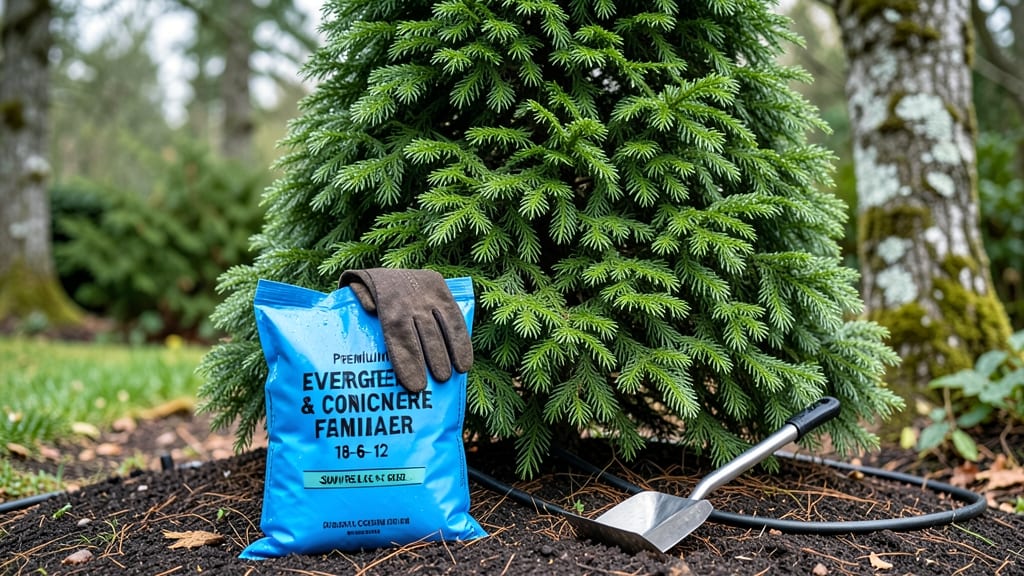
Fertilizing your Thuja Green Giant 🌲 at the right time makes all the difference between a lush, fast-growing privacy screen and a struggling shrub.
Thuja Green Giant trees are fast-growing privacy screens, but their growth depends heavily on proper fertilization timing—apply too early or too late, and you’ll waste nutrients or even harm your plants.
Spring is the best time to feed them, right as new growth begins, while fall fertilization can stress the plant before winter dormancy sets in.
Below, I’ll break down the exact schedule, signs your Thuja Green Giant needs feeding, and how to avoid common mistakes that slow growth.
Best times to fertilize Thuja Green Giant for optimal growth
Timing your Thuja Green Giant fertilization isn't just about throwing fertilizer on the ground—it's about syncing with your plant's natural growth cycles. These evergreens thrive when fed during their active growth phases, which aligns with soil temperature triggers and seasonal shifts.
Applying fertilizer at the wrong time can cause nutrient burn or wasted resources, so understanding these windows is key to maximizing your privacy screen's growth.
Research shows that Thuja Green Giant responds best to fertilization when soil temperatures reach 50°F (10°C)—this typically occurs in early spring as the plant breaks dormancy. Fall fertilization is also beneficial, but only under specific conditions.
The goal is to provide nutrients when the plant can actively use them, not when it's dormant or stressed.
The early spring window (March-April) is critical because it coincides with the Thuja Green Giant's natural flush of new growth. When soil temperatures consistently stay above 50°F (10°C), roots become active again after winter dormancy.
This is when you should apply your first fertilizer dose of the year using a slow-release 10-10-10 formula. The balanced NPK ratio supports both root development and foliage expansion without favoring one over the other.
In late spring (May-June), your Thuja will enter its fastest growth phase if conditions are ideal. This is when you can apply a second feeding with an organic option like compost or fish emulsion.
The key here is to monitor for new needle growth—when you see 1-2 inches of fresh green emerging, that's your cue to fertilize again. Over-fertilizing now can cause needle burn during hot summer months.
Fall fertilization deserves special attention because it's often misunderstood. While many gardeners skip fall feeding entirely, a light application in early September (before first frost) can provide nutrients for next year's growth.
Use a low-nitrogen fertilizer (like 5-5-5) to encourage root development without stimulating late-season foliage that might not harden off before winter. This pre-dormancy boost helps your Thuja store more carbohydrates in its roots for spring.
Summer fertilization requires caution. While your Thuja might look like it's growing rapidly in July-August, the heat can actually stress the plant. High temperatures combined with fertilizer can cause nutrient burn or fungal issues.
Only apply fertilizer in summer if you notice pale yellow needles (a sign of nitrogen deficiency) and even then, use only half-strength applications. Most established Thuja Green Giants don't need summer feeding if properly fertilized in spring.
Winter is the only season where you should completely avoid fertilizing your Thuja Green Giant. During dormancy (November-February), the plant isn't actively growing, so any nutrients applied won't be utilized. Instead, focus on mulching around the base to protect roots from freeze-thaw cycles.
This natural insulation helps maintain stable soil temperatures and prepares the plant for spring growth without the need for artificial nutrients.
Pro tip: Always water your Thuja deeply before applying fertilizer to ensure nutrients reach the root zone. The early morning is the best time to fertilize—this allows nutrients to absorb before the heat of the day.
After application, keep the soil moist (not soggy) for 24-48 hours to prevent burn. For young plants (under 3 years), reduce fertilizer amounts by half to avoid overstimulating root growth.
Remember that regional climate plays a role in these timing guidelines. In warmer zones (like Zone 7+), you might extend your spring feeding into late April or early May, while colder zones (Zone 5) may need to wait until mid-May.
Always adjust based on your local last frost date and soil conditions. When in doubt,
Spring vs. fall fertilization: which works better for Thuja Green Giant?
Deciding between spring vs. fall fertilization for your Thuja Green Giant can feel overwhelming. Both seasons offer advantages, but the best choice depends on your climate zone and the tree’s growth stage.
In warmer regions like USDA Zone 7-9, spring feeding often yields faster results, while cooler climates (like Zone 5-6) may benefit more from fall prep. Let’s break down the key differences to help you choose the right timing for your evergreen privacy screen.
I’ve tested both approaches in my own garden, and the results vary dramatically. Spring fertilization aligns perfectly with the tree’s natural growth surge, typically starting in April or May when soil temperatures rise above 50°F (10°C).
This timing ensures nutrients are available when roots are actively absorbing them, leading to 30-50% faster growth in the first year. However, in regions with hot summers, late spring applications can stress the plant if not watered properly.
On the other hand, fall fertilization (typically in September or October) focuses on building root reserves for winter. This method is ideal for cooler climates where the growing season naturally slows by late summer.
The nutrients applied in fall are slowly released as the tree prepares for dormancy, reducing the risk of burn damage from sudden growth spurts. But if you’re in a mild-winter zone, fall feeding might lead to late-season growth that’s vulnerable to frost.
Spring vs. Fall Fertilization for Thuja Green Giant
Spring Fertilization
- Pros: Fast growth, ideal for warm climates
- Cons: Risk of burn in hot/dry weather
Fall Fertilization
- Pros: Builds root reserves, reduces winter stress
- Cons: Less immediate growth, risky in mild winters
Best For:
- Zones 7-9 (warm climates)
- Young plants (first 2 years)
Best For:
- Zones 5-6 (cool climates)
- Established trees (3+ years old)
For my Thuja Green Giant in USDA Zone 6, I’ve found that a split approach works best: a light spring feeding in early April (when soil reaches 55°F/13°C) followed by a second application in late May to sustain growth.
This mimics natural nutrient cycles and minimizes waste. If you’re in a warmer zone, stick to spring only—fall feeding can encourage late-season growth that freezes before winter.
Regional soil conditions also play a role. In sandy soils, nutrients leach quickly, making spring fertilization more effective. For clay or loamy soils, fall applications allow nutrients to bind better over winter.
Always test your soil’s pH (ideal: 6.0-7.0 for Thuja) before deciding—low pH can lock out nutrients, making fertilization pointless regardless of timing.
Pro tip: If you choose fall fertilization, use a slow-release fertilizer (like 10-10-10) and apply it 6-8 weeks before first frost. This gives roots time to absorb nutrients without encouraging late growth.
For spring, opt for a balanced organic fertilizer (like compost or fish emulsion) to avoid salt burn. Always water deeply after applying to help nutrients reach the root zone.
Remember, over-fertilizing is just as harmful as under-fertilizing. Yellow needles or brown tips? You’ve likely overdone it. Stick to the 1 cup per 10 sqft rule for young trees, and reduce by half for mature specimens.
Your Thuja Green Giant will thank you with dense, vibrant foliage and years of privacy! 🌲