
Planting
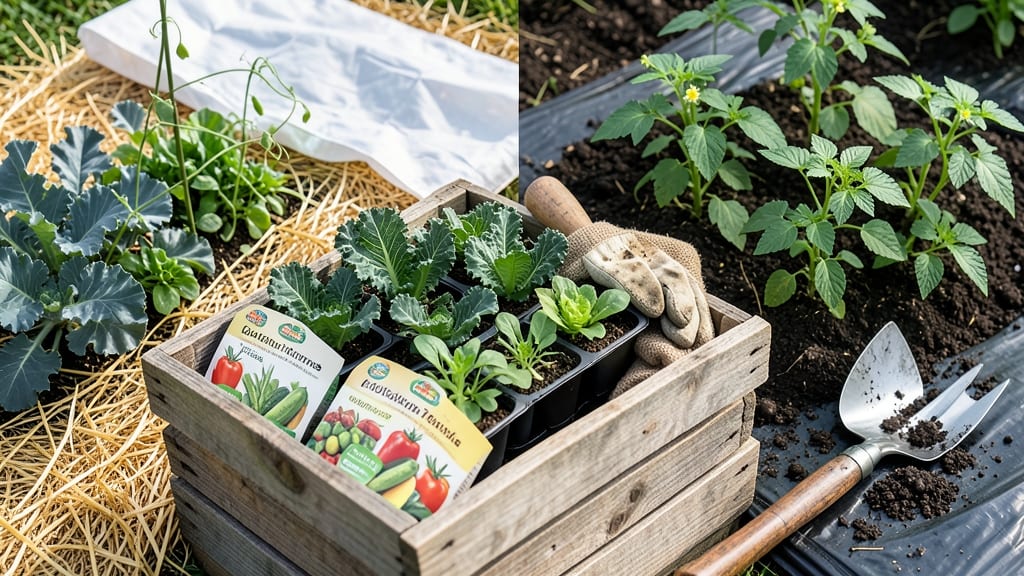
Planting a garden in Washington DC starts with knowing the exact timing for your neighborhood’s microclimate—because a two-week difference can mean the difference between a thriving harvest and a sad, wilted disappointment.
Washington DC’s diverse neighborhoods—from urban hotspots like Capitol Hill to suburban pockets like Arlington—create wildly different planting windows. Get your garden timing exactly right to avoid frost, pests, and wasted effort, or risk stunted growth and disappointment.
Here’s the truth: DC’s USDA Zones 7b and 8a mean you can start seeds indoors as early as February, but transplanting outdoors depends on whether you’re in a concrete jungle or a cooler suburb.
A wrong move could leave your tomatoes struggling in the heat or your spinach bolting too soon.
In this guide, I’ll break down the month-by-month schedule for cool-season crops like kale and warm-season favorites like peppers, plus neighborhood-specific tweaks to beat DC’s urban heat islands. Ready to grow like a pro?
Washington DC planting calendar by last frost date (neighborhood breakdown)
Washington DC’s planting schedule isn’t one-size-fits-all. The last frost dates vary dramatically between neighborhoods due to urban heat islands, soil types, and elevation differences. For example, Capitol Hill averages a last frost on April 15, while Arlington’s suburbs see theirs two weeks earlier on April 1.
These microclimates mean your spinach or tomato timing could be off by weeks if you follow generic Zone 7b/8a guidelines.
DC straddles USDA Zones 7b and 8a, but urban areas like Navy Yard can feel like Zone 8b due to concrete heat retention. Meanwhile, Alexandria’s river-adjacent zones stay cooler, delaying spring starts.
I’ll break down exact planting windows for cool-season crops (like kale and peas) versus warm-season plants (such as tomatoes and peppers), so you can align your garden with your neighborhood’s unique rhythm.
Pro Tip: Use row covers in early spring for urban areas like Capitol Hill to extend your growing season by 3-4 weeks. For suburban spots like Arlington, start warm-season crops as early as April 15—but wait until May 1 in hotter zones like Navy Yard to avoid transplant shock.
For cool-season crops like spinach and kale, I recommend starting seeds 4-6 weeks before your last frost date. In Capitol Hill, that means mid-February under covers, while Alexandria gardeners can begin as early as late January.
These crops thrive in 40-60°F soil, so wait until the ground warms to 50°F for direct sowing—usually mid-March in most DC areas.
Warm-season plants (tomatoes, peppers, eggplants) need soil temperatures above 60°F to germinate. In Arlington, you can plant transplants on April 15, but Capitol Hill and Navy Yard should wait until May 1 to avoid blossom-end rot from cool nights.
If you’re growing peppers, hold off until mid-May—they’re the most sensitive to frost.
Urban heat islands like Capitol Hill and Navy Yard can push first frost dates back by 1-2 weeks, giving you extra time for fall planting. In these areas, broccoli and cabbage can often survive until November 15 if you use row covers. Meanwhile, Arlington’s cooler microclimate may see frost by October 20, so plan accordingly.
Adjust your watering schedule based on your neighborhood’s heat. Capitol Hill gardens may need daily watering in July, while Alexandria’s river breezes can stretch watering to every other day.
Always water deeply in the morning to prevent fungal diseases like powdery mildew, which thrives in DC’s humid summers.
How DC’s urban heat islands affect your planting schedule (and how to adapt)
Living in Capitol Hill means your garden faces a 2-week delay in spring compared to Arlington’s suburbs. The urban heat island effect—where concrete and asphalt trap heat—can push last frost dates from mid-April in cooler areas to late April or early May in city centers.
This shift forces gardeners to adjust planting timelines or risk stunted growth from unexpected late frosts.
For example, while Arlington gardeners might start tomato seeds indoors in early March, Capitol Hill residents should wait until mid-March to avoid frost damage.
Even cool-season crops like lettuce or spinach may bolt prematurely in hotter microclimates, forcing you to choose heat-tolerant varieties or extend your fall harvests with season extenders.
⚠️ Warning: Heat Islands Trick Your Plants!
Your Capitol Hill garden can feel 5–10°F warmer than nearby Arlington at night, delaying frost and confusing plant growth cycles. Action: Use a soil thermometer—plant when soil hits 60°F (not air temp). For warm-season crops, wait until May 15 in city centers vs. May 1 in suburbs.
To adapt, I’ve learned to mulch heavily with straw or wood chips to insulate roots and retain moisture. A 2–3 inch layer can reduce soil temps by 5–10°F, mimicking cooler suburban conditions.
Pair this with drip irrigation in the morning to avoid evaporation, and you’ll create a microclimate that buys you 2–3 extra weeks of growing season.
For heat-sensitive plants like basil or cucumbers, I use shade cloth (30–50%) during peak summer afternoons. This isn’t just about comfort—it’s about survival. In July and August, when DC’s pavement can hit 120°F, shade cloth prevents bolting and leaf scorch.
I’ve seen tomatoes set fruit 30% more reliably under partial shade in my Navy Yard balcony garden.
Crop rotation is another game-changer. In hot microclimates, I prioritize fast-maturing varieties like bush beans or radishes in early spring, then switch to heat-tolerant crops like okra or sweet potatoes by June.
This keeps my soil productive year-round and avoids the nutrient depletion that comes from planting the same crops repeatedly in compact urban soil.
Finally, embrace container gardening for balconies or rooftops. Pots heat up faster than in-ground beds, but they also let you move plants to shadier spots when temps rise. I keep my herbs in movable containers and shift them to east-facing windows in July to escape the afternoon sun.
This flexibility is key in DC’s unpredictable microclimates.