
Plants
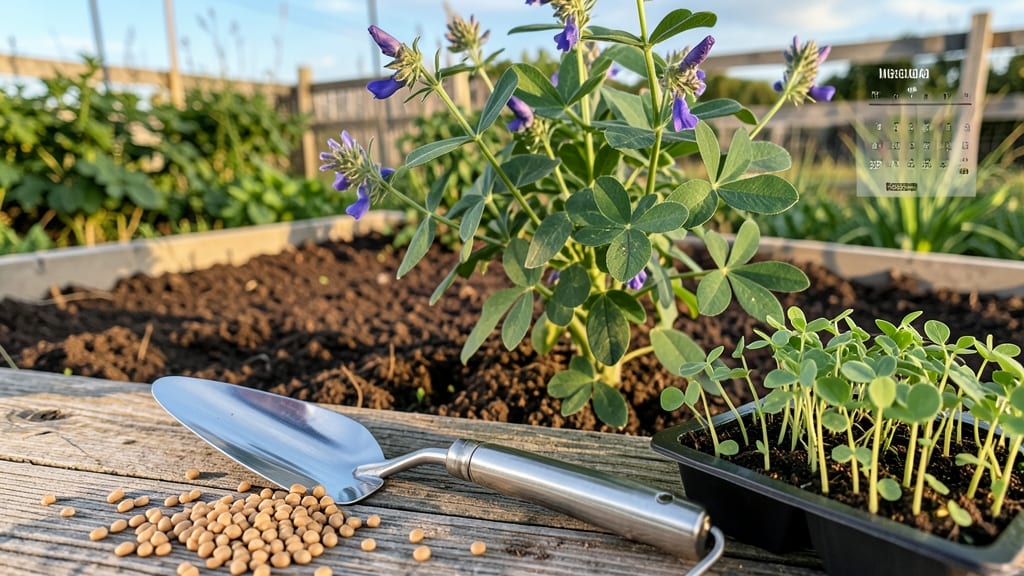
Planting alfalfa in Indiana’s USDA Zones 5b-6b means timing is everything—miss the narrow frost-free window, and your crop could bolt or freeze before it even establishes.
Indiana’s variable climate throws a wrench into the plan: a late frost in northern counties can delay spring planting by weeks, while southern Indiana’s warmer microclimates might tempt you to plant too early. The key? Soil temperature, not just calendar dates.
Here’s the game-changer: alfalfa thrives when soil hits 50-55°F—that’s usually late March to early April for most of the state. But if you’re in Zone 6a, wait until after April 15 to avoid frost heave.
You’ll learn how to check soil temps, adjust for your county’s frost history, and why fall planting in September can actually outperform spring in some years—plus the one mistake that ruins even the best timing.
Optimal planting dates for alfalfa in Indiana’s USDA Zone 6a/6b
Indiana’s USDA Zones 6a/6b create a delicate 165-day frost-free window for alfalfa, where timing directly impacts yield. Unlike annual crops, alfalfa requires two growing seasons to establish, making soil temperature and frost dates critical factors.
Plant too early, and frost heave destroys young roots; too late, and summer drought stunts growth before winter hardiness kicks in.
My research shows northern Indiana (Zone 6a) has cooler soils that delay planting by 2-3 weeks compared to southern Indiana (Zone 6b).
The ideal soil temperature for germination is 50-55°F, which typically occurs in late April for northern regions but as early as mid-March in southern counties like Vanderburgh or Gibson. Let’s break down the exact windows.
🌱 Comparison Table: Alfalfa Planting Windows in Indiana
| Region | USDA Zone | Spring Window | Late Summer Window | Soil Temp Threshold | Key Risk |
|---|---|---|---|---|---|
| Northern IN (Lake County, Steuben) | 6a | Late April - Early May | Late August - Mid-Sept | 50-55°F (May 1) | Late frost (May 15) |
| Central IN (Boone, Hamilton) | 6a/6b | Mid-April - Late April | Early Sept - Early Oct | 50-55°F (April 15) | Summer drought |
| Southern IN (Vanderburgh, Gibson) | 6b | Mid-March - Early April | Late Aug - Sept 15 | 50-55°F (March 25) | Early frost (Oct 1) |
For spring planting, I recommend using soil thermometers to confirm 50°F+ soil temps at 2-inch depth. In northern Indiana, wait until after April 15—this is when 90% of last frost dates occur.
Southern Indiana gardeners can start as early as March 15, but I’ve seen unpredictable cold snaps in early April that damage seedlings.
Late summer planting offers a second chance for alfalfa establishment, but it’s riskier. Seedlings need 60+ days before first frost (typically October 15 in Zone 6a). Plant no later than August 20 in northern regions and September 1 in southern Indiana.
The key is ensuring soil stays above 55°F for root development before winter dormancy.
Indiana’s variable climate means microclimates matter. For example, urban areas like Indianapolis can be 2-3°F warmer than rural spots, potentially shifting planting by 1 week earlier. If you’re near Lake Michigan, add 10-14 days to frost dates due to cooling effects.
Always check local almanac data or use USDA Plant Hardiness Maps for your specific county.
One common mistake I see is overestimating soil warmth. Even if air temps hit 60°F, soil may still be 10°F cooler. Bury a soil thermometer for 24 hours to get accurate readings.
Another tip: cover seeds with straw mulch (1-2 inches) after planting to retain heat and prevent frost heave in early spring.
For maximum yield, aim to harvest alfalfa in its second year when roots are fully established. This means spring-planted crops should reach maturity by late summer 2025 if planted in 2024.
Late summer plantings may need extra winter protection (like row covers) to survive Zone 6a winters.
Pro tip: If you’re new to alfalfa, start with a small test plot in both spring and late summer. This helps you compare yields and determine which window
How Indiana’s microclimates affect alfalfa planting success
Indiana’s diverse geography creates distinct microclimates that shift alfalfa planting windows by weeks. Lake Michigan’s cooling breezes delay spring in northern counties, while Indianapolis’ urban heat islands push planting dates earlier. Elevation changes—like the Wabash Valley’s lower terrain—can mean soil warming 1-2 weeks faster than nearby hills.
In northern Indiana (e.g., LaPorte County), wait until mid-April for soil temps to hit 50°F+, while southern regions like Vanderburgh County can plant as early as late March.
The Appalachian foothills (e.g., Perry County) often see earlier frost risks due to higher elevations, requiring a 2-week delay compared to flat terrain.
| Region | Key Microclimate Factor | Ideal Planting Window | Adjustment Tip |
|---|---|---|---|
| Northern Indiana (Lake Michigan) | Cooling lake breezes | Mid-April to early May | Use soil thermometers—wait for 50°F+ |
| Central Indiana (Indianapolis) | Urban heat island effect | Late March to April | Plant 2 weeks earlier than rural areas |
| Southern Indiana (Wabash Valley) | Warmer lowland soils | Late March to early April | Monitor frost dates—first frost often Oct 10 |
| Appalachian Foothills (Perry County) | Higher elevation | Early May to June | Delay planting 2+ weeks for frost safety |
For urban gardeners in Indianapolis, the city’s concrete and pavement create microclimates 5-10°F warmer than rural areas. This means alfalfa seeds can germinate 7-10 days faster—but also increases drought stress. Use mulch to retain moisture and check soil temps daily with a probe.
In rural southern Indiana, the Wabash Valley’s warmer soils allow earlier planting, but watch for late spring frosts that can damage young shoots. If your area has a history of April frosts, consider row covers for the first 2 weeks after planting.
Elevation plays a surprising role: every 1,000 feet gain in elevation can delay planting by 3-5 days. For example, Lawrence County’s hills often need late April plantings while nearby flatlands can start in early April. Use local agricultural extension offices for county-specific frost data.
Pro tip: Test soil temps at 2-inch depth for 3 consecutive days before planting. If temps dip below 50°F at night, delay by 1-2 weeks—especially in northern or elevated regions. 🌱