
Plants
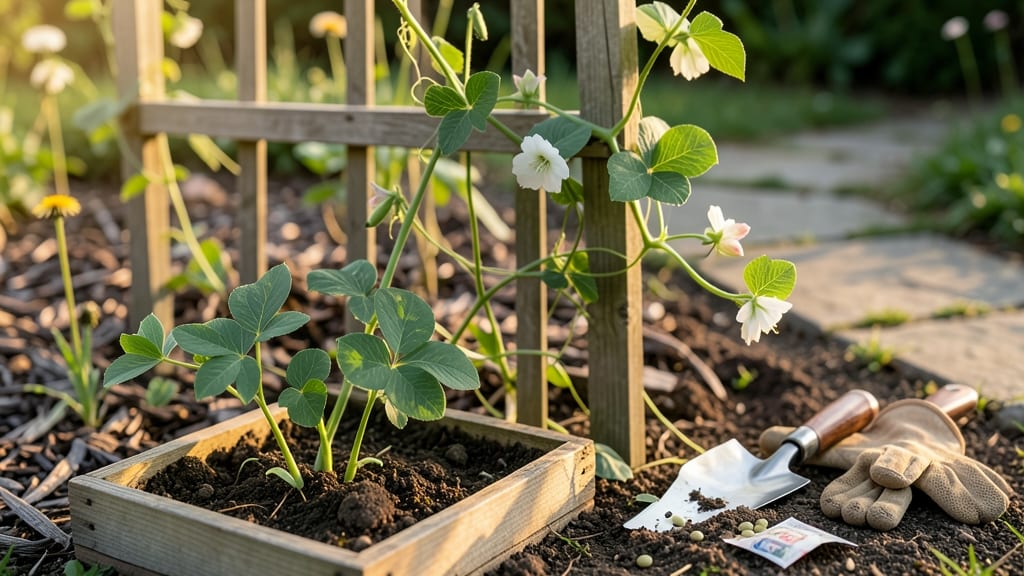
Planting peas in Connecticut at the right time ensures a bountiful harvest before summer heat sets in — aim for 4-6 weeks before your last frost, typically late March to early April.
Timing your pea planting in Connecticut can mean the difference between a thriving garden and a frost-killed crop—so knowing the exact frost-free window for Zones 6b-7a is critical for success.
Peas 🌱 are cool-season champions, thriving when soil temperatures hover between 40°F and 75°F. Plant too early, and a late frost will wipe them out; too late, and the heat arrives before pods mature. The key is balancing these factors with your local microclimate.
In this guide, you’ll learn the precise planting windows for Connecticut’s diverse regions, how to extend your growing season with cold-hardy varieties, and the best practices to avoid common mistakes that sabotage yields.
Optimal pea planting dates in Connecticut’s Zones 6b-7a
Connecticut’s diverse microclimates—from coastal Zone 6b to inland Zone 7a—create unique frost-free windows for growing peas (Pisum sativum). Timing your planting 4-6 weeks before the last spring frost or 8-10 weeks before the first fall frost maximizes your harvest.
Coastal areas like New London often enjoy 10-14 days earlier planting than inland Hartford or Litchfield.
Peas thrive in cool temperatures (40-75°F), making them ideal for Connecticut’s early spring or late summer planting. The average last frost date for most of CT falls between April 15-30, while the first frost arrives around October 15.
Adjust these dates by 1-2 weeks based on your specific microclimate and elevation.
Spring planting should begin as early as late February to early March for cold-hardy varieties, while fall planting can extend until mid-September. Inland areas may need to wait until mid-April for spring planting due to later frost risks. Coastal gardeners can push planting 2-3 weeks earlier thanks to milder temperatures near the Long Island Sound.
Soil temperature is just as critical as air temperature. Peas germinate best in 40-75°F soil. Use a soil thermometer to confirm readiness—if soil is below 40°F, wait 1-2 weeks or use row covers to warm the soil faster. In Zone 7a, this often means planting by March 15 for spring crops.
| Planting Window | Zone 6b (Coastal) | Zone 6b (Inland) | Zone 7a (Inland) |
|---|---|---|---|
| Spring Planting | Late Feb - Early Apr | Mid-Mar - Mid-Apr | Early Mar - Late Mar |
| Last Frost Date | Apr 15-22 | Apr 22-30 | Apr 15-22 |
| Fall Planting | Mid-Aug - Early Sep | Late Aug - Mid-Sep | Early Aug - Late Aug |
| First Frost Date | Oct 15-22 | Oct 15-22 | Oct 15-22 |
| Harvest Window | May 15 - Jun 15 | May 20 - Jun 20 | May 1 - Jun 10 |
For Zone 6b coastal areas, like Groton or Stonington, start peas as early as late February under row covers or in a cold frame.
These areas benefit from warmer ocean breezes that delay frost. Inland Zone 6b (e.g., Waterbury) should wait until mid-March to avoid frost damage.
In Zone 7a, which includes Danbury and Torrington, you can plant 2-3 weeks earlier than Zone 6b. However, soil temperature remains the limiting factor. If soil is below 45°F, peas will germinate poorly. Use black plastic mulch to warm the soil 5-10°F faster if needed.
Adjust your planting schedule based on elevation. Higher elevations (e.g., Litchfield Hills) may experience later frosts by 1-2 weeks compared to valley areas. Monitor local Almanac frost dates and supplement with a home weather station for real-time data.
If you miss the spring planting window, don’t despair—peas also thrive in fall. Plant 8-10 weeks before
How to extend your pea growing season in Connecticut
Connecticut’s unpredictable spring frosts and early summer heat can make pea growing a challenge—but with the right strategies, you can extend your harvest window by weeks. Cold-hardy varieties and protective coverings let you plant earlier in spring and harvest later into fall, even when temperatures dip.
The key is combining resistant varieties with simple, effective protection techniques that work in Zones 6b-7a.
Peas thrive in cool weather, but a single unexpected frost can wipe out tender seedlings. By using frost blankets or row covers, you can push planting dates back by 4-6 weeks in early spring or harvest into October before the first frost.
Companion planting also adds an extra layer of protection, deterring pests while improving soil health. Let’s explore the most effective methods to maximize your pea yield in Connecticut’s climate.
- 1. Use frost blankets for 2-3 weeks after planting to protect seedlings from late frosts (down to 20°F).
- 2. Choose early-maturing varieties like Lincoln or Sugar Snap, which mature in 55-60 days.
- 3. Apply row covers in late summer for fall planting to shield peas from early frosts.
- 4. Plant near radishes or onions to deter pests and improve growth.
- 5. Succession plant every 2 weeks in spring for a continuous harvest.
For spring planting, start with cold-hardy varieties like Wando or Oregon Sugar Pod, which tolerate temperatures as low as 25°F. These varieties are perfect for early March sowing under frost blankets. Remove the covers when soil warms to 50°F to encourage faster growth.
If you’re planting in late summer for fall harvests, opt for dwarf varieties like Little Marvel, which mature quickly and handle cooler temperatures better.
Row covers are a game-changer for fall planting. Install them over peas planted in mid-August to protect against early frosts. These lightweight fabrics allow sunlight and water to pass through while blocking 28°F temperatures.
Pair them with sturdy stakes to prevent collapse from snow or heavy rain. With this setup, you can harvest peas well into October, extending your season by 3-4 weeks.
Don’t overlook the power of companion planting. Peas pair beautifully with carrots, radishes, and cucumbers, which deter common pests like aphids and pea moths. Plant radishes near peas to repel pea weevils naturally.
This not only protects your crop but also improves soil nitrogen through peas’ natural nitrogen-fixing abilities. For best results, rotate companion plants each season to prevent soil depletion.
Finally, succession planting ensures a steady supply of fresh peas. Sow seeds every 2 weeks from March through May, spacing them 1-2 inches apart in rows 18 inches apart.
This staggered approach guarantees a continuous harvest and reduces the risk of losing your entire crop to a single frost event. With these techniques, you’ll enjoy homegrown peas for nearly half the year—a Connecticut gardener’s dream!