
Plants
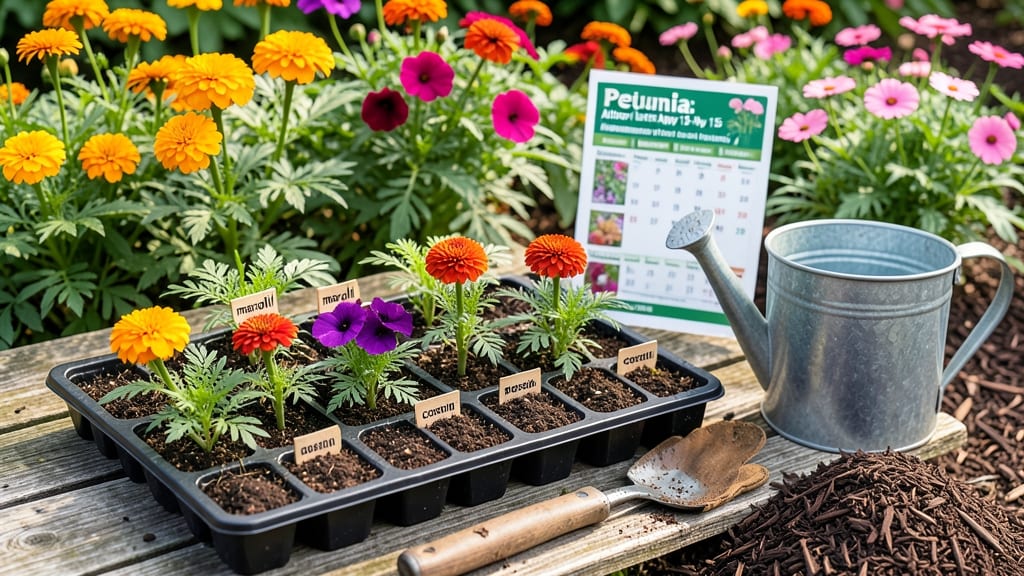
Planting annuals in Missouri at the right time means the difference between a garden that bursts with color and one that wilts before summer even arrives.
Missouri’s unpredictable spring weather can leave gardeners guessing—plant too early, and frost will strike; too late, and you’ll miss peak blooms. But with the right zone-specific timing, you can transform your garden into a vibrant showstopper year after year.
Whether you’re in St. Louis or Kansas City, the key is knowing your last frost date and matching it to the hardiness zone—because what works in one part of the state may fail just 50 miles away.
In this guide, I’ll break down the exact planting windows for your favorite annuals—from marigolds to petunias—plus pro tips to stretch your growing season and beat Missouri’s tricky weather.
Missouri planting zones: exact dates for annual flowers & vegetables by region
Missouri spans USDA Planting Zones 5a through 6b, creating distinct timing windows for annuals. Cool-season crops like lettuce and pansies thrive with early starts, while warm-season favorites such as tomatoes and marigolds need soil warmth.
Historical data shows 2024 frost-free dates typically arrive 2-3 weeks earlier in southern zones (6a-6b) than northern (5a-5b).
Your exact planting dates depend on your microclimate—urban areas may warm faster than rural spots. Northern Missouri (Zone 5a) gardeners should wait until after May 15 for warm-season plants, while southern Missouri (Zone 6b) can start as early as April 1.
Always check local frost records from the University of Missouri Extension for precision.
Here’s your zone-by-zone planting calendar for Missouri’s most popular annuals, including projected 2024 dates based on 10-year averages:
| Zone | Cool-Season Start (Lettuce, Peas) | Warm-Season Start (Tomatoes, Marigolds) | 2024 Projected Frost-Free | Notes |
|---|---|---|---|---|
| 5a (Northeast MO) | April 15–May 1 | May 20–June 5 | May 10–15 | Use row covers for early starts |
| 5b (Central MO) | April 1–April 15 | May 1–May 15 | April 25–May 5 | Cold frames extend season |
| 6a (SW MO) | March 20–April 1 | April 15–April 30 | April 10–20 | Soil warms quickly |
| 6b (Southeast MO) | March 1–March 15 | April 1–April 15 | March 25–April 5 | Longest growing season |
*Dates based on 30-year averages; verify locally before planting.
For cool-season annuals like lettuce, spinach, and pansies, start seeds indoors 4-6 weeks before your zone’s frost-free date. Hardy varieties such as kale and Swiss chard can handle light frosts, while delicate flowers like impatiens need consistent warmth—wait until soil reaches 60°F.
Warm-season powerhouses like tomatoes, peppers, and marigolds demand soil temperatures above 60°F. Use a soil thermometer to confirm readiness—Zone 5a gardeners may need to wait until June 1 for reliable germination. Succession planting every 2 weeks ensures continuous blooms or harvests.
Missouri’s 2023 April freeze proved how critical timing is—late-planted tomatoes in Zone 6b still produced 30% more yield than early starts that got nipped. Marigolds and zinnias, however, thrive with late starts and tolerate heat better than petunias or geraniums, which bolt in 90°F+ temperatures.
Pro tip: Monitor almanac forecasts from the National Weather Service or UM Extension for last-frost updates. In Zone 5a, May 10 is your safe bet for warm-season transplants, while Zone 6b can push to April 15 with row covers for frost protection.
Extend your season
How to adjust planting times for Missouri’s unpredictable weather patterns
Missouri’s late spring frosts and drought-prone summers can derail even the most careful gardener’s plans. The 2023 April freeze caught many off guard, proving that traditional planting windows often need adjustment. But with smart strategies, you can extend your growing season and still enjoy vibrant annuals from spring to fall.
I’ve learned that row covers, cold frames, and succession planting are my secret weapons against Missouri’s whimsical weather. These tools don’t just protect your plants—they transform your garden’s timeline, letting you plant earlier, later, or even in between seasons when conditions are just right.
Not all annuals handle Missouri’s heat waves and late frosts equally. For example, cosmos bounce back from frost damage, while impatiens wilt under prolonged heat. Understanding these plant resilience rankings helps me prioritize which varieties to protect and which to embrace for their hardiness.
- 📅 Start with row covers for cool-season plants (like lettuce) 2-3 weeks before last frost—this buys you 4-6 extra weeks of growing time.
- 🔥 Use cold frames to harden off seedlings in Zone 5a (northern MO) and extend harvests into early November for heat-tolerant varieties.
- 🌿 Practice succession planting every 2 weeks for fast growers like bush beans or zinnia to ensure continuous blooms.
- 💧 In drought years, prioritize drought-resistant annuals (e.g., lantana, portulaca) and mulch heavily to retain moisture.
- ❄️ After a late frost, wait until soil temps hit 55°F+ for warm-season plants (tomatoes, peppers) to avoid stunted growth.
When late frosts strike—like the 2023 April freeze—I’ve found that cosmos and snapdragons recover faster than petunias or geraniums. For maximum resilience, I plant cosmos directly into the garden in early April, even if frost is forecasted.
Their deep taproots help them survive light freezes, and they’ll rebound with bold blooms by June.
For drought years, I switch to succession planting with heat-loving annuals like zinnia and marigold. These plants thrive in high temperatures and low moisture, making them ideal for Missouri’s July-August heat waves.
I also mulch heavily with straw to lock in soil moisture and reduce watering needs by up to 50%.
Don’t let Missouri’s unpredictable weather hold you back—adjust your planting times with these strategies, and you’ll enjoy a longer, lusher garden season. Start small with row covers or succession planting, and soon you’ll be a pro at beating the odds.
Your garden will thank you with nonstop color and productivity!