
Plants
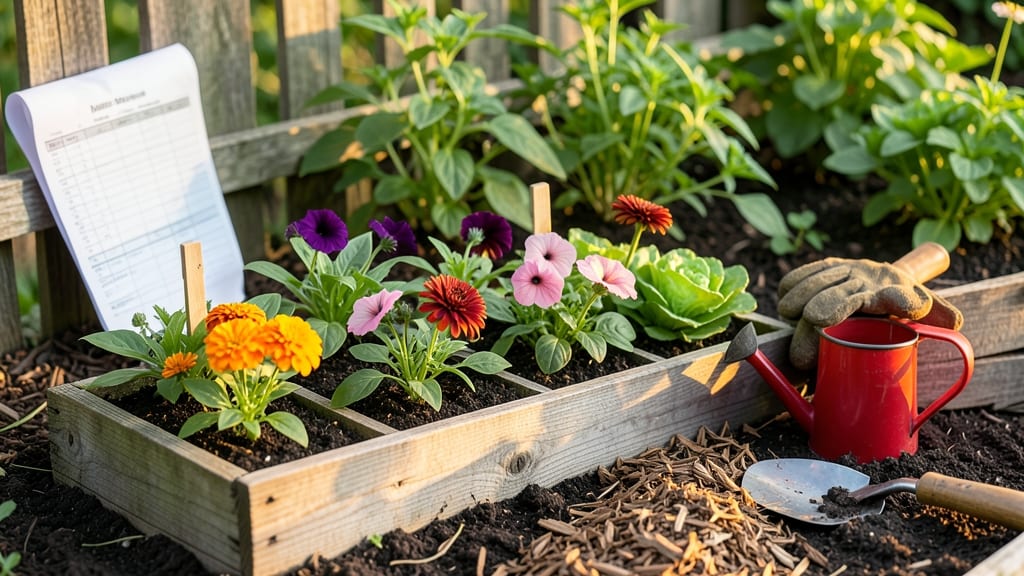
Planting annuals in Virginia at the right time means the difference between a garden bursting with color and one that never gets started — so let’s lock in those frost-free windows by USDA zone.
Miss the mark by even a week, and your 🌸 marigolds or tomatoes could end up as frost-damaged sad sacks. The good news? Virginia’s climate gives us two solid planting seasons, and knowing your zone’s last frost date is the key to timing everything perfectly.
Whether you’re in the cooler 6a hills or the warmer 8a coastal plains, the rules change — and so do the best annuals for your patch of dirt.
Below, I’ll break down the exact weeks to plant, which varieties thrive in your zone, and how to stretch your season for extra harvests.
You’ll leave here with a clear checklist: when to start seeds indoors, when to pop those transplants in the ground, and how to avoid the three biggest mistakes Virginia gardeners make every year.
Virginia frost dates by USDA Zone: when to plant annuals safely
Timing your annual flowers and vegetables perfectly in Virginia means the difference between a thriving garden and a sad, frost-bitten disappointment. The last spring frost and first fall frost dates vary dramatically across Virginia’s 7 USDA zones (5a-8a), so knowing your exact zone is critical.
For example, Zone 5a in the mountains may still see frost in May, while Zone 8a in Tidewater could plant warm-season crops as early as February.
To avoid guesswork, use the Virginia Frost Date Calculator from the Virginia Cooperative Extension (vce. virginia.edu). This tool provides precise dates for your county, accounting for microclimates.
For instance, Roanoke (Zone 7a) typically has its last frost around April 15, while Norfolk (Zone 8a) often sees frost-free conditions by March 1. These dates determine whether you can plant warm-season annuals like tomatoes or cool-season annuals like lettuce.
| USDA Zone | Last Spring Frost | First Fall Frost | Safe Planting Window |
|---|---|---|---|
| 5a (Mountains) | April 25 - May 10 | October 1 - October 15 | May 15 - September 15 |
| 6a (Piedmont) | April 10 - April 20 | October 15 - October 30 | April 25 - September 25 |
| 6b (Central VA) | April 1 - April 10 | October 20 - November 5 | April 15 - October 10 |
| 7a (Richmond) | March 25 - April 5 | November 1 - November 15 | April 10 - October 20 |
| 7b (Southside) | March 15 - March 25 | November 5 - November 20 | March 30 - October 30 |
| 8a (Tidewater) | February 20 - March 10 | November 20 - December 5 | March 15 - November 10 |
For cool-season annuals like kale, spinach, and pansies, plant them 4-6 weeks before your last frost date. In Zone 5a, this means sowing seeds indoors by March 15 or direct-sowing outdoors by April 1.
Meanwhile, warm-season annuals such as tomatoes, peppers, and marigolds need to wait until soil temperatures reach 60°F (15°C), typically 2 weeks after your last frost.
In Zone 8a, you can even plant warm-season crops like okra or sweet potatoes as early as February 15, but in Zone 5a, wait until May 15 to avoid frost damage.
Always check soil temperature with a soil thermometer—55°F (13°C) is the minimum for most warm-season annuals to germinate properly.
Fall planting follows the opposite rule: sow cool-season annuals 6-8 weeks before your first frost. In Zone 7a, this translates to August 15 for broccoli or cabbage, while Zone 8a gardeners can extend the season until October 1.
Use row covers to protect tender plants like basil or cosmos from unexpected late frosts, especially in transitional zones like Zone 6b.
Pro tip: Succession planting is your best friend in Virginia’s variable climate. For example, in Zone 7b, plant lettuce every 2 weeks from March 15 to August 15 to ensure a continuous harvest. This strategy works for radishes, bush beans, and zinnias too.
Always keep a planting journal to track what works best in your microclimate—Virginia’s diverse geography means your neighbor’s frost dates might not match yours!
If you’re unsure about your zone, enter your ZIP code into the USDA Plant Hardiness Zone Map (planthardiness.ars.usda.gov). For extra precision, consult your local Virginia Master Gardener program, which offers free soil tests and frost-date advice. Remember, over-planting before the last frost is a common mistake—always
Best annuals for Virginia’s climate: planting windows by type
Virginia’s diverse USDA zones (5a-8a) create unique planting opportunities for annuals. Whether you’re in cooler mountain regions or warmer coastal areas, timing is everything to avoid frost damage or stunted growth.
I’ve broken down the best annuals by type—flowers, vegetables, and herbs—with precise planting windows tailored to your zone.
For Zone 7b/8a (common in Richmond and Norfolk), heat-tolerant varieties like okra and sweet potatoes thrive when planted in late April to early May.
Meanwhile, Zones 5a/6a (like Roanoke) can start cool-season crops like lettuce and peas as early as mid-March, but must wait until late May for tomatoes and peppers.
Plant lettuce, spinach, and pansies 4-6 weeks before last frost (March-April). Soil temps should be 40-50°F (4-10°C).
Wait until soil reaches 60°F (15°C) (late April-early May) for tomatoes, peppers, and marigolds.
For Zone 7b/8a, choose ‘Heatmaster’ tomatoes or ‘Solar Fire’ zinnias—they handle 90°F+ (32°C+) better.
Sow kale, radishes, and cosmos 6-8 weeks before first frost (mid-October). These tolerate light frosts.
❌ Planting tomatoes too early (soil too cold = rot). ✅ Use row covers for 2-3 weeks after transplanting.
Herbs like basil and cilantro are finicky—basil needs consistent warmth (plant after last frost), while cilantro bolts in heat (sow in fall for Zone 7b/8a). For flowers, petunias and geraniums love heat but may need afternoon shade in Zone 8a to prevent wilting.
Pro tip: Use a soil thermometer to confirm temps before planting warm-season crops. If your soil is below 60°F (15°C), wait another week—root growth stalls in cold soil, leading to weak plants.
For Zone 5a/6a, extend your season with cold frames or row covers to plant cucumbers and beans 2 weeks earlier.
Remember, Virginia’s microclimates vary wildly—even within 20 miles. Check your local frost dates (e.g., Charlottesville’s last frost is April 15, while Blacksburg’s is May 1) and adjust accordingly. With these zone-specific windows, you’ll avoid the heartbreak of frost-nipped seedlings or wilting summer blooms.