
Flowers
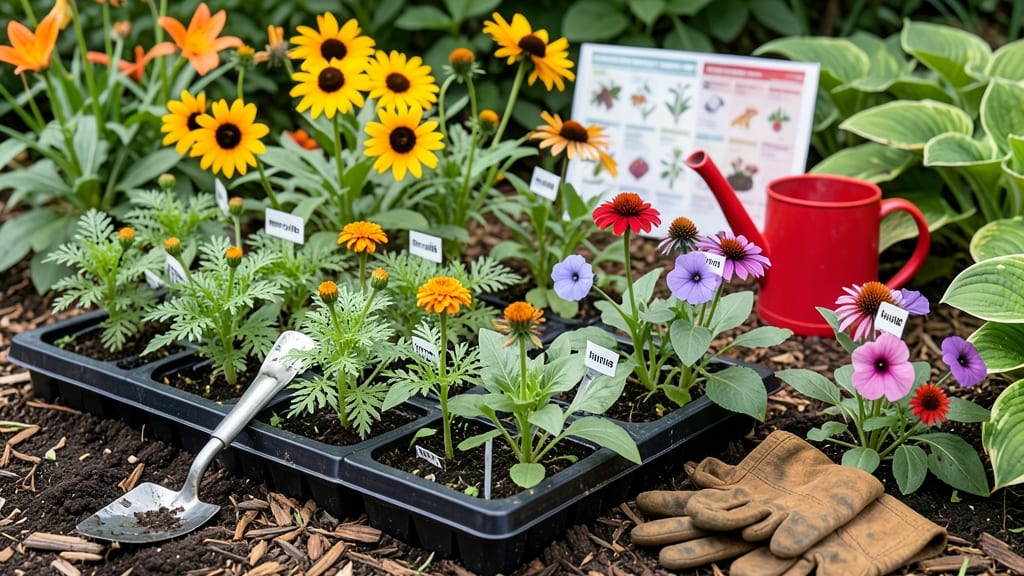
Planting flowers in Virginia at the right time means the difference between a garden bursting with color and one that struggles to take root.
If you’ve ever watched your 🌸 bright petunias wilt after a surprise frost or your snapdragons bolt in the heat, you know timing is everything.
Virginia’s USDA Zones 7a and 7b offer two distinct planting windows—cool-season blooms in early spring and warm-season favorites in late summer—but getting it wrong can leave your garden looking half-hearted.
This guide cuts through the guesswork with precise planting dates tailored to Virginia’s microclimates, from the Shenandoah Valley’s cooler springs to the Tidewater’s earlier last frosts.
Whether you’re sowing seeds, transplanting seedlings, or tucking in bulbs, we’ll show you how to align your schedule with nature’s calendar for vibrant, long-lasting blooms.
You’ll walk away with a downloadable planting calendar, pro tips for extending your season, and links to Virginia Cooperative Extension resources—so you can finally stop second-guessing and start planting with confidence.
Best flower planting months in Virginia by type (annuals vs perennials)
Virginia’s USDA Zones 7a and 7b offer a 180-210 frost-free days, creating two distinct planting seasons for flowers. Cool-season blooms thrive in early spring and fall, while warm-season varieties need soil temperatures above 60°F to flourish. Getting the timing right ensures vibrant blooms and avoids frost damage.
Annuals like marigolds and zinnias give you season-long color but must be planted at the right temperature window. Perennials, such as coneflowers and black-eyed Susans, establish roots one year for multi-year blooms. Let’s break down the best months for each type to maximize your Virginia garden’s potential.
| Flower Type | Best Planting Months | Soil Temp Requirement | Key Notes for Virginia |
|---|---|---|---|
| Cool-Season Annuals | February–March, September–October | 45–60°F | Plant 6 weeks before last frost (avg. March 15) for spring blooms. Fall planting ensures early fall color before frost. |
| Warm-Season Annuals | April–May (after last frost) | 60–70°F | Wait until soil warms (test with a soil thermometer). Start seeds indoors in March for earlier blooms. |
| Spring-Blooming Perennials | September–October (or March) | 50–60°F | Fall planting gives roots time to establish. Spring planting works but may delay first-year blooms. |
| Summer-Blooming Perennials | April–May (after frost) | 55–65°F | Divide overcrowded perennials in early spring for healthier growth. Mulch to retain moisture and warmth. |
| Bulbs (Tulips, Daffodils) | October–November | 50–60°F | Plant 6 weeks before ground freezes (avg. November 1). Spring-blooming bulbs need winter chill to flower. |
For cool-season annuals, think pansies, snapdragons, and sweet alyssum. These hardy flowers tolerate light frosts and even snow, making them perfect for early spring and fall gardens. Start seeds indoors in February or sow directly in March for April blooms.
Warm-season annuals like marigolds, zinnias, and sunflowers need consistent warmth to thrive. Wait until after the last frost (typically mid-April) and ensure soil temperatures are above 60°F. A soil thermometer helps avoid planting too early.
Perennials are Virginia gardeners’ workhorses, offering low-maintenance beauty year after year. Spring-bloomers like bleeding hearts and peonies should be planted in fall for strong root establishment. Summer perennials such as coneflowers and black-eyed Susans can go in spring once the soil warms.
Bulbs like tulips and daffodils need cool fall soil to trigger blooming. Plant them 6 weeks before freezing (usually October–November) for spring surprises. In Virginia’s Zone 7a, this timing ensures bulbs survive winter and bloom vibrantly.
Extend your flower season by planting succession crops. For example, sow zinnias every 2 weeks in spring for continuous blooms until frost. Use row covers in early spring or late fall to protect tender plants from light frosts.
Always check local frost dates—they vary by region. For instance, Roanoke’s last frost often comes 2 weeks earlier than Richmond’s. Adjust your schedule accordingly to avoid frost damage and maximize blooms.
Pro tip: Use mulch after planting to retain moisture and regulate soil temperature. This is especially helpful for warm-season annuals in early spring when nights are still chilly.
With these Virginia-specific planting windows, your garden will burst with color from spring to fall. Happy planting! 🌸
Virginia’s frost dates and how they affect flower planting timing
Understanding Virginia’s frost dates is the key to successful flower gardening. The last spring frost and first fall frost determine when you can safely plant tender flowers without risking damage.
In USDA Zone 7a/7b, these dates vary by region, but knowing them helps you plan for spring-blooming annuals and fall perennials.
For example, Richmond typically sees its last frost around March 15, while Roanoke may wait until April 1. Meanwhile, Charlottesville often aligns with Richmond but can experience earlier frosts in sheltered valleys.
These variations mean your planting schedule should account for local microclimates to avoid frost damage to delicate seedlings.
| Region | Last Frost Date | First Frost Date | Best Planting Window | Frost-Free Days |
|---|---|---|---|---|
| Richmond | Mid-March (Mar 15) | Mid-November (Nov 15) | Feb 15 - Apr 15 | 180-200 days |
| Charlottesville | Mid-March (Mar 15) | Late October (Oct 30) | Feb 20 - Apr 20 | 190-210 days |
| Roanoke | Early April (Apr 1) | Early November (Nov 1) | Mar 1 - Apr 30 | 170-190 days |
Adjust your flower planting schedule based on these dates.
For cool-season flowers like pansies or snapdragons, you can start seeds indoors in February and transplant after the last frost. Warm-season flowers, such as marigolds or zinnias, should wait until soil temperatures reach 60°F, usually in late April or May.
Fall planting is equally important. Many perennials and bulbs benefit from being planted in late summer or early fall. For instance, tulips and daffodils should go into the ground by October to establish roots before winter.
In Richmond or Charlottesville, aim for September 15-October 15, while Roanoke gardeners may extend this window slightly later.
Use row covers or cold frames to extend your growing season. These tools protect tender flowers from unexpected late frosts, allowing you to plant 2-4 weeks earlier in spring or 2-3 weeks later in fall.
For example, petunias or geraniums can often survive a light frost when covered, giving you more time to enjoy their blooms.
Monitor local forecasts and adjust as needed. A few degrees can make the difference between thriving plants and frost-damaged blooms. By aligning your planting with Virginia’s frost dates, you’ll maximize your garden’s potential and enjoy vibrant flowers from spring through fall.